
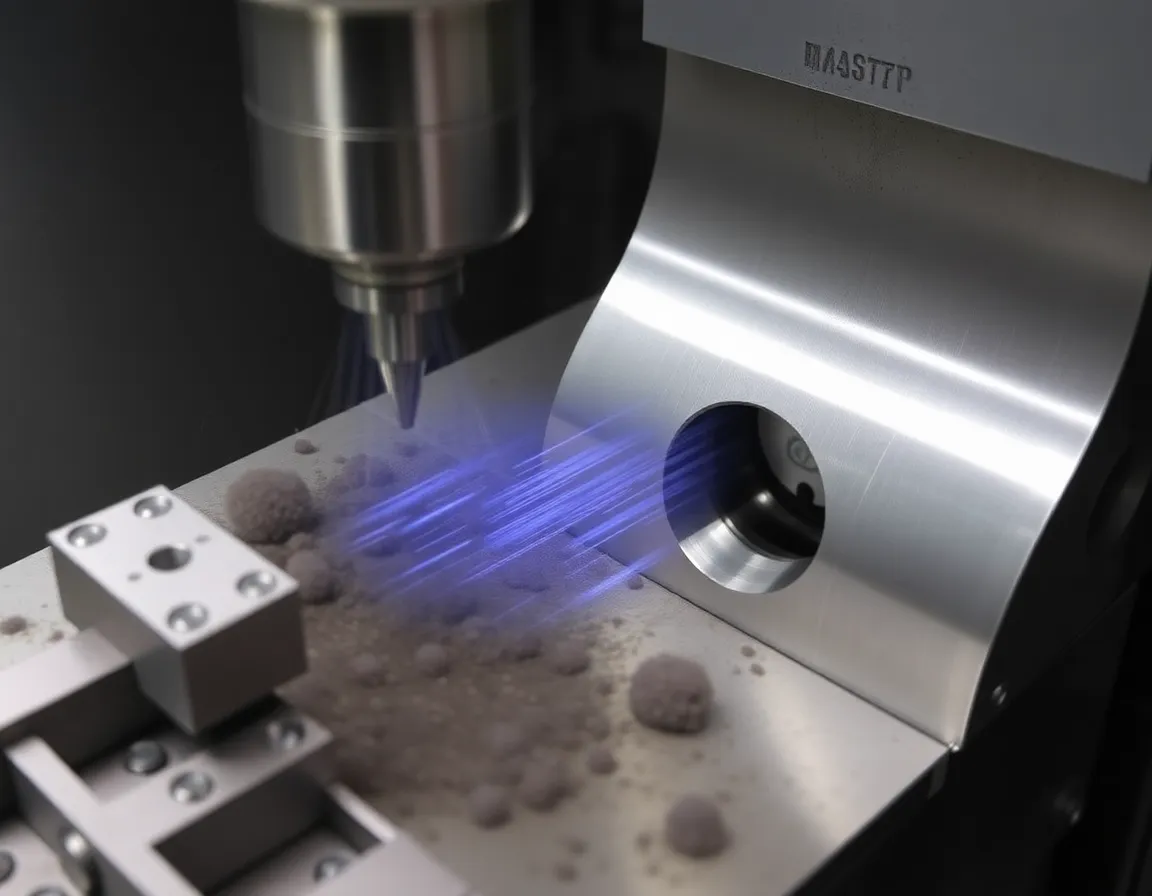
Introduction: The Unyielding Workhorse of Industry
In the world of manufacturing, where precision, durability, and performance are non-negotiable, tool steel stands as a cornerstone material. Unlike standard steels, tool steels are engineered for a singular, critical purpose: to cut, shape, and form other materials. Machining tool steel, however, is a discipline unto itself. Its very properties—exceptional hardness, wear resistance, and strength—that make it perfect for tools also present significant challenges in the machining process. Mastering the machining of tool steel is therefore not just a skill but a competitive advantage, enabling the production of superior molds, dies, cutting tools, and fixtures that drive modern industry.
Understanding the Nature of Tool Steel
Before diving into machining strategies, it's crucial to understand what sets tool steel apart. Tool steels are high-carbon, alloy steels that gain their defining characteristics through precise heat treatment. They are categorized into several types (A, D, H, M, S, etc.) based on their application, hardening method, and alloying elements like tungsten, molybdenum, chromium, and vanadium.
Key Characteristics That Impact Machining
The very benefits of tool steel are the source of machining difficulty:
- High Hardness & Strength: Tool steels resist deformation, putting immense stress on cutting tools.
- Abrasive Wear Resistance: The hard carbides within the matrix rapidly wear down cutting edges.
- Low Thermal Conductivity: Heat generated during cutting doesn't dissipate quickly, concentrating at the tool-workpiece interface and risking thermal damage to both.
- Dimensional Instability: Improper handling or excessive heat can cause warping or distortion, especially after heat treatment.
Pre-Machining: The Foundation of Success
Success in tool steel machining begins long before the first cut. Proper planning and preparation are paramount.
Material Selection and State
Tool steel is often supplied in an annealed (softened) state, which is the ideal condition for machining. Attempting to machine fully hardened tool steel is possible but requires specialized tools and techniques (like grinding or EDM) and should be avoided for complex geometries. The rule of thumb is: machine as much as possible in the annealed state, leaving only minimal stock for finishing after heat treatment.
Secure and Rigid Workholding
Any vibration or movement is the enemy of machining hard materials. Use vises, clamps, or fixtures that provide maximum rigidity. Ensure the workpiece is fully supported to prevent deflection under cutting forces. A chattering cut will lead to poor surface finish and accelerated tool failure.
Machining Strategies and Best Practices
This is the core of mastering tool steel. Adhering to these principles will dramatically improve results, tool life, and dimensional accuracy.
Tooling Selection: The Cutting Edge
Using the wrong tool is the fastest path to failure. For tool steel, the choice is critical:
- Carbide Inserts: The default choice for most operations. Use micro-grain or sub-micro-grain carbide grades (e.g., C2/C3 classification) for their excellent wear resistance and toughness. Coatings like TiAlN (Aluminum Titanium Nitride) or AlCrN (Aluminum Chromium Nitride) are highly recommended as they provide a thermal barrier, reduce friction, and enhance lubricity.
- High-Speed Steel (HSS): Can be used for simpler operations on annealed tool steels or for specialized tool forms, but expect significantly lower cutting speeds compared to carbide.
- Geometry: Select inserts with a positive rake angle to reduce cutting forces and heat generation. A strong, honed edge preparation helps prevent chipping on entry. Ensure tools are sharp; a dull tool generates exponentially more heat.
The Golden Rules of Cutting Parameters
Balancing speed, feed, and depth of cut is an art. For tool steel, err on the side of caution with speed and aggression with feed.
- Speed (SFM - Surface Feet per Minute): Start conservative. For annealed tool steel with coated carbide, speeds between 150-350 SFM are a common starting point. Harder conditions demand slower speeds. The goal is to avoid generating excessive heat.
- Feed Rate (IPR - Inches per Revolution): Use a consistent and adequate feed rate. Too light of a feed allows the tool to rub instead of cut, creating heat and work-hardening the surface. A firm, deliberate cut is better.
- Depth of Cut: Take depths of cut that are large enough to engage the cutting edge below any work-hardened surface, but within the power and rigidity limits of your machine. It's often more efficient to take fewer, deeper passes than many light, skimming passes.
Heat Management: Your Constant Battle
Controlling heat is the single most important factor in successful tool steel machining.
Use Copious, Targeted Coolant: A high-pressure flood coolant system is ideal. It cools the cutting zone, lubricates to reduce friction, and flushes chips away. For operations where flood coolant isn't possible, use a high-quality, sulfur-based cutting oil or a powerful mist system.
Engage the Chipbreaker: Modern insert geometries are designed to curl and break chips efficiently. A well-formed chip carries away the majority of the heat generated in the cut. Long, stringy chips are a sign of incorrect parameters and are dangerous and inefficient.
Post-Machining and Heat Treatment Considerations
The journey doesn't end when the machining cycle finishes. Proper handling after machining ensures the final part meets specifications.
Stress Relieving
For complex or high-precision parts, a stress-relief anneal before final hardening can be beneficial. This process involves heating the machined part to a sub-critical temperature (e.g., 1200-1300°F for many grades) and holding, then slowly cooling. This relieves internal stresses induced during rough machining, minimizing distortion during the final, full hardening process.
Finishing After Hardening
As mentioned, the final hardening process (quenching and tempering) will cause dimensional changes. Always leave a small, uniform stock allowance (typically 0.005-0.020 inches per side, depending on part size and geometry) for a final finishing operation. This is often done with grinding, electrical discharge machining (EDM), or hard turning/milling with specialized CBN (Cubic Boron Nitride) or PCD (Polycrystalline Diamond) tooling.
Conclusion: The Path to Mastery
Mastering tool steel machining is a synthesis of knowledge, preparation, and disciplined execution. It demands respect for the material's properties and a meticulous approach to every stage of the process—from selecting the right stock and securing it rigidly, to choosing premium tooling and dialing in conservative yet effective cutting parameters, all while waging a constant war on heat. By viewing the process holistically and adhering to these proven tips, machinists and manufacturers can consistently transform these unyielding alloys into the precise, durable, and high-performance tools that form the backbone of advanced manufacturing. The reward is not just a successfully machined part, but a tool that will, in turn, produce thousands of components with unwavering reliability.