
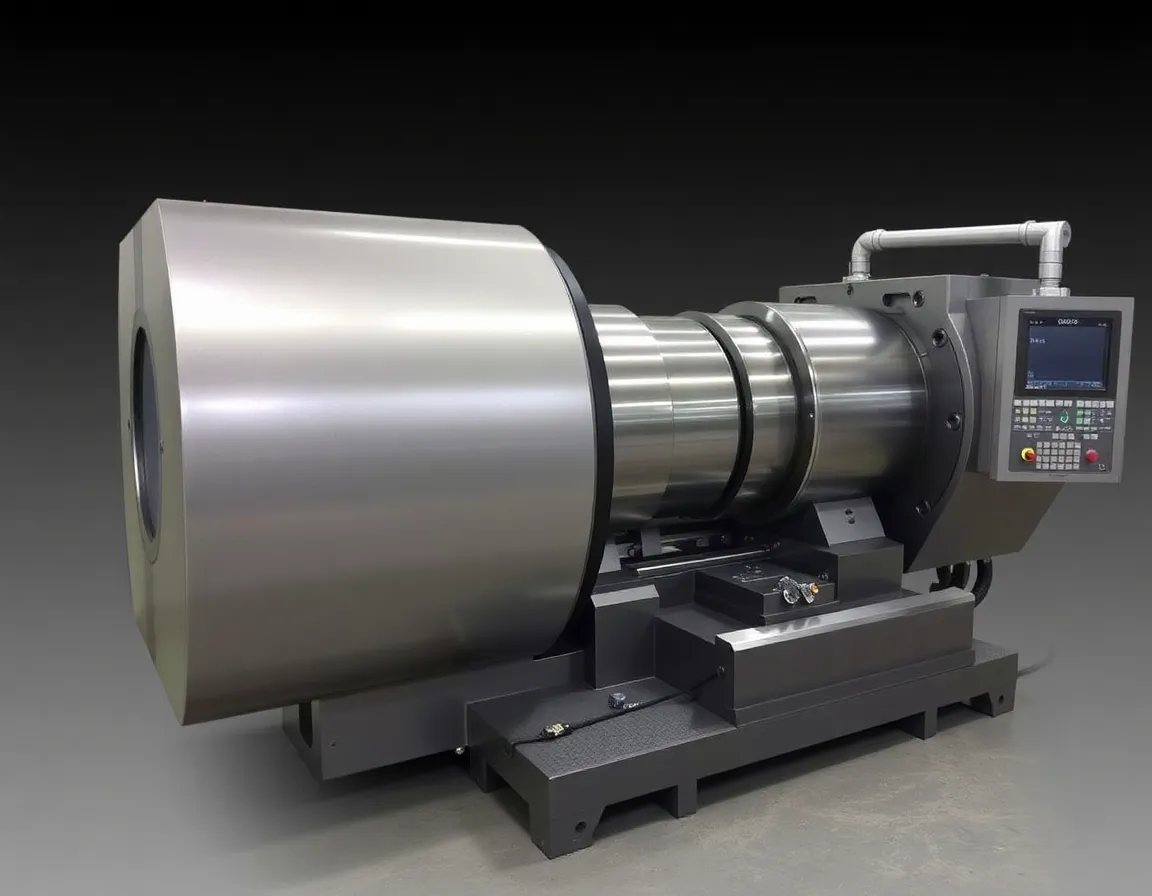
Introduction to Soft Jaw Machining Services
In the world of precision manufacturing, few processes are as quietly critical as soft jaw machining. A soft jaw machining service specializes in the custom fabrication and reconditioning of soft jaws—workholding components typically made from aluminum, mild steel, or engineered plastics that are bored or milled to match the exact geometry of a workpiece. These jaws are mounted on lathe chucks or vise systems and are designed to grip parts securely without marring delicate surfaces or distorting thin-walled components.
Unlike hardened jaws, which are built for durability and general-purpose gripping, soft jaws are sacrificial by design. They are machined in place on the chuck or vise to achieve concentricity and parallelism that often exceed the tolerances of standard workholding. This makes them indispensable in industries ranging from aerospace and medical devices to automotive and semiconductor manufacturing, where surface finish and dimensional accuracy are non-negotiable.
However, soft jaw machining is a discipline that rewards precision and punishes complacency. Even experienced machinists and reputable service providers can fall into traps that compromise part quality, scrap expensive materials, or introduce safety hazards. This article explores five of the most common—and most costly—mistakes to avoid when engaging soft jaw machining services, along with the best practices that separate elite shops from the rest.
Mistake 1: Skipping Proper Preparation and Jaw Selection
The foundation of any successful soft jaw operation is laid long before the first chip is cut. One of the most frequent errors is treating soft jaw machining as an afterthought—grabbing whatever jaw blanks are on the shelf without considering the workpiece material, geometry, or machining forces involved.
Choosing the Wrong Jaw Material
Soft jaws are not one-size-fits-all. Aluminum jaws are popular for their machinability and light weight, but they may deflect under heavy clamping forces. Mild steel jaws offer greater rigidity but require more careful handling to avoid galling or rust. Engineered plastics such as Delrin or PEEK are excellent for delicate parts but have limited load capacity. A professional soft jaw machining service should evaluate the application and recommend the appropriate material rather than defaulting to convenience.
Neglecting Chuck and Vise Condition
Soft jaws are only as accurate as the chuck or vise they are mounted on. Worn scroll threads, bell-mouthed master jaws, or a vise with excessive backlash will transfer error directly into the machined jaw profile—and therefore into the workpiece. Before machining, the chuck should be inspected for runout, the master jaws should be clean and burr-free, and mounting surfaces should be verified for flatness. Skipping this step guarantees that even perfectly machined jaws will produce inconsistent results.
Failing to Establish a Machining Datum
Every soft jaw set should be machined under the same clamping pressure and in the same position it will see during production. Shops that machine jaws loosely, or that mark jaw positions without a repeatable numbering system, invite concentricity errors. Proper preparation includes marking jaw-to-chuck positions, using torque wrenches to replicate clamping force, and documenting the setup for future rework.
Mistake 2: Improper Boring and Machining Techniques
Once preparation is complete, the actual machining of the jaw profile becomes the focal point. Errors here are often subtle but can render an entire set of jaws scrap.
Machining Jaws Without Clamping Pressure
This is perhaps the single most common mistake in soft jaw machining. Jaws must be machined while clamped under the same pressure used during production. When a chuck is tightened, the jaws deflect slightly; if the bore is cut with the jaws unclamped or lightly clamped, the resulting diameter will be out of round once the part is gripped. The same principle applies to vises: machine the jaw steps with the vise tightened to production torque, using a preload block if necessary.
Taking Aggressive Cuts
Soft jaw materials are, by definition, soft. Heavy depths of cut and high feed rates can induce chatter, leave poor surface finishes, and push the jaw out of position. Light finishing passes with sharp tooling, adequate coolant, and moderate spindle speeds produce the accuracy and finish that soft jaws are known for. A quality service provider will prioritize precision over speed every time.
Ignoring Thermal Effects
Aluminum expands significantly when heated. Machining a jaw profile while the material is warm—whether from previous operations or from aggressive cutting—can result in an undersized bore once the jaw cools. Allowing jaws to stabilize at room temperature before final finishing, and using coolant to control heat, are marks of a disciplined process.
Overlooking Runout Verification
After boring, the jaw profile should be verified with a dial indicator or coaxial indicator while the jaws are clamped. Skipping verification means errors are only discovered when the first workpiece is measured—often after several parts have already been scrapped.
Mistake 3: Poor Workholding and Clamping Practices
Soft jaws are a workholding solution, but they also depend on sound workholding to be machined correctly. Mistakes in clamping practice undermine the entire system.
Inconsistent Clamping Force
Variations in clamping pressure between the machining of the jaws and the running of production parts will cause dimensional drift. Using a torque wrench on manual chucks, or calibrated hydraulic pressure on power chucks, is essential. Service providers who hand-tighten chucks without measurement introduce unpredictable error.
Ignoring Jaw Lift and Tilt
On scroll chucks, jaws can lift or tilt under clamping load, especially when gripping at the extremes of their travel. Machining jaws near the outer or inner limits of their range magnifies this effect. Best practice is to machine jaws at the diameter where they will actually grip the part, and to use top-jaw configurations that minimize overhang.
Failing to Account for Part Deflection
Thin-walled parts are notoriously difficult to hold. If soft jaws are machined to the nominal part diameter without considering how the part will deflect under clamping force, the result is ovality and inconsistent dimensions. Experienced services will discuss clamping strategy—sometimes machining jaws slightly undersize or using relieved profiles—to distribute force evenly.
Neglecting Cleanliness
Chips and debris between jaw mounting surfaces and the chuck introduce parallelism errors measured in thousandths of an inch. A rigorous cleaning protocol before every jaw change is a non-negotiable habit.
Mistake 4: Inadequate Maintenance, Documentation, and Quality Control
Soft jaws are consumables, but they are also precision tooling. Treating them as disposable without a maintenance and documentation system leads to repeat failures and lost productivity.
Skipping In-Process Inspection
Quality control should not wait until the part is finished. First-article inspection, periodic checks during production, and verification of jaw condition after each run catch problems before they multiply. A reputable soft jaw machining service will provide inspection reports and traceability documentation for critical applications.
Failing to Track Jaw Life
Soft jaws wear, deform, and lose accuracy over time. Without a system for logging usage cycles and re-verifying dimensions, shops run jaws past their useful life and blame the workpiece or the machine when problems arise. Establishing rework intervals and retirement criteria extends the value of every jaw set.
Poor Documentation of Setups
Every jaw set should have a record: material, machining parameters, clamping pressure, jaw position numbers, and the part it was made for. When a job returns months later, this documentation eliminates guesswork and reduces setup time dramatically. Shops that rely on memory or tribal knowledge inevitably repeat mistakes.
Ignoring Storage Conditions
Aluminum jaws corrode; plastic jaws creep under load; steel jaws rust. Storing jaws in damp, dirty, or stacked conditions degrades them. Labeled, protected storage preserves accuracy and extends service life.
Mistake 5: Choosing a Service Provider on Price Alone
The final—and often most consequential—mistake is selecting a soft jaw machining service based solely on cost. Soft jaw work is deceptively simple in appearance but demands experienced machinists, appropriate equipment, and a culture of precision.
Underestimating the Value of Expertise
A low-cost provider may skip preload blocks, machine jaws without proper clamping, or omit verification steps. The savings on the service are quickly erased by scrapped workpieces, downtime, and rework. For high-value materials or tight-tolerance applications, the cost of a single scrapped part can exceed the entire jaw machining budget.
Overlooking Communication and Collaboration
The best soft jaw services act as engineering partners, asking about part geometry, material, clamping forces, and production volumes before cutting metal. Providers who simply quote a diameter without asking questions are a red flag.
Evaluating Capabilities, Not Just Prices
When vetting a service, look for demonstrated experience with your industry, in-house inspection capability, documentation practices, and turnaround reliability. Request examples of similar work and ask how they handle rework and repeat orders. The right partner will welcome these questions.
Conclusion
Soft jaw machining is a precision discipline that sits at the intersection of workholding science and machining craftsmanship. The five mistakes outlined above—inadequate preparation, improper machining technique, poor clamping practices, weak maintenance and documentation, and selecting a provider on price alone—are all avoidable with the right processes and the right partner. By understanding these pitfalls and insisting on best practices, manufacturers can protect part quality, reduce scrap, and unlock the full potential of their soft jaw workholding systems. Whether you are machining a single prototype or running high-volume production, investing in a professional soft jaw machining service that respects these principles is one of the highest-return decisions you can make.