
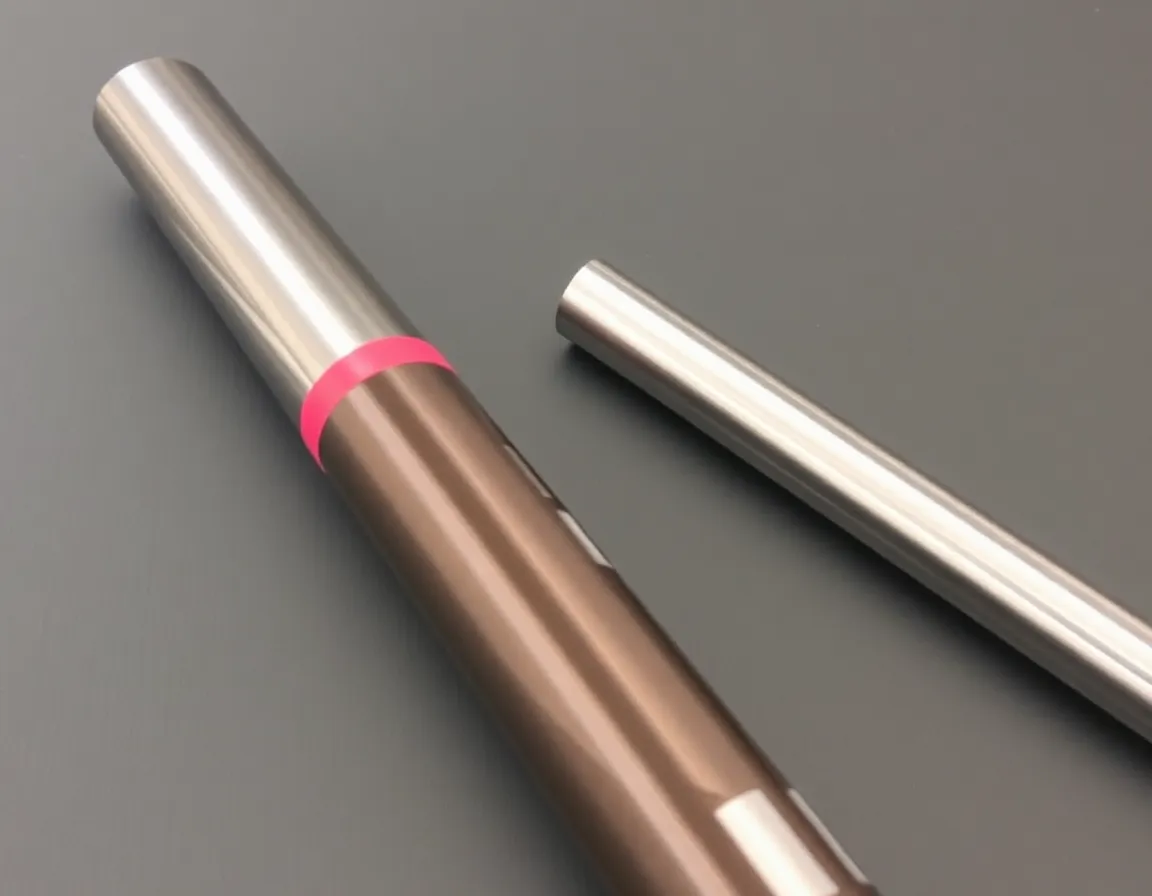
In the world of precision machining, the collet is one of the most underappreciated yet critical components in the entire workflow. Standard collets—such as 5C, R8, ER, and TG series—handle the vast majority of everyday workholding tasks efficiently and economically. But when a job involves an unusual workpiece geometry, an exotic material, or tolerances that push the limits of conventional tooling, off-the-shelf solutions often fall short. This is where custom non-standard collets become indispensable. Designed and manufactured to precise specifications, these specialized workholding devices allow machinists to tackle jobs that would otherwise be impractical, uneconomical, or simply impossible.
What Are Custom Non-Standard Collets?
A collet is a slotted, flexible sleeve that grips a workpiece or tool by contracting around it when drawn into a tapered housing. Standard collets are mass-produced in fixed sizes and configurations defined by industry norms. A non-standard collet, by contrast, is any collet that deviates from these established dimensions, geometries, or specifications. It may feature a unique bore shape, an atypical outer profile, non-standard lengths, or specialized gripping features engineered for one specific application.
Custom non-standard collets are typically produced in small batches or as one-offs by specialized manufacturers. They are designed around the exact requirements of a particular part, machine, or process. This could mean a collet with a square, hexagonal, or irregular bore to hold a pre-machined component; an extended-nose design to reach into a deep cavity; or a collet with segmented jaws that distribute clamping force in a highly controlled manner.
How They Differ from Standard Collets
The distinction goes well beyond mere dimensions. Standard collets are governed by published standards that ensure interchangeability across machines and manufacturers. Non-standard collets are unconstrained by these conventions, which gives engineers the freedom to optimize for the application. Key differences include:
- Custom bore geometry: Non-round, tapered, stepped, or contoured bores that match the workpiece precisely.
- Specialized materials: Selection of alloy steels, tool steels, or coatings tailored to the workpiece material and clamping forces.
- Unique outer profiles: Non-standard tapers, flanges, or mounting features to fit specific spindle interfaces or fixtures.
- Application-specific clamping characteristics: Engineered flexibility, slot patterns, and wall thicknesses to achieve the desired grip strength and repeatability.
- Integrated features: Coolant channels, locating shoulders, stops, or ejection mechanisms built directly into the collet.
How Custom Non-Standard Collets Work
The fundamental operating principle of a collet remains the same whether standard or custom: a tapered outer surface is forced into a matching taper in the holder, causing the slotted sleeve to compress and grip the workpiece or tool. What changes with a custom design is the engineering that goes into every dimension and feature to ensure the collet performs flawlessly in its intended application.
The Design and Manufacturing Process
Creating a custom non-standard collet is a precision engineering exercise that typically follows a structured path:
- Application analysis: The manufacturer reviews the workpiece drawing, material, machine interface, required clamping force, runout tolerances, and production volume.
- Design and engineering: Engineers model the collet, determining slot configuration, wall thickness, taper angle, heat treatment, and material grade. Finite element analysis may be used to verify stress distribution and fatigue life.
- Prototyping: A first article is produced, often via CNC turning and milling, wire EDM for slots, and precision grinding for tapers and bores.
- Validation: The prototype is tested for grip strength, runout (TIR), repeatability, and workpiece marking or deformation.
- Production: Once approved, collets are manufactured with tight process control, heat treated for hardness and toughness, and finished with grinding and, where required, specialty coatings.
Key Performance Characteristics
A well-engineered custom collet delivers several performance advantages that directly affect the machining outcome. Concentricity is paramount—custom collets can achieve runout measured in microns because the bore is ground to match the actual workpiece or tool shank. Clamping force can be tuned through material selection and geometry so that delicate parts are not crushed while heavy cuts remain secure. Repeatability ensures that every part loaded into the collet seats in the same position, which is essential for automated and high-volume production. Finally, balance and rigidity are optimized for high-speed operations, reducing vibration and improving surface finish.
Benefits of Custom Non-Standard Collets
Investing in custom workholding pays dividends across quality, productivity, and cost. The most significant benefits include:
- Access to otherwise impossible jobs: Odd-shaped, thin-walled, or non-magnetic parts that cannot be held by standard chucks or collets become machinable.
- Superior accuracy and surface finish: Precision-ground custom bores and tapers minimize runout and vibration, translating into tighter tolerances and better finishes.
- Reduced setup time: A collet designed for a specific part eliminates shimming, indicating, and improvisation, cutting changeover time dramatically.
- Protection of workpiece integrity: Distributed clamping force and custom contact geometry prevent marking, distortion, and scrap—critical for expensive materials and finished surfaces.
- Longer tool life: Reduced vibration and improved rigidity extend cutting tool life and reduce downtime.
- Cost efficiency at volume: Although the initial engineering cost is higher, custom collets often pay for themselves quickly through scrap reduction, faster cycles, and eliminated secondary operations.
Applications Across Industries
Custom non-standard collets are used wherever standard tooling cannot meet the demands of the job. Their applications span a remarkably broad range of industries.
Aerospace and Defense
Aerospace machining involves complex geometries, exotic alloys such as titanium and Inconel, and tolerances that leave no room for error. Custom collets hold turbine blades, fasteners, bushings, and thin-walled structural components during turning, grinding, and milling. Specialized collets with contoured bores and controlled clamping pressure prevent distortion of delicate airframe parts.
Medical Device Manufacturing
Medical components—from bone screws and implants to surgical instrument shafts—demand extreme precision and pristine surface finishes. Non-standard collets with custom bores and gentle clamping characteristics hold small, intricate parts securely without marring. Cleanroom-compatible materials and finishes can also be specified.
Automotive and Motorsport
High-volume production and performance racing both rely on custom workholding. Engine valves, transmission shafts, fuel injector bodies, and custom fasteners are commonly held in application-specific collets that ensure repeatable concentricity at production speeds. Motorsport teams use custom collets for one-off components where accuracy under extreme conditions is non-negotiable.
Tool and Die, Mold Making, and General Precision Machining
Toolrooms frequently encounter irregular workpiece shapes and short-run jobs. Custom collets provide a fast, accurate solution for holding punches, dies, electrodes, and mold inserts. In general machining, non-standard collets extend the capability of existing spindles and fixtures without the cost of dedicated hydraulic or vacuum workholding systems.
Best Practices for Specifying and Using Custom Collets
To get the most from a custom non-standard collet, careful specification and proper handling are essential. Consider the following best practices:
- Provide complete application data: Supply workpiece drawings with tolerances, material specifications, machine interface details, required clamping force, and production volumes. The more information the manufacturer has, the better the design.
- Define runout and repeatability requirements: State TIR limits and whether the collet will be used in manual or automated loading. This influences design, grinding, and material choices.
- Match the collet to the holder: Ensure the collet's outer taper and mounting features are fully compatible with the spindle or fixture, and verify the clamping mechanism's stroke and force.
- Respect clamping ranges: Custom collets are designed for a specific workpiece size. Avoid forcing oversize or undersize parts into the collet, which can damage the sleeve and compromise accuracy.
- Maintain cleanliness and inspection: Keep collets and tapers free of chips and coolant residue. Inspect periodically for wear, scoring, or loss of spring, and replace worn collets before they affect part quality.
- Use proper torque and actuation: Follow the manufacturer's recommendations for drawbar force or hydraulic pressure. Over-clamping accelerates fatigue; under-clamping causes slippage.
- Plan for lead time: Custom collets require engineering and manufacturing time. Order spares and plan procurement well ahead of production deadlines.
Conclusion
When a machining job defies standard workholding, custom non-standard collets provide a precise, reliable, and cost-effective answer. By engineering the collet around the exact geometry, material, and tolerance requirements of the application, machinists gain accuracy, repeatability, and access to parts that conventional tooling simply cannot handle. From aerospace and medical manufacturing to toolrooms and motorsport, these specialized collets turn difficult jobs into routine production. For any shop facing a tough machining challenge, partnering with an experienced custom collet manufacturer is one of the smartest investments it can make—because when standard solutions run out, engineered workholding is what keeps the spindle turning.