
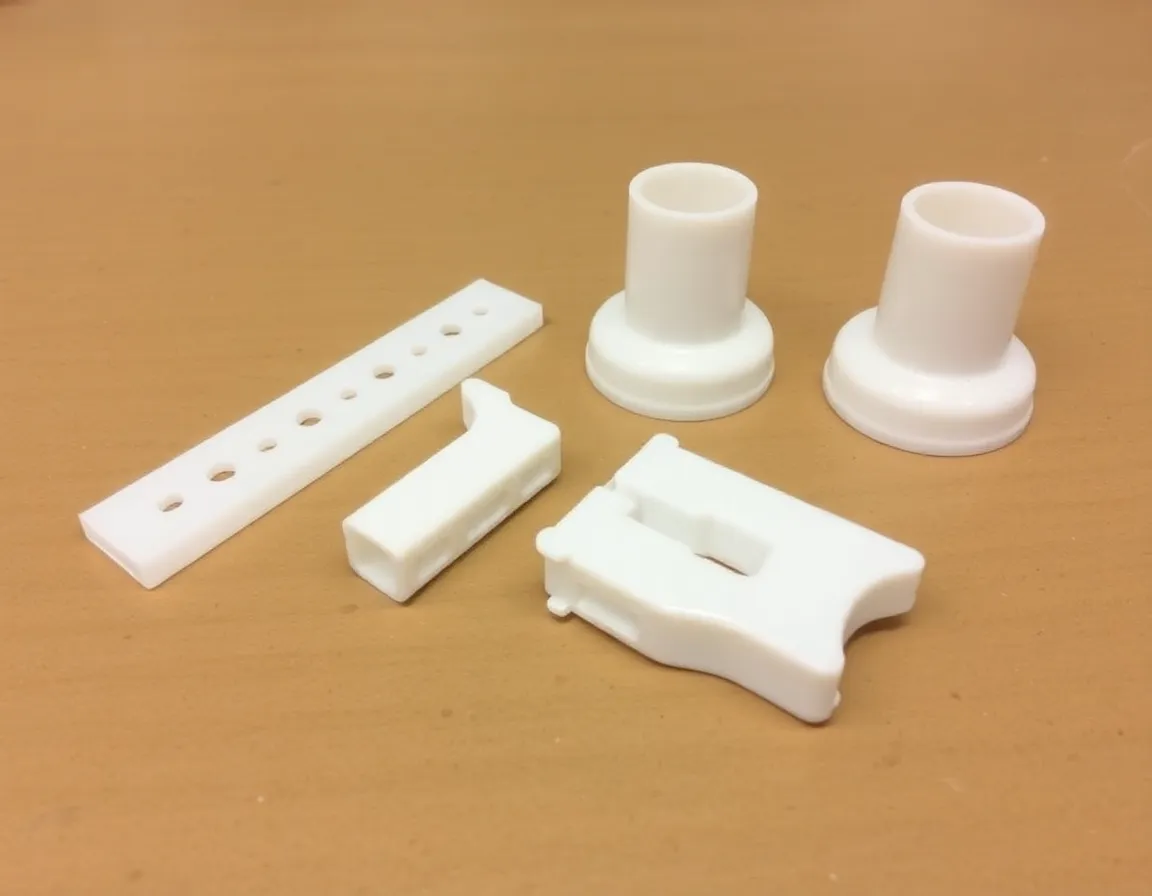
Custom plastic wear parts are the unsung heroes of modern industry. From conveyor systems in food processing plants to bushings in automotive assembly lines, these engineered components quietly absorb friction, resist abrasion, and keep machinery running smoothly. But like any component subject to constant mechanical stress, they don't last forever. Recognizing the early warning signs of wear part degradation is essential for maintenance managers, plant engineers, and operations teams who want to avoid costly downtime and equipment damage.
This article explores five critical signs that your custom plastic wear parts need replacing, along with the context you need to make informed decisions about maintenance and replacement schedules.
Understanding Custom Plastic Wear Parts
Custom plastic wear parts are precision-engineered components manufactured from high-performance polymers such as UHMW-PE (ultra-high molecular weight polyethylene), PTFE, nylon, acetal (POM), and PEEK. Unlike off-the-shelf plastic components, these parts are designed and machined to exact specifications for a particular machine, application, or operating environment.
Why Plastic Instead of Metal?
Engineers increasingly specify plastic wear parts over traditional metal alternatives for several compelling reasons:
- Self-lubricating properties: Materials like UHMW and PTFE offer low friction coefficients, reducing the need for external lubrication.
- Corrosion resistance: Plastic wear parts resist chemicals, moisture, and harsh cleaning agents that would degrade metal components.
- Weight reduction: Plastic parts are significantly lighter, reducing load on moving assemblies and improving energy efficiency.
- Noise dampening: Polymer components absorb vibration and reduce operational noise compared to metal-on-metal contact.
- Cost efficiency: Custom plastic parts are often less expensive to manufacture and replace than their metal counterparts.
- Non-marring: Plastic wear surfaces won't scratch or damage finished products moving through a system.
Common Applications
Custom plastic wear parts appear across virtually every industry. In food processing, they're used for guide rails, wear strips, and star wheels. In material handling, they serve as chain guides, idler wheels, and conveyor components. Manufacturing operations rely on plastic bushings, bearings, and wear pads. Even heavy industries use engineered polymer components in applications where metal would fail due to corrosion or galling.
Sign #1: Visible Surface Degradation
The most obvious indicator that your custom plastic wear parts need attention is visible surface deterioration. Unlike metal, which often fails catastrophically, plastic wear parts typically degrade gradually—giving you time to act if you know what to look for.
What to Watch For
- Deep scoring and gouging: Grooves cut into the wear surface indicate abrasive particles or misalignment.
- Surface pitting: Small craters or pits suggest chemical attack or embedded contaminants.
- Fraying or feathering: Edges that appear frayed indicate excessive wear or material breakdown.
- Discoloration: Significant color changes may signal thermal degradation or chemical exposure.
- Cracking: Surface cracks, especially near stress points, are a critical warning sign.
Establish a regular inspection schedule and document the baseline condition of your wear parts when new. This allows maintenance teams to track degradation over time and replace components before they fail completely. Photographing wear surfaces during inspections creates a valuable reference library for future assessments.
Sign #2: Dimensional Changes and Fit Issues
Plastic wear parts are manufactured to tight tolerances, and any deviation from those specifications signals that replacement is due. Dimensional changes often occur gradually, making them easy to overlook without proper measurement protocols.
Measuring Wear
Use calipers or micrometers to check critical dimensions against original specifications. Common dimensional changes include:
- Thickness reduction: Wear strips and pads naturally thin over time; once they fall below minimum thickness, replacement is necessary.
- Diameter changes: Bushings and bearings that have worn oversized or undersized will cause vibration, misalignment, or excessive clearance.
- Warping or distortion: Plastic parts can deform under heat or sustained load, changing their fit and function.
- Elongation of mounting holes: Oversized bolt holes indicate the part has been moving under load—a sign of loosening or improper installation.
When parts no longer fit properly, secondary damage often follows. A loose bushing can damage a shaft. A warped wear strip can cause product jams or conveyor misalignment. Addressing dimensional changes early prevents cascading failures throughout the system.
Sign #3: Increased Friction and Heat Generation
One of the primary functions of custom plastic wear parts is to reduce friction between moving components. When friction increases, it manifests in several detectable ways.
Warning Indicators
- Elevated operating temperatures: Use infrared thermometers to monitor surface temperatures during operation. Spikes indicate increased friction.
- Audible changes: Squeaking, grinding, or groaning sounds from equipment often point to worn wear surfaces.
- Increased power consumption: Motors working harder to overcome friction draw more current—a measurable sign of wear part degradation.
- Vibration: Excessive vibration frequently originates from worn bushings, bearings, or guides that no longer maintain proper clearances.
Heat is particularly damaging to plastic wear parts because elevated temperatures accelerate material degradation. A worn part generating excess heat creates a feedback loop: heat softens the plastic, which increases wear, which generates more heat. Breaking this cycle through timely replacement is essential.
Sign #4: Material Transfer and Contamination
As plastic wear parts degrade, material can transfer to mating surfaces or shed particles into the process stream. This is especially critical in industries with strict contamination standards.
Where to Look
- Product contamination: In food, pharmaceutical, or electronics manufacturing, plastic debris in the product stream is unacceptable and indicates wear part failure.
- Material buildup on mating surfaces: Plastic transferring onto metal shafts or rails signals that the wear part is breaking down.
- Color transfer: If you notice colored streaks on equipment or products, a pigmented wear part may be degrading.
- Dust or shavings: Visible plastic particles accumulating near equipment indicate active wear.
For industries governed by FDA, USDA, or other regulatory standards, contamination from degrading wear parts can trigger recalls, fines, and reputational damage. Proactive replacement based on inspection schedules rather than waiting for visible contamination is the safer approach.
Sign #5: Performance Decline in the System
Sometimes the wear part itself looks acceptable, but system performance tells a different story. Custom plastic wear parts are integral to overall equipment effectiveness, and their degradation often shows up as broader operational problems.
System-Level Symptoms
- Product misalignment or tracking issues: Conveyor belts that won't stay centered often have worn guide rails or tracking components.
- Increased rejection rates: Products damaged by worn guides or improperly supported wear surfaces lead to quality problems.
- Frequent jams: Worn parts that have lost their precise dimensions cause product to catch, jam, or mis-feed.
- Reduced throughput: Equipment running slower to compensate for vibration or friction issues signals underlying wear part problems.
- Shortened lifespan of adjacent components: A worn plastic part can accelerate wear on metal components it contacts, multiplying maintenance costs.
When operators report that a line "just isn't running right," worn plastic wear parts should be among the first suspects investigated. System-level symptoms often resolve immediately upon replacement of degraded components.
Best Practices for Wear Part Management
Rather than reacting to failures, leading operations adopt proactive wear part management strategies:
- Maintain replacement schedules: Track operating hours and establish replacement intervals based on manufacturer recommendations and historical data.
- Keep critical spares on hand: Custom parts have lead times; stocking common wear parts prevents extended downtime.
- Document inspections: Create standardized inspection checklists with photos and measurements to track degradation trends.
- Train operators to recognize symptoms: Frontline staff often notice changes in sound, vibration, or performance before formal inspections catch them.
- Work with your supplier: Partner with your custom plastic parts manufacturer to understand expected wear rates and optimize material selection for your application.
Conclusion
Custom plastic wear parts protect your equipment, your products, and your bottom line—but only when they're functioning as designed. By watching for visible surface degradation, dimensional changes, increased friction and heat, material transfer, and system-level performance decline, maintenance teams can replace wear parts at the optimal time: soon enough to prevent damage, but not so early that good components are wasted.
Remember that every hour of unexpected downtime costs far more than a replacement wear part. Build inspection routines, maintain spares inventory, and treat your custom plastic wear components as the critical assets they are. Your equipment—and your operations team—will thank you.