В мире производства, где точность, надежность и производительность не подлежат компромиссу, изготовленные на заказ фрезерованные детали являются краеугольным камнем современной инженерии. В отличие от готовых компонентов, эти детали создаются из цифрового чертежа и тщательно вырезаются из цельных блоков материала для соответствия точным спецификациям. Будь вы инженером стартапа, создающим прорывное устройство, или менеджером по закупкам крупной аэрокосмической компании, понимание тонкостей индивидуальной фрезеровки имеет решающее значение. Это всеобъемлющее руководство проведет вас через все, что нужно знать, чтобы принимать обоснованные решения и закупать компоненты высочайшего качества для вашего проекта.
Что такое изготовленные на заказ фрезерованные детали?
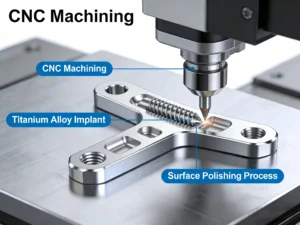
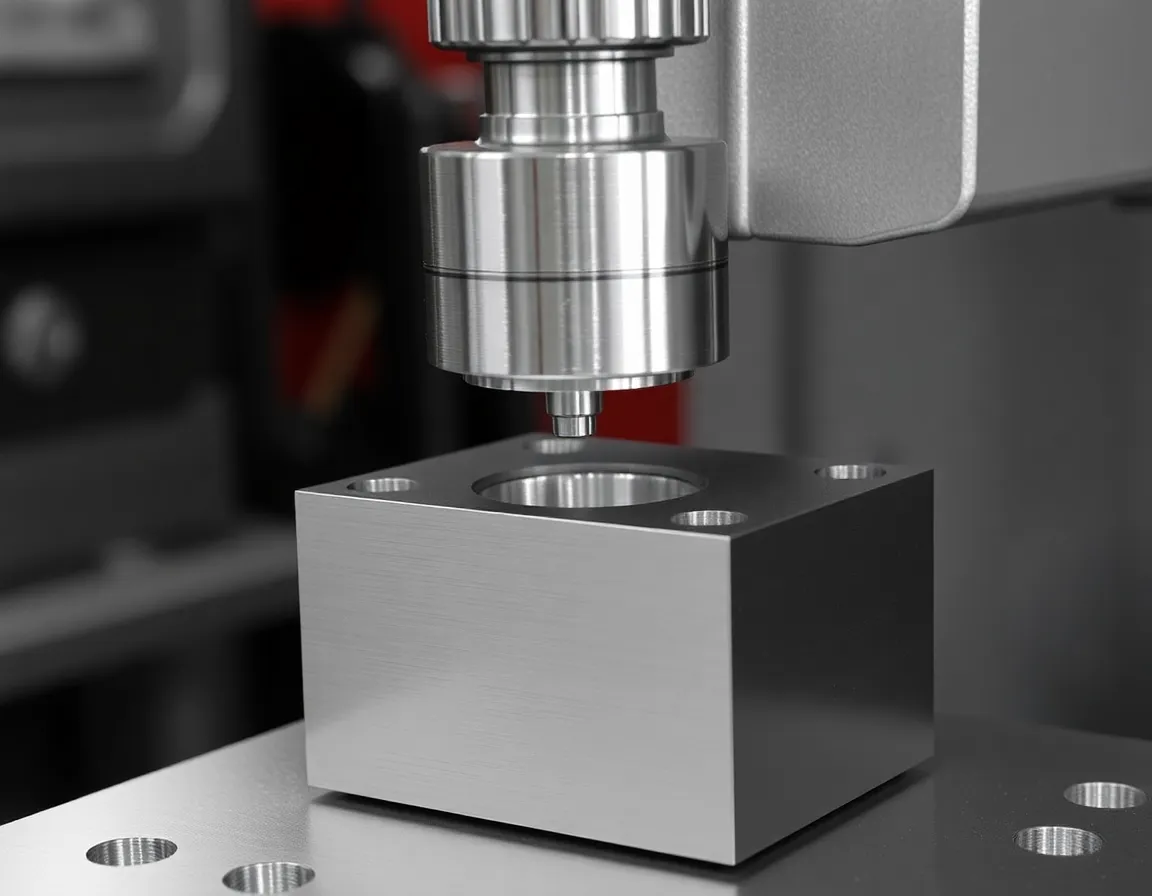
Изготовленные на заказ фрезерованные детали — это компоненты, производимые с помощью субтрактивного процесса, известного как фрезерование с ЧПУ (числовым программным управлением). В этом процессе управляемый компьютером станок использует вращающиеся режущие инструменты для избирательного удаления материала из цельной заготовки — известной как болванка или заготовка — до достижения желаемой формы. Аспект "на заказ" определяется моделью CAD (автоматизированного проектирования), которая преобразуется в машинные инструкции (G-код), направляющие путь фрезы с исключительной точностью, часто в пределах допусков в тысячные доли дюйма или меньше.
Этот метод резко контрастирует с аддитивным производством (например, 3D-печатью) или формообразующими процессами (например, литьем под давлением). Хотя они превосходны для прототипов и сложных геометрий, фрезерование не имеет равных для создания прочных, размерно точных и тонко обработанных деталей из огромного множества материалов, что делает его предпочтительным выбором для функциональных конечных компонентов.
Ключевые характеристики процесса фрезерования
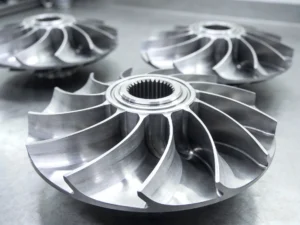
Процесс фрезерования с ЧПУ определяется несколькими ключевыми характеристиками. Он обладает высокой универсальностью , позволяя создавать как простые плоские поверхности, так и невероятно сложные 3D-контуры. Он также многоосевой; хотя 3-осевое фрезерование распространено повсеместно, 4-осевые и 5-осевые станки могут обрабатывать деталь практически со всех сторон за одну установку, что позволяет создавать чрезвычайно сложные геометрии. Кроме того, процесс обеспечиваетисключительную повторяемость. После проверки управляющей программы ЧПУ можно изготовить сотни или тысячи идентичных деталей со стабильным качеством.
Преимущества и области применения индивидуального фрезерования
Выбор индивидуального фрезерования дает целый ряд преимуществ, которые делают его незаменимым в различных отраслях. Эти преимущества напрямую влияют на эксплуатационные характеристики деталей, эффективность проектов и долгосрочную ценность.
Основные преимущества
Непревзойденная точность и жесткие допуски:Фрезерные станки с ЧПУ позволяют достигать исключительно жестких допусков, что критически важно для деталей, которые должны точно сопрягаться, функционировать и взаимодействовать в сборках.
Универсальность по материалам:Фрезерные станки могут обрабатывать огромный спектр материалов, включая металлы (алюминий, сталь, титан, латунь), пластмассы (ABS, PEEK, Delrin), композиты и даже древесину.
Превосходная прочность и целостность материала:Поскольку детали изготавливаются из цельных блоков, они сохраняют полную прочность и структуру зерна исходного материала, в отличие от слоистых деталей, полученных аддитивными методами.
Excellent Surface Finishes:Milling can produce very fine surface finishes directly off the machine, and can be further refined with secondary operations like polishing or anodizing.
Scalability from Prototype to Production:It is ideal for low to medium-volume production runs, allowing for iterative design changes and on-demand manufacturing without the high cost of custom molds.
Отраслевое применение
The applications for custom milled parts are virtually limitless. Here are some of the most critical industries that rely on them:
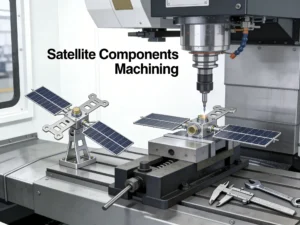
- Aerospace & Defense: Engine components, landing gear parts, brackets, and drone assemblies, where lightweight, high-strength materials like titanium and aluminum are machined to extreme tolerances.
- Medical & Dental:Surgical instruments, implant prototypes, MRI components, and custom dental guides, often requiring biocompatible materials like stainless steel or PEEK and flawless surface finishes.
- Automotive & Motorsports:Cylinder heads, suspension components, custom brackets, and fluid system parts that demand durability, heat resistance, and precision under stress.
- Electronics & Semiconductor:Enclosures, heat sinks, wafer chucks, and test fixtures that require precise dimensions, electrical insulation, or thermal management properties.
- Промышленное оборудование:Gears, housings, shafts, and molds that form the backbone of manufacturing equipment, requiring wear resistance and long-term reliability.
A Buyer's Guide: Best Practices for Sourcing
Successfully sourcing custom milled parts requires careful planning and clear communication. Following these best practices will ensure a smooth process, a high-quality outcome, and optimal cost-efficiency.
1. Design for Manufacturability (DFM)
This is the most critical step. A design that looks perfect in CAD may be unnecessarily expensive or difficult to machine. Engage with your milling partner early for a DFM review. Key considerations include:
- Internal Sharp Corners: Cutting tools are round, so they cannot create perfectly sharp internal corners. Specify a radius that matches standard cutter sizes.
- Wall Thickness:Extremely thin walls can vibrate during machining or be too fragile. Ensure walls are thick enough for the chosen material.
- Depth-to-Diameter Ratios:Deep pockets or holes with small diameters require specialized tools and can increase cost and machining time.
- Standardized Features:Use standard drill and thread sizes whenever possible to avoid non-standard tooling.
2. Material Selection
Your choice of material impacts cost, machinability, lead time, and part performance. Consider:
- Functional Requirements: Strength, weight, corrosion resistance, thermal stability, electrical conductivity, and biocompatibility.
- Обрабатываемость:Softer materials like aluminum and brass machine quickly and are cost-effective. Harder materials like stainless steel or titanium are stronger but wear tools faster and take longer to machine, increasing cost.
- Стоимость vs. производительность:Balance the material cost against the required performance. Sometimes a more expensive material that machines easily can be more economical than a cheaper, harder-to-machine alternative.
3. Choosing the Right Manufacturing Partner
Not all machine shops are created equal. Vet potential partners thoroughly:
- Capabilities & Equipment: Do they have the right machine tools (e.g., 5-axis for complex parts)? Can they handle your material and tolerance requirements?
- Quality Assurance:Inquire about their quality control processes. Do they have in-house CMM (Coordinate Measuring Machine) inspection, and can they provide inspection reports (e.g., AS9102 FAIs)?
- Communication & Expertise:A good partner will offer proactive DFM feedback and communicate clearly about timelines and challenges.
- Certifications:For regulated industries (aerospace, medical), ensure they hold relevant certifications like ISO 9001, AS9100, or ISO 13485.
4. Understanding Tolerances and Finishes
Specify only the tolerances that are critical for your part's function. Tighter tolerances exponentially increase machining time, cost, and inspection requirements. Similarly, define your surface finish requirements clearly (e.g., "125 µin Ra" or "as-machined"). Unnecessarily fine finishes can be a significant cost driver.
From Quote to Delivery: The Procurement Process
Understanding the typical workflow will help you manage expectations and timelines effectively.
Step 1: Request for Quotation (RFQ)
Provide the machine shop with a complete package: detailed CAD files (STEP or IGES are preferred), 2D drawings with critical dimensions and tolerances, material specifications, quantity, and any applicable industry standards.
Step 2: Review and DFM Feedback
A reputable shop will analyze your design and may suggest modifications to improve manufacturability and reduce cost without compromising function. Review this feedback carefully.
Step 3: Quotation and Lead Time
The quote will detail part cost, setup/NRE (Non-Recurring Engineering) costs, and estimated lead time. Lead time includes programming, setup, machining, and any secondary operations or inspections.
Step 4: Production and Quality Control
Upon order placement, the shop will program the machines, set up the job, and begin production. First-article inspection is often conducted to validate the process before full production runs.
Step 5: Delivery and Support
Parts are delivered with necessary documentation. A good partner will follow up to ensure the parts meet your expectations and are available for future runs or modifications.
By investing time in design optimization, selecting the appropriate materials, and partnering with a capable and communicative machine shop, you can leverage the full power of custom milling. The result will be precision components that elevate your product's performance, reliability, and success in the market. In an era of customization and innovation, custom milled parts remain an essential, enabling technology for turning visionary designs into tangible reality.