The Unseen Art: Precision Machining in the Aircraft Cabin
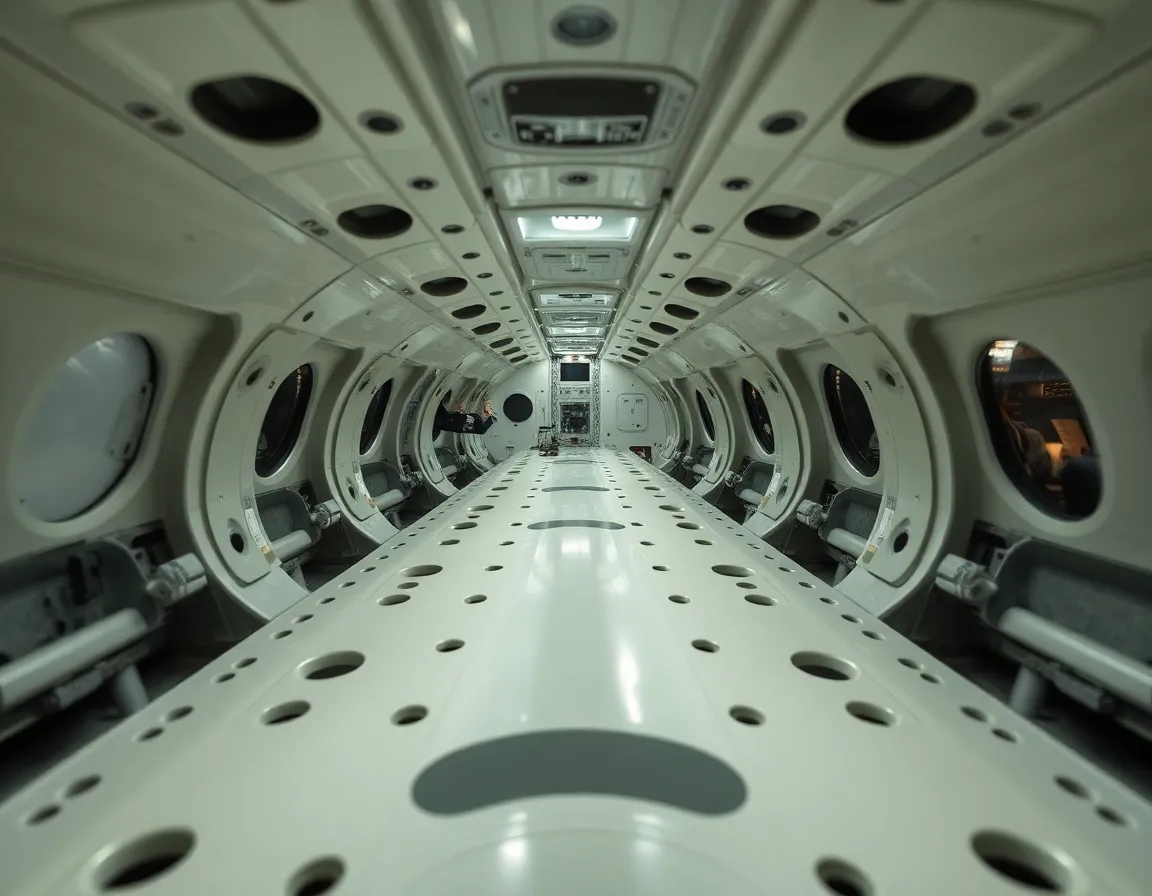
While the sleek wings and powerful engines capture the imagination, the modern aircraft interior is a masterpiece of engineering in its own right. Behind the elegant curves of a seat frame, the seamless fit of an overhead bin, and the intricate details of a galley module lies a discipline of manufacturing defined by uncompromising precision: aircraft interior parts machining. This process transforms high-strength materials into the complex, lightweight, and safety-critical components that define the passenger experience and operational efficiency. It is a world where tolerances are measured in thousandths of an inch, where material integrity is paramount, and where design meets the rigorous demands of the sky.
What is Aircraft Interior Parts Machining?
Precision machining for aircraft interiors is a subtractive manufacturing process that uses computer-controlled machine tools to remove material from a solid block (billet) or pre-form, creating a final part with exacting dimensions and surface finishes. Unlike casting or molding, machining offers unparalleled accuracy and the ability to work with the high-performance materials required in aerospace. Every component, from a seemingly simple armrest bracket to a complex structural beam for a lavatory unit, is meticulously crafted to meet precise digital blueprints.
The Core Technologies and Processes
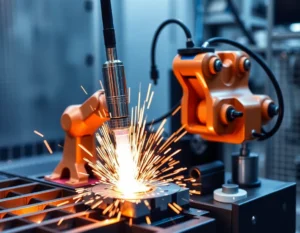
The field relies on advanced Computer Numerical Control (CNC) machinery, which follows digital instructions (G-code) to guide cutting tools with extreme accuracy. Key machining processes include:
- Fresamento CNC: The workhorse of interior machining, used for complex 3D shapes, pockets, and contours found in seat components, decorative panels, and structural fittings.
- Torneamento CNC: Primarily used for cylindrical parts like actuator housings, connector pins, and various rods or shafts within adjustment mechanisms.
- Multi-Axis Machining (5-Axis and beyond): Essential for complex geometries. This allows the cutting tool to approach the workpiece from nearly any angle in a single setup, crucial for monolithic parts that would otherwise require multiple, less accurate assemblies.
- Swiss-Style Turning: Ideal for producing small, high-precision components like fasteners, knobs, and latches with exceptionally tight tolerances.
Materials: Engineered for the Cabin Environment
The choice of material is driven by the "strength-to-weight" mantra of aerospace, alongside factors like flammability, toxicity, and durability. Commonly machined materials include:
- Aluminum Alloys (e.g., 6061, 7075): The most prevalent due to their excellent machinability, good strength, and light weight. Used for structural frames, brackets, and housing components.
- Ligas de Titânio: Employed where very high strength and corrosion resistance are needed in a minimal weight package, often for critical load-bearing fittings.
- High-Performance Plastics & Composites (e.g., PEEK, Ultem, Carbon Fiber Reinforced Polymers): Increasingly machined for their lightweight, flame-smoke-toxicity (FST) compliance, and design flexibility. Used for trim panels, ducting, and insulating components.
- Aço Inoxidável: Selected for applications requiring extreme durability and hygiene, such as galley work surfaces, sink units, and lavatory hardware.
Key Benefits and Why Precision is Non-Negotiable
The investment in high-precision machining yields significant returns across the aircraft's lifecycle.
Weight Reduction and Fuel Efficiency
Every kilogram saved in the interior translates directly to reduced fuel consumption over the aircraft's lifespan. Precision machining allows designers to create "lightweighting" geometries—complex, organic structures with internal webbing and pockets that remove every possible gram of non-essential material while maintaining structural integrity, something impossible with traditional manufacturing.
Safety, Reliability, and Certification
Aircraft interiors are heavily regulated (by FAA, EASA, etc.). Machined parts provide traceability and consistent material properties. The precision ensures perfect fit-up, eliminating stress points and ensuring components perform as engineered during critical events like turbulence or emergency landings. The ability to machine parts from a single billet (monolithic design) also reduces failure points compared to welded or assembled structures.
Durability and Long Service Life
Cabins endure constant use, vibration, pressure cycles, and cleaning chemicals. Precisely machined parts from robust materials resist wear, corrosion, and fatigue, ensuring components like seat recline mechanisms, latch systems, and overhead bin hinges perform reliably for decades.
Aesthetic Excellence and Passenger Comfort
Tight tolerances mean seamless gaps between panels, smooth operation of moving parts, and flawless integration of aesthetic elements. This attention to detail directly contributes to the perceived quality and comfort of the cabin environment.
Applications: From Galley to Seat
Machined components are ubiquitous throughout the cabin:
- Seating Systems: Structural frames, recline mechanism housings, armrest cores, leg rests, and intricate belt buckle components.
- Overhead Storage Bins: Latch mechanisms, pivot arms, structural supports, and guide rails—all requiring smooth, reliable operation under load.
- Galleys and Lavatories: Structural frames, sink units, oven supports, door hinges, and waste panel mechanisms. These areas demand hygiene, durability, and precise fit for complex plumbing and electrical systems.
- Class Dividers & Monumentation: Structural posts, attachment fittings, and complex curved elements that form first-class suites, crew rest areas, and lavatory modules.
- Trim & Paneling: While often the final decorative layer, the underlying support structures, attachment rails, and air duct grilles are precision machined for perfect alignment.
Best Practices in Precision Machining for Interiors
Success in this field hinges on a rigorous, integrated approach.
Colaboração em Design para Manufaturabilidade (DFM)
Close collaboration between interior designers, aerospace engineers, and machinists from the outset is critical. Machining experts can advise on optimal wall thicknesses, radii, tool access, and material selection to ensure the design is both beautiful and manufacturable without compromising cost or performance.
Advanced Tooling and In-Process Verification
Using state-of-the-art cutting tools, coolants, and fixturing is essential. Furthermore, in-process probing and inspection—using touch probes and laser scanners on the CNC machine itself—allows for real-time verification of dimensions, catching deviations before a part is completed and ensuring batch consistency.
Stringent Quality Control and Documentation
Every step is documented. Final inspection using Coordinate Measuring Machines (CMM) and advanced metrology equipment validates every critical dimension against the original CAD model. Material certifications, toolpath logs, and inspection reports form a complete digital thread for each part, which is mandatory for certification and traceability.
Embracing Digital Integration
The entire process is driven by digital continuity: from the 3D CAD model to the CAM (Computer-Aided Manufacturing) programming, to the CNC machine, and finally to the inspection report. This digital thread minimizes human error, accelerates iterations, and ensures the physical part is a perfect embodiment of the digital design.
Conclusion: The Foundation of Flight's Experience
Precision machining for aircraft interiors is far more than a manufacturing step; it is the enabling technology that brings sophisticated cabin designs to life with the necessary rigor for flight. It balances the often-competing demands of lightweight design, absolute safety, enduring durability, and aesthetic perfection. As aircraft interiors evolve to become more personalized, connected, and comfortable, the role of precision machining will only grow in importance, continuing to shape the unseen architecture that makes modern air travel possible. The next time you settle into your seat, note the flawless operation of the components around you—it is the silent testament to an industry built on micron-level precision.