Introdução: A Batalha pela Proteção de Superfícies
No mundo da manufatura, aeroespacial, automotiva e eletrônica, proteger superfícies metálicas contra corrosão, desgaste e degradação ambiental não é apenas uma preferência—é uma necessidade. Durante décadas, a tinta foi a solução preferida para esse desafio. No entanto, uma alternativa sofisticada e frequentemente superior vem ganhando terreno de forma constante: o revestimento de filme químico. Este artigo explora os detalhes intricados de ambos os métodos de proteção, comparando seus mecanismos, vantagens, limitações e aplicações ideais para responder à pergunta crucial: Filme Químico vs. Tinta: Qual é Melhor? A resposta, como descobriremos, não é simples e universal, mas depende fortemente dos requisitos específicos do projeto.
Entendendo os Concorrentes
Antes de podermos comparar, devemos primeiro entender o que cada tecnologia envolve em um nível fundamental.
O que é Revestimento de Filme Químico?
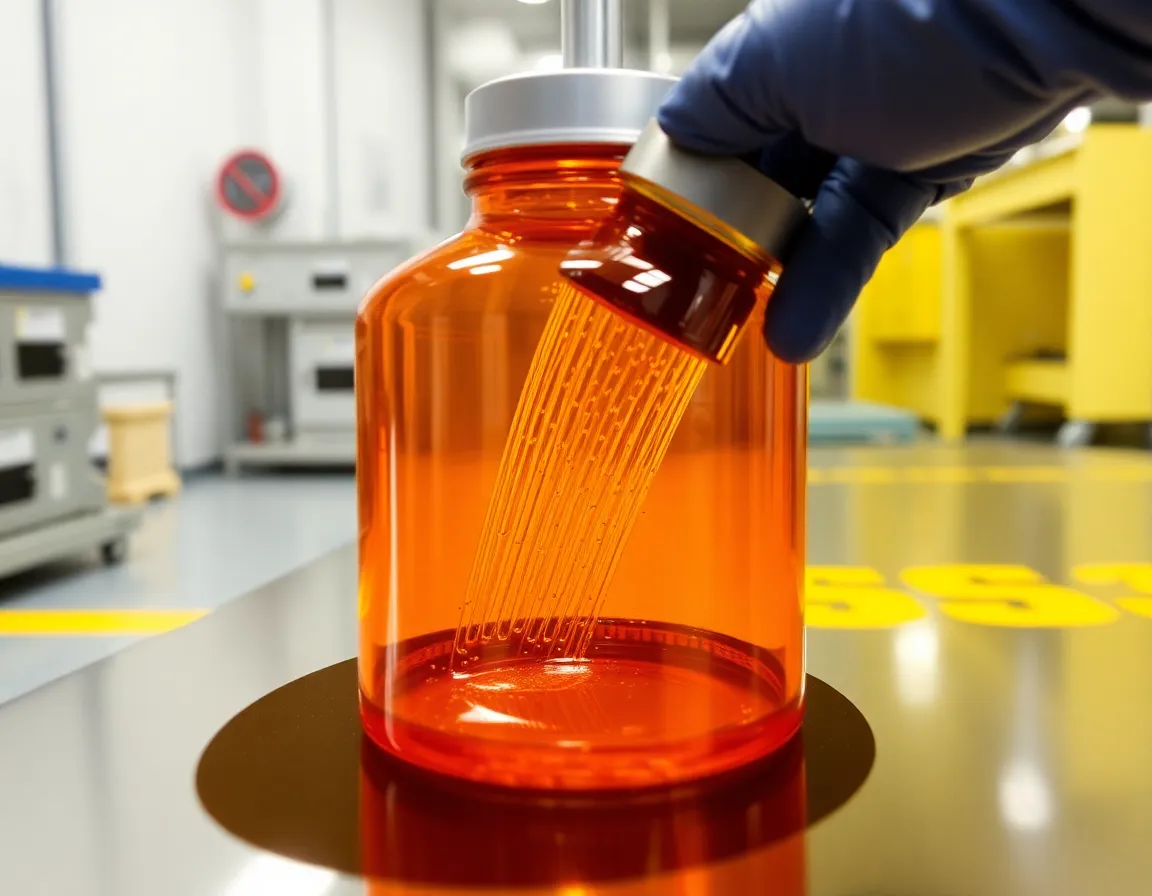
Película química, frequentemente conhecida pelo seu nome comercial comum Alodine® (um processo à base de crómio hexavalente) ou por revestimentos de conversão de cromato mais modernos, é um tratamento químico não eletrolítico aplicado diretamente à superfície do metal. O processo envolve imersão, pulverização ou escovagem do metal com uma solução química que reage com o substrato para formar uma camada protetora integral. Esta camada é tipicamente muito fina (medida em milionésimos de polegada ou micrómetros) e faz parte do próprio metal, não sendo um revestimento separado assente por cima. É frequentemente utilizada como pré-tratamento ou primário para tinta ou revestimento em pó, para melhorar drasticamente a adesão, mas é também um acabamento autónomo altamente eficaz, particularmente para alumínio e as suas ligas.
O que é Tinta?
A tinta é uma formulação líquida ou mástique pigmentada que, após aplicação a um substrato, se converte numa película sólida. É um sistema em camadas que assenta sobre a superfície que protege. As tintas industriais modernas, incluindo epóxis, poliuretanos e acrílicos, são misturas complexas de resinas (ligantes), pigmentos, solventes e aditivos. Proporcionam proteção criando uma barreira física entre o metal e o ambiente. Os sistemas de tinta podem ser aplicados de várias formas, incluindo pulverização, imersão e escovagem, e são conhecidos por proporcionar cor, apelo estético e um certo grau de proteção mecânica.
Comparação Direta: Mecanismos e Propriedades
A diferença fundamental reside na forma como cada método alcança a proteção, o que se desdobra numa série de características de desempenho distintas.
Adesão e Ligação
Película Química: Destaca-se na adesão. Como altera quimicamente a camada superior do metal, criando uma superfície porosa e microscopicamente rugosa, proporciona uma "chave" mecânica excecional para camadas de tinta subsequentes. A adesão da tinta a uma película química é muito superior à tinta aplicada diretamente sobre metal nu. Como acabamento autónomo, a sua adesão é perfeita porque é the metal.
Paint: Adhesion is primarily mechanical and, to a lesser extent, chemical. It relies on surface preparation (like sandblasting or phosphating) to create anchor points. Poor preparation leads to peeling, blistering, and delamination, especially in harsh environments.
Resistência à Corrosão
Película Química: Provides excellent corrosion resistance, particularly galvanic quanto a filiform corrosion protection. It acts as a barrier and, importantly, contains corrosion-inhibiting compounds (like chromates or newer, more environmentally friendly alternatives) that actively "self-heal" small scratches by migrating to the damaged area to passivate it. Its thinness, however, offers limited barrier protection against severe abrasion.
Paint: Offers superior barrier protection due to its thickness. A well-applied, multi-layer paint system can completely isolate the metal from moisture, salts, and chemicals. However, once the paint film is breached, corrosion can spread underneath the coating if no inhibitive primers are used, leading to widespread failure.
Dimensional Stability and Conductivity
Película Química: Has a negligible effect on part dimensions due to its extreme thinness (typically 0.00001 to 0.00004 inches). This is critical for precision components, threaded parts, and tight-tolerance assemblies. Furthermore, most chemical films are electrically conductive, making them indispensable in aerospace and electronics for grounding and EMI/RFI shielding.
Paint: Adds significant thickness, which can interfere with the fit of machined or assembled parts. Paint is also electrically insulative, which can be a benefit or a drawback depending on the application. It requires masking for areas that must remain conductive or uncoated.
Aesthetics and Versatility
Película Química: Offers limited color options—typically clear/iridescent, yellow iridescent (gold), or olive drab. Its primary function is corrosion protection and paint adhesion, not decoration.
Paint: The clear winner in aesthetics. It provides an unlimited color palette, gloss levels, and textured finishes. It is the preferred choice when branding, appearance, and color-coding are required.
Applications: Where Each Technology Shines
The "better" choice is dictated by the end-use environment and performance requirements.
Ideal Uses for Chemical Film Coating
- Aeroespacial e Aviação: The industry standard for aluminum aircraft skins and components due to its lightweight, conductive, and highly corrosion-resistant properties.
- Electronics & Enclosures: Used on chassis, racks, and enclosures where electrical conductivity (for grounding) and EMI shielding are paramount.
- Precision Machined Parts: For bearings, fasteners, and components where maintaining exact dimensions is critical.
- As a Paint Primer: The ultimate pre-treatment for aluminum and other metals that will be topcoated, ensuring paint longevity.
- Marine Components: Excellent for internal aluminum parts and structures exposed to salt-laden atmospheres.
Ideal Uses for Paint
- Architectural & Structural Steel: Bridges, buildings, and heavy equipment where thick barrier protection and specific color requirements are needed.
- Consumer Goods & Automotive Exteriors: Where aesthetic appeal, color, gloss, and UV resistance are primary concerns.
- Harsh Chemical Environments: When specialized chemical-resistant coatings (like high-build epoxies) are required for tanks, pipelines, or industrial flooring.
- Applications Requiring Abrasion Resistance: Surfaces subject to physical wear and tear, where a thick, tough coating is necessary.
Best Practices and Considerations
Surface Preparation
For both processes, surface preparation is the single most important factor for success. Chemical film requires a meticulously clean and oxide-free surface, achieved through a multi-stage process of cleaning, deoxidizing, and rinsing. Any contamination will lead to a non-uniform coating. Paint also demands rigorous preparation—often involving abrasive blasting, degreasing, and the application of a conversion coating or primer—to ensure proper adhesion.
Environmental and Safety Factors
Traditional chromate conversion coatings contain hexavalent chromium, a highly regulated carcinogen. This has driven the industry toward trivalent chromium and other chrome-free alternatives, which are safer but may have slightly different performance profiles. Paint application involves volatile organic compounds (VOCs), hazardous air pollutants, and often requires complex spray booths with filtration and environmental controls. Both industries are heavily regulated, with paint generally posing greater challenges in terms of VOC emissions and waste disposal.
Cost and Process Complexity
Chemical film processes are generally lower in material cost and faster, involving dip or spray lines with short dwell times. However, they require strict chemical process control and wastewater treatment. Paint systems often have higher material costs, require longer curing times (oven baking), and involve more labor-intensive application and masking processes. The durability and longevity of a properly applied system, however, can justify the initial investment.
Conclusion: A Synergistic Relationship, Not a Rivalry
So, which is better: chemical film or paint? The truth is, they are often at their best when used together. The most durable and high-performance corrosion protection system for metals, especially aluminum, is frequently a combination: a chemical film conversion coating applied first, followed by a primer and a topcoat of paint. This hybrid approach leverages the superior adhesion and active corrosion inhibition of the chemical film with the robust barrier protection, aesthetics, and abrasion resistance of the paint.
As a standalone finish, the choice is unequivocally driven by application requirements:
- Choose revestimento de filme químico when you need lightweight, conductive, dimensionally stable, and highly corrosion-resistant protection for precision parts, especially in aerospace and electronics.
- Choose paint when you require specific colors, maximum barrier thickness, UV protection, or superior abrasion resistance for structural, architectural, or consumer-facing products.
Ultimately, understanding the distinct science behind each method empowers engineers, designers, and project managers to make the optimal selection, ensuring longevity, performance, and cost-effectiveness for their specific challenge.