
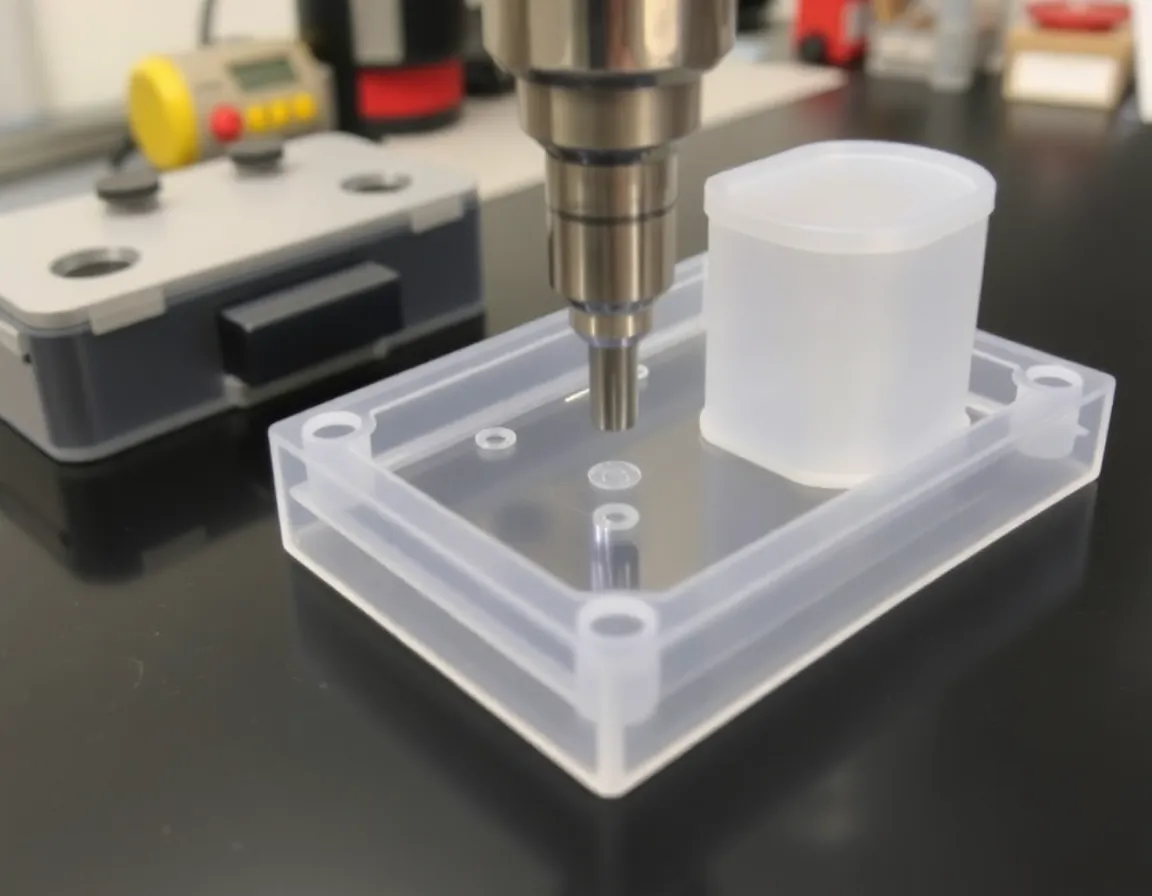
Vantaggi

Clear design intent

Explain the part function, mating interfaces, and prototype or production purpose.

Controlled file set

Keep model, drawing, units, part number, and revision consistent.

Visible material choice

Name the resin grade or state which properties should guide review.

Agreed acceptance

Set inspection, finish, included operations, and quotation assumptions in advance.

Custom plastic machining: from design file to quote

Describe the custom part and its purpose

Explain what the component must do and identify its mating parts, functional surfaces, and operating conditions. Separate prototype, replacement, and repeat-order needs so the supplier can review the right quantity and acceptance requirements.

Provide a complete drawing package

Send a current 2D drawing and matching 3D model with units, part number, revision, material grade, and quantity. Mark functional dimensions, datums, threads, inserts, and surfaces that control assembly. Keep model and drawing revisions aligned.

Make material assumptions visible

Name the plastic grade and condition if specified. If alternatives are acceptable, state what properties matter and request confirmation before substitution. Color, transparency, chemical contact, temperature, and wear may affect material selection or finish requirements.

Clarify machining and finishing scope

Identify features that may affect access or workholding, plus any finish, deburring, assembly, marking, or secondary operation. Ask which operations are included in the quote and which require separate approval.

Agree on acceptance before work

Define inspection criteria for critical fits and surfaces. Name requested measurements, gauges, sample approvals, or records. Compare quotes using the same revision, material, quantity, finish, inspection, and delivery assumptions.

Rivedere informazioni sul materiale plastico and submit the current file package through the pagina di richiesta preventivo.

Domande frequenti

How is custom plastic machining different from a general plastic parts page?

+

This page focuses on scoping a custom part and RFQ. A general parts guide may help compare materials or applications, while a machining request should define drawings, fit, quantity, finish, and acceptance.

What files should I send for custom plastic machining?

+

Send a current model and drawing with units, revision, material, quantity, functional dimensions, finish, and inspection requirements.

Can I leave the plastic grade open?

+

If the grade is undecided, describe the part function and required properties. Confirm any proposed material choice before approving the order.

How do I keep quotes comparable?

+

Use the same drawing revision, material, quantity, finishing, inspection scope, included operations, exclusions, and delivery assumptions.

Quali fattori influenzano il costo e i tempi di consegna di un progetto personalizzato di lavorazione della plastica?

+

Il costo e i tempi di consegna per la lavorazione meccanica di materie plastiche personalizzate sono influenzati da diversi fattori chiave. La complessità del pezzo è un fattore determinante; geometrie intricate con tasche profonde o tolleranze strette richiedono più tempo di lavorazione e utensili specializzati. La scelta del materiale influisce in modo significativo sul costo, con plastiche standard come l'acrilico che risultano economiche e plastiche ad alte prestazioni come il PEEK che sono più costose. Anche la quantità gioca un ruolo; mentre il costo unitario per un singolo prototipo può essere più elevato, il costo per pezzo spesso diminuisce con piccoli lotti grazie all'ammortamento dell'attrezzaggio. Infine, la post-lavorazione e i requisiti di qualità si aggiungono al totale. I tempi di consegna sono tipicamente molto più brevi rispetto allo stampaggio, variando da pochi giorni per prototipi semplici a un paio di settimane per ordini complessi e multi-pezzo, poiché non vi è alcuno stampo da produrre.

Richiedi un preventivo