Introduction: The Pinnacle of Miniature Manufacturing
In the demanding world of modern manufacturing, where components are shrinking in size but growing in complexity, a specialized machining process stands out for its unparalleled precision and efficiency: CNC Swiss machining. Also known as Swiss-type lathe machining or sliding headstock machining, this advanced technique has revolutionized the production of small, intricate, and high-volume parts. From life-saving medical implants to critical aerospace fasteners, Swiss machining is the backbone of industries where failure is not an option. This article delves into the mechanics, distinct advantages, diverse applications, and best practices of this sophisticated manufacturing process.
What is CNC Swiss Machining?
At its core, CNC Swiss machining is a specialized subset of CNC (Computer Numerical Control) turning. Its name originates from its development in the Swiss watchmaking industry in the late 19th century, where the need for incredibly precise, tiny screw components drove innovation. Unlike a conventional lathe where the workpiece rotates and the cutting tools are stationary, a Swiss-type lathe employs a moving headstock. The bar stock is clamped firmly by a collet and advanced through a guide bushing, positioned extremely close to the cutting tools. This fundamental difference is the key to its exceptional capabilities.
How It Works: The Guide Bushing Advantage
The guide bushing is the heart of the Swiss machining process. It provides robust support to the raw material bar just millimeters away from the point of cutting. As the headstock slides the material through this bushing, the cutting tools—mounted on a multi-axis tooling cam or servo-driven turret—perform operations like turning, drilling, milling, and threading. This proximity of support virtually eliminates deflection or vibration of the workpiece, even when machining long, slender parts with high length-to-diameter ratios (often called "bar-like" parts). This stability is what allows for such extraordinary tolerances and fine surface finishes.
The Modern CNC Swiss Machine
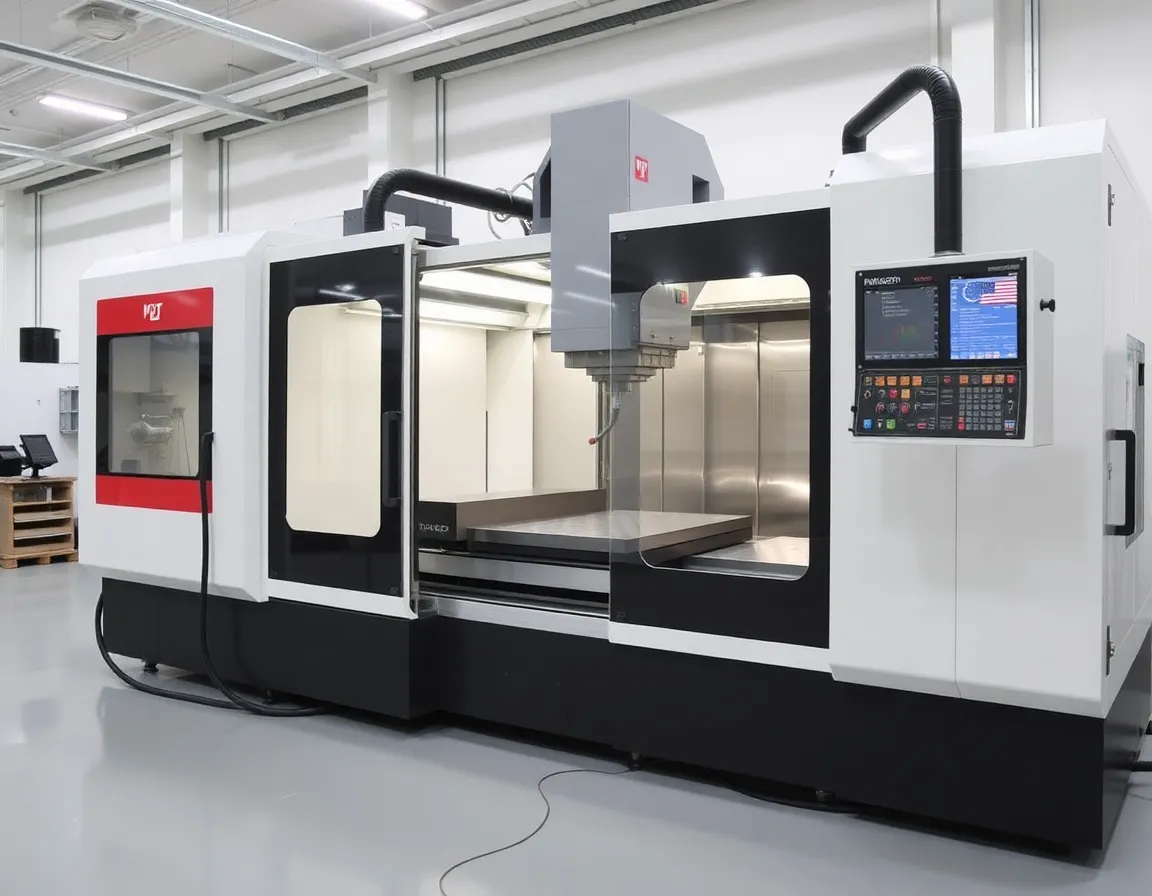
Today's CNC Swiss machines are technological marvels. They are typically equipped with live tooling (rotating tools that can mill or drill off-center), secondary spindles for back-working operations, and Y-axis capabilities. This transforms them into complete machining centers capable of performing complex, multi-faceted operations in a single setup. The integration of these features allows for the complete machining of a part—front, back, and sides—without ever removing it from the machine, a concept known as "done-in-one" manufacturing.
The Key Benefits of Swiss Precision Machining
The unique architecture of the Swiss-type lathe translates into a compelling set of advantages that make it the preferred choice for specific manufacturing challenges.
Unmatched Precision and Tight Tolerances
The guide bushing support system ensures extreme rigidity during cutting. This results in the ability to hold incredibly tight tolerances, routinely within ±0.0002 inches (0.005mm) or even tighter for critical dimensions. This level of repeatability is essential for components that must fit together perfectly in complex assemblies.
Finitura superficiale superiore
Minimized vibration and chatter directly contribute to exceptional surface finishes. Swiss-machined parts often come off the machine with finishes so smooth they require no secondary polishing, saving time and cost while maintaining dimensional integrity.
Efficiency in High-Volume Production
Swiss machines are designed for continuous operation. With automatic bar feeders capable of holding hours worth of material, they can run untended for extended periods. The single-setup, "done-in-one" philosophy drastically reduces cycle times, handling, and the potential for errors associated with multiple machine setups.
Ability to Machine Complex Geometries
With live tooling, multiple axes, and secondary spindles, modern Swiss machines can create highly complex parts that would otherwise require several different machines. Intricate contours, cross-holes, flats, slots, and threads can all be produced in one seamless operation.
Excellent for Long, Slender Parts
This is where Swiss machining truly shines. Machining a long, thin shaft on a conventional lathe is fraught with challenges due to whip and deflection. The guide bushing support in a Swiss lathe makes these parts routine, enabling the production of pins, shafts, and connectors that would be difficult or impossible to make with other methods.
Diverse Applications Across Critical Industries
The benefits of Swiss machining make it indispensable in sectors where precision, reliability, and miniaturization are paramount.
Medical and Surgical Devices
This is one of the largest application areas. Swiss machines produce biocompatible components from materials like titanium, stainless steel, and specialized plastics. Examples include:
- Orthopedic implants: Bone screws, spinal rods, and joint components.
- Surgical instruments: Endoscopic tool shafts, biopsy needles, and dental drill bits.
- Medical device components: Housings for pumps, connectors for fluid delivery systems, and parts for implantable devices.
Aerospazio e Difesa
The aerospace industry relies on Swiss-machined parts for their strength-to-weight ratio and reliability. Components must withstand extreme environments and stresses. Common parts include:
- Precision fasteners, bolts, and fittings.
- Sensor housings and connectors.
- Fuel system components and hydraulic valve parts.
- Guidance system actuators.
Electronics and Connectors
As electronics shrink, so do their components. Swiss machining manufactures the intricate connectors, pins, sockets, and shielding required for modern devices.
- Precision connector pins for telecommunications.
- Shielding components for RF applications.
- Micro-components for consumer electronics and semiconductors.
Automotive (Performance and Racing)
While high-volume automotive parts often use other methods, Swiss machining is critical for performance vehicles, racing, and specialized systems.
- Fuel injector nozzles and components.
- Transmission shafts and sensor components.
- Custom fasteners and fittings for high-performance engines.
Best Practices for Optimal Swiss Machining Results
To fully leverage the power of Swiss machining, manufacturers should adhere to several key best practices.
Design for Manufacturability (DFM) Consultation
Early collaboration between part designers and Swiss machining experts is crucial. Small design tweaks—such as specifying appropriate corner radii, avoiding overly deep blind holes, or standardizing thread sizes—can dramatically improve machinability, reduce cycle time, and lower cost without compromising function.
Material Selection and Preparation
While Swiss machines handle a wide array of materials—from aluminum and stainless steels to exotic alloys like Inconel and plastics like PEEK—material consistency is vital. Using precision-drawn bar stock with consistent diameter and hardness ensures smooth feeding through the guide bushing and predictable tool wear.
Strategic Toolpath Programming
Advanced CAM programming is essential to orchestrate the complex movements of the sliding headstock, multiple tool stations, and live tooling. Efficient programming optimizes tool paths to minimize idle time, balance tool wear, and ensure the sequence of operations maintains part stability throughout the cycle.
Rigorous Quality Control Integration
Given the tight tolerances, in-process inspection is often integrated directly into the machining cycle. Probe systems can check critical dimensions automatically, allowing for tool wear compensation on the fly. Post-process inspection using CMMs (Coordinate Measuring Machines) and other metrology tools provides final verification and ensures statistical process control.
Preventive Maintenance and Expertise
Swiss machines are complex and require skilled technicians and programmers. A robust preventive maintenance schedule for the guide bushing, bar feeder, and tooling systems is necessary to maintain peak accuracy and prevent unplanned downtime.
Conclusion: A Critical Tool for Advanced Manufacturing
CNC Swiss machining is far more than just another machining process; it is a specialized solution for a specific set of high-precision, high-complexity manufacturing challenges. Its ability to produce small, intricate, and slender parts with unmatched accuracy and efficiency has made it a cornerstone of innovation in medical, aerospace, electronics, and beyond. As components continue to trend toward miniaturization and increased functionality, the role of Swiss precision machining will only become more vital. For engineers and product developers, understanding its capabilities and best practices is key to unlocking new possibilities in design and manufacturing, ensuring that the most critical components are built with the precision they demand.