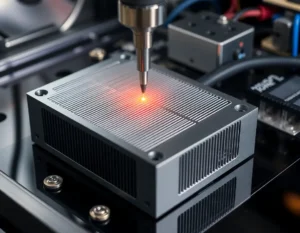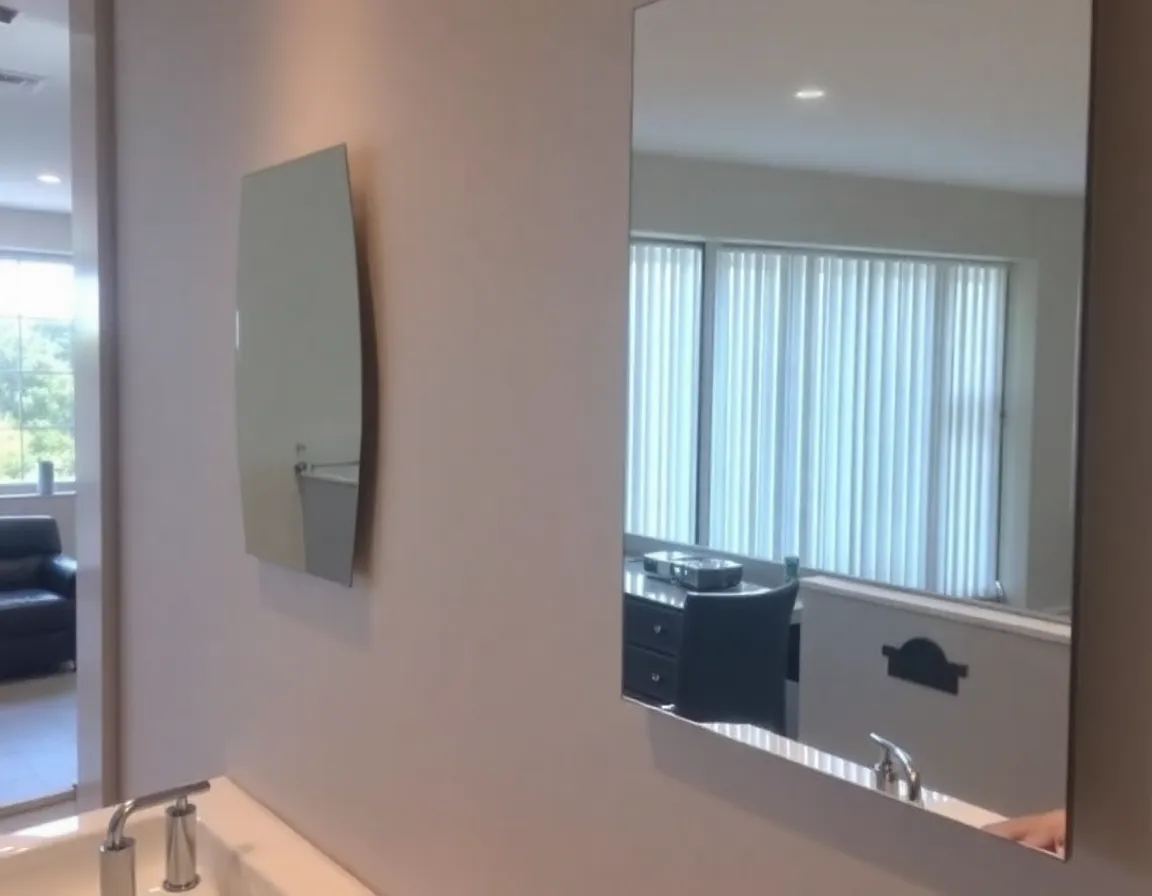
Translate mirror finish into an acceptance reference
Mirror polishing services need a clear visual or technical reference because mirror can describe different appearance expectations. Identify the material, target faces, viewing conditions and approved sample or specification. State whether the request applies to all faces or only selected surfaces.
Protect dimensions and edges
Mark critical dimensions, sharp edges, holes, engraving and mating features that need protection or inspection. Clarify whether measurements are taken before or after polishing. If a surface roughness or other numerical value is required, include the value, units and measurement method rather than assuming visual appearance defines it.
Control the final inspection
Specify the inspection lighting or comparison conditions if appearance is critical. Identify permissible handling marks, packaging and any downstream finish. Provide the current drawing revision, quantity and approval process for the reference sample.
For general treatment scope, see les services de finition de surface CNC. For a blasted appearance, see services de sablage aux billes.
Polishing RFQ checklist
- Révision du matériau et du plan
- Target surfaces and visual or numeric reference
- Edges, engraving and dimensions to protect
- Inspection conditions and acceptance evidence
- Packaging and sample approval requirements
Confirm what constitutes an acceptable finish before production rather than relying on the phrase mirror polish alone.