In the high-octane world of FPV (First-Person View) drone racing and freestyle, the margin between victory and a crash is measured in milliseconds and millimeters. Pilots relentlessly seek every possible advantage: shedding grams of weight, balancing thrust, and perfecting aerodynamics. While carbon fiber frames and cutting-edge electronics dominate the spotlight, a silent revolution is occurring in the foundation of these machines—the precision machining of critical metal components. The shift from generic, stamped parts to custom, Computer Numerical Control (CNC) machined pieces is redefining the limits of performance, durability, and customization for serious pilots.
The Art and Science of CNC Machining for FPV
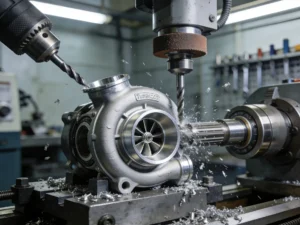
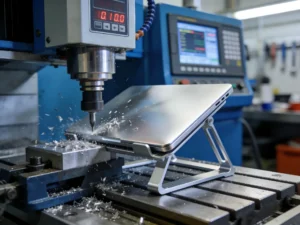
CNC machining is a subtractive manufacturing process where computer-controlled machines use precise cutting tools to remove material from a solid block—known as a billet—to create a finished part. For FPV drones, this process is typically applied to metals like aluminum (often 6061 or 7075 alloys), titanium, and sometimes stainless steel. Unlike molded or cast parts, CNC machining allows for extraordinary complexity, tight tolerances, and exceptional material integrity.
How Precision Parts are Born
The journey begins with a detailed 3D CAD (Computer-Aided Design) model of the component. This digital blueprint is then translated into machine instructions (G-code) that dictate every movement of the CNC mill or lathe. High-speed spindles rotate cutting tools at thousands of RPM, meticulously carving the billet into its final form. For FPV parts, this often involves complex 3-axis or even 5-axis machining to create intricate geometries with lightweighting pockets, precise screw threads, and smooth bearing surfaces that are impossible to achieve with other methods at this scale.
Key Machined Components in an FPV Drone
While frames remain carbon fiber, numerous load-bearing and connection points benefit immensely from CNC metalwork:
- Motor Mounts: The critical interface between the carbon fiber arm and the high-torque motor. CNC mounts ensure perfect perpendicular alignment, dissipate heat efficiently, and prevent flex that robs power.
- Camera Tilts and Mounts: Precision-machined camera plates allow for exact, vibration-free angle adjustments down to a fraction of a degree, crucial for maintaining the pilot's horizon line during aggressive maneuvers.
- Flight Controller & ESC Stack Plates/Standoffs: These create the rigid "stack" at the drone's heart. CNC aluminum standoffs provide electromagnetic shielding, superior vibration damping, and a robust structure to protect sensitive electronics.
- Armor Plates, GoPro Mounts, and Antenna Holders: Custom-designed, machined parts offer unparalleled protection for key components and allow for secure, aerodynamic mounting of action cameras and VTX antennas.
- Specialized Hardware: Custom motor bolts, nut sliders, and hinge pins can all be machined to exact specifications for a perfect fit and reduced weight.
Why Precision Machining is a Game-Changer for Performance
The benefits of integrating CNC machined parts into an FPV build are tangible, directly translating to better flight characteristics and pilot confidence.
Unmatched Rigidity and Vibration Damping
Vibration is the enemy of clean flight controller data and clear FPV video. Poorly fitted or flexible parts create resonant frequencies that confuse gyros and cause "jello" in the video feed. CNC parts, with their perfect fit and inherent stiffness of solid metal, eliminate play and absorb high-frequency vibrations far more effectively than plastic or poorly cast metal, leading to smoother flight and sharper video.
Optimal Weight-to-Strength Ratio
Through intelligent design, machinists can strategically remove material only where it is not needed, creating intricate lattice structures or pockets that significantly reduce weight without compromising strength. Every gram saved improves the drone's thrust-to-weight ratio, increasing acceleration, top speed, and flight time.
Superior Durability and Crash Resilience
A high-quality 7075 aluminum CNC motor mount can withstand impacts that would snap a plastic or thin metal counterpart. While they may be a premium investment, they often save money in the long run by protecting more expensive components like motors and carbon fiber arms in a crash. The ability to withstand repeated impacts is invaluable for freestyle pilots.
Ultimate Customization and Aesthetic Appeal
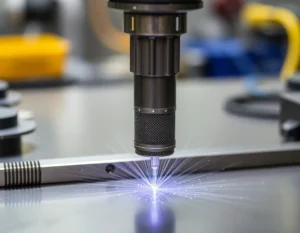
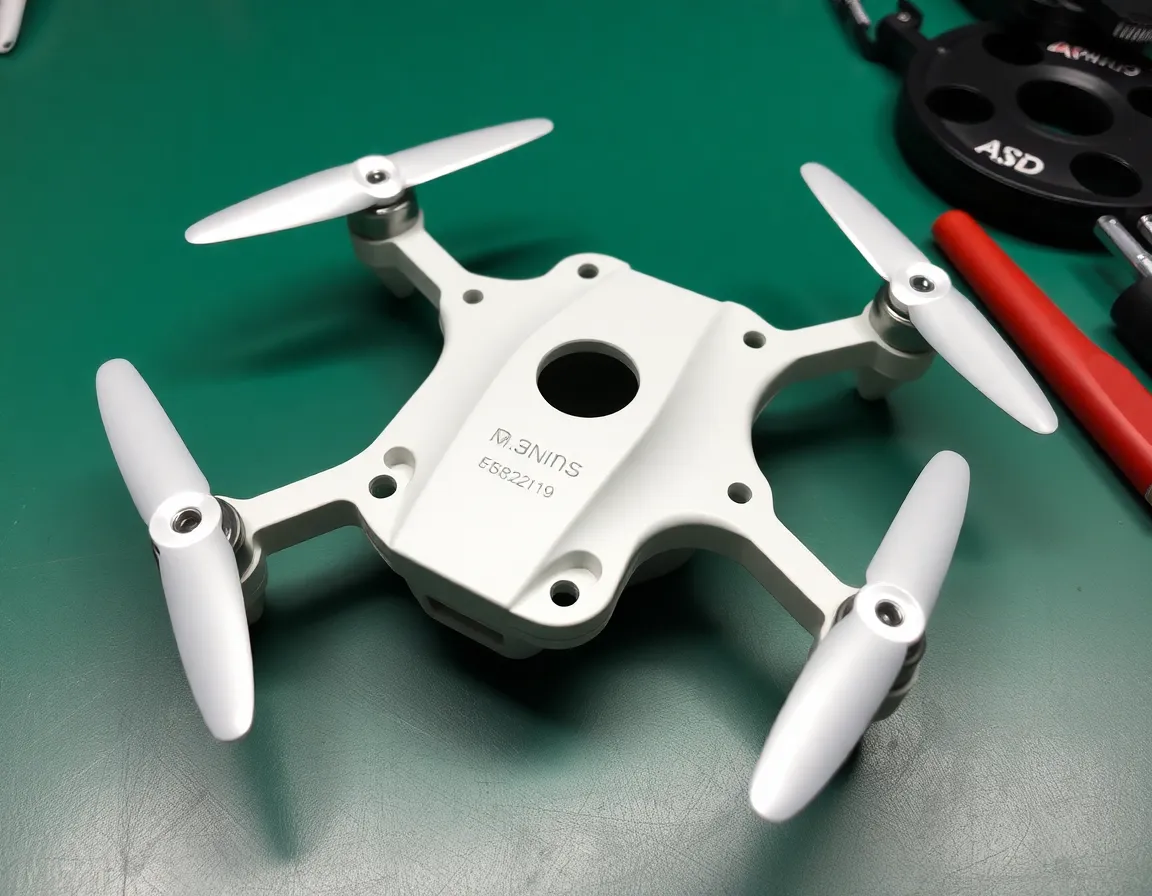
CNC machining unlocks complete design freedom. Pilots and manufacturers can create parts tailored for specific frames, motors, or flying styles. This includes proprietary mounting solutions, integrated weight savings, and even personalized logos or text. The aesthetic result—a sleek, anodized piece of aerospace-grade aluminum—also adds a professional, high-end look to any build.
Applications: From Weekend Warriors to Professional Pilots
The use of precision machined parts spans the entire FPV spectrum, but its value proposition shifts for different users.
Competitive Racing
In racing, consistency and reliability are paramount. Every component must perform identically lap after lap. CNC parts ensure that motor alignment is perfect, reducing uneven thrust that can cause drift. The vibration reduction provides the flight controller with cleaner data for more accurate control, allowing pilots to push their drones to the very edge of stability without fear of a failure induced by part flex or failure.
Cinematic and Long-Range FPV
For pilots capturing cinematic footage or embarking on long-range expeditions, reliability is non-negotiable. A failure miles from home means a lost drone and equipment. The durability and precision of machined components, especially in critical areas like motor mounts and camera systems, provide peace of mind. Furthermore, the ability to create custom mounting solutions for heavy cinema cameras or specialized GPS/telemetry modules is a key advantage.
High-End Freestyle
Freestyle pilots subject their drones to extreme forces—high-G turns, rapid directional changes, and inevitable crashes. The combination of lightweight design and extreme strength offered by CNC parts allows for more aggressive flying and quicker recovery from impacts. A bent motor mount can end a flying session; a robust CNC one often allows the pilot to simply replace a prop and continue.
Best Practices for Integrating CNC Parts into Your Build
To fully leverage the advantages of machined components, careful selection and installation are crucial.
Selecting the Right Material and Finish
Understand the material options. 6061 Aluminium is a great all-rounder, offering good strength and machinability. 7075 Aluminium is significantly stronger (comparable to many steels) and is the preferred choice for high-stress parts like motor mounts, though it is more expensive. Titan offers an exceptional strength-to-weight ratio and corrosion resistance but at a premium cost, often reserved for critical hardware. Anodized finishes not only add color but also provide a hard, corrosion-resistant surface layer.
Precision Assembly is Key
The accuracy of a CNC part is wasted if it is assembled poorly. Always use the correct tool, such as a quality hex driver that fits snugly to avoid stripping screws. Employ thread-locking compound (like Loctite 242) on all metal-to-metal fasteners to prevent vibrations from loosening them over time. Follow manufacturer-recommended torque values if provided to avoid damaging threads or carbon fiber.
Compatibility and Design Considerations
When purchasing aftermarket CNC parts, verify compatibility with your specific frame, motor bolt pattern (e.g., 16x16mm, 25x25mm), and stack size. Consider the overall design philosophy: a part with large weight-saving cutouts might be perfect for a ultralight racer but could be less ideal for a heavy-duty freestyle build meant to withstand concrete impacts.
Maintenance and Inspection
After significant crashes, make it a habit to inspect machined parts for hairline cracks, especially around screw holes. While they are durable, they are not indestructible. Check for any bends in motor mounts by ensuring all motors are still perfectly aligned. Clean threads with alcohol if old threadlocker residue builds up.
In conclusion, the integration of precision CNC machined parts represents the pursuit of perfection in FPV drone engineering. It moves beyond the realm of hobbyist assembly into the domain of professional-grade mechanical design. For pilots who demand the ultimate in performance, reliability, and customization, these meticulously crafted components are not just an upgrade—they are a fundamental building block for a drone that performs predictably at the limit, crash after crash. As the FPV industry continues to mature, the role of advanced manufacturing techniques like CNC machining will only grow, pushing the boundaries of what these incredible flying machines can do.