
Finding reliable services for sandblasting metal parts is a top priority for manufacturers, fabricators and industrial operators across Malaysia. Whether you operate in Johor Bahru or search for local providers nearby, understanding how to select the right service, equipment and partner directly impacts your finished component quality, production timeline and long-term operational costs. This in-depth guide walks you through every critical detail to help you make confident, cost-effective decisions for abrasive surface treatment and metal finishing projects.
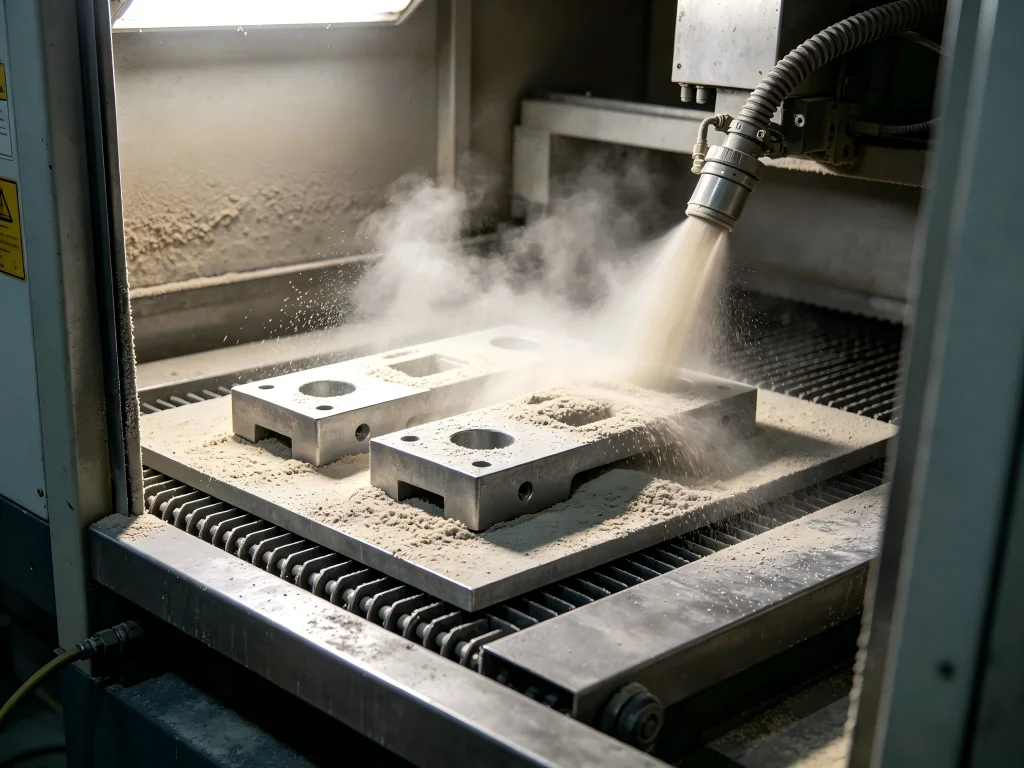 1. What Is Sandblasting Metal Parts & How Does It Work
Before comparing options or contacting local service teams, it is essential to clarify the basic definition and working mechanism behind sandblasting metal parts. Many new industrial buyers confuse this process with regular cleaning or basic surface grinding, but it serves unique functional and aesthetic purposes for metal components.
1.1 Basic Definition
Sandblasting, also widely referred to as abrasive blasting, is a mechanical surface preparation technique that uses high-pressure streams of abrasive media to treat metal surfaces. The process removes unwanted layers, reshapes surface texture and prepares metal for subsequent treatments such as painting, coating, plating or corrosion protection. When applied to metal parts, it can address surface imperfections that manual cleaning or light machining cannot eliminate efficiently.
Different from chemical cleaning solutions, this physical blasting method creates a uniform surface profile without introducing chemical residues. It works on nearly all common industrial metals, including steel, aluminum, stainless steel, brass and alloy materials used in CNC machining, automotive production and general hardware manufacturing.
1.2 Core Working Principle
The entire operation follows a clear physical workflow that can be broken down into simple stages. Every professional sandblasting machine in Malaysia operates based on this same fundamental logic, regardless of size or industrial grade.
- Media Loading: Operators load selected abrasive materials such as silica sand, glass beads, aluminum oxide or garnet into a sealed blasting machine hopper. The choice of media depends on metal hardness, desired surface finish and project requirements.
- Pressure Generation: An air compressor builds high-pressure compressed air, which acts as the driving force to push abrasive media forward. Pressure settings are adjustable to avoid damaging thin or high-precision metal parts.
- High-Speed Projection: Mixed air and abrasive particles travel through a specialized nozzle at extremely high velocity. The nozzle design controls the spray range and impact strength.
- Surface Impact & Material Removal: Fast-moving abrasive grains strike the metal surface repeatedly. The impact strips away rust, scale, old paint, oxidation, burrs and uneven surface layers left from CNC cutting, welding or forging.
- Surface Texturing: Beyond cleaning, consistent impact creates a controlled matte or textured surface. This texture improves adhesion for coatings, paints and protective films applied in later production steps.
- Residue Collection: Modern setups include dust collection systems to capture used media and metal dust. This step supports workplace safety, environmental compliance and partial media recycling to cut operational expenses.
Many industrial professionals on Reddit and local Facebook industrial groups note that improper pressure or media selection is the most common cause of damaged metal components during blasting. Even powerful sandblasting machine malaysia units can ruin precision parts if operators do not adjust settings according to metal type and part thickness.
2. Key Application Scenarios for Abrasive Blasting on Metal Components
Abrasive blasting services, including those offered by abrasive blasting & coating sdn bhd and local service teams in Johor Bahru, serve a wide range of industrial sectors. Each industry has distinct requirements for surface finish, blasting intensity and post-blasting processing. Understanding these use cases helps you match service capabilities to your own project goals.
- Automotive Manufacturing & Repair: Automotive frames, engine components, wheel rims and chassis parts regularly undergo blasting to remove rust and old coatings. A properly treated surface ensures durable paint adhesion and long-term corrosion resistance for vehicles operating in humid Malaysian weather.
- CNC Machining & Metal Fabrication: After CNC cutting, milling or turning, metal parts often have sharp burrs, tool marks and uneven surfaces. Sandblasting smooths these imperfections without altering critical part dimensions, making it a standard finishing step for custom machined components from suppliers like Jucheng.
- Mold & Die Production: Industrial molds for plastic, rubber and metal casting require ultra-clean surfaces and controlled texture. Blasting removes carbon deposits and wear marks, extending mold service life and improving the surface quality of finished molded products.
- Construction & Structural Metalwork: Steel beams, metal brackets, fencing and structural hardware used in construction need effective rust removal. Blasting prepares these parts for anti-rust coatings to withstand outdoor exposure across Malaysia’s tropical climate.
- Marine & Offshore Equipment: Marine-grade metal parts face constant exposure to saltwater and moisture. Abrasive blasting eliminates existing corrosion and creates an ideal base for heavy-duty marine coatings, preventing rapid deterioration.
- General Hardware & Consumer Metal Goods: Small metal hardware, fasteners, decorative metal pieces and household metal products use blasting for both functional cleaning and uniform matte aesthetic finishes.
Local business owners searching for sandblasting metal parts near me usually belong to one or more of the above industries. In Johor Bahru, a busy industrial hub, automotive and CNC fabrication businesses make up the largest group of regular clients for abrasive blasting services.
3. Critical Factors to Consider When Choosing Sandblasting Services or Equipment
Selecting the right service provider or investing in a reliable sandblasting machine malaysia unit requires careful evaluation of multiple factors. This section acts as a practical decision-making framework, comparing key considerations so buyers can avoid common mistakes and select the most suitable option for long-term use. We have compiled real feedback from industrial buyers across Facebook industrial communities and local business forums to outline these essential evaluation points.
3.1 Comparison Table: Core Selection Factors for Buyers
| Evaluation Factor | Standard Service / Basic Machine | Premium Industrial Service / Professional Machine | Impact on Your Project |
| Surface Precision Control | Fixed pressure settings, limited texture options | Fully adjustable pressure, multiple nozzle choices, customized surface profiles | May damage high-precision CNC parts; ideal for general use | Preserves dimensional accuracy for tight-tolerance components |
| Material Compatibility | Works mainly on thick steel and heavy metal | Compatible with steel, aluminum, stainless steel, thin alloys and soft metals | Cannot handle delicate or thin metal parts | Suits diverse material requirements for mixed production lines |
| Dust & Safety System | Basic ventilation, minimal dust collection | Closed-loop dust collection, full safety enclosures, PPE support | Higher workplace health risks, may fail local safety regulations | Compliant with Malaysian industrial safety standards, safer for staff |
| Delivery & Turnaround | Longer lead times, flexible scheduling | Dedicated production lines, fast turnaround for urgent orders | Suitable for non-urgent bulk orders | Perfect for time-sensitive manufacturing and short-deadline projects |
| Quality Consistency | Variations across batches, manual operation dependent | Semi-automated processes, standardized operating procedures | Risk of uneven finishes across product batches | Uniform results for every batch, stable product quality |
| Certifications & Compliance | Basic business registration only | Full industrial operation certifications, coating process qualifications | Not recommended for formal industrial supply chains | Approved for large corporate and government-linked projects |
3.2 Detailed Breakdown of Each Selection Factor
Beyond the comparison table, each factor needs deeper explanation to guide on-the-ground purchasing decisions.
Surface Precision and Dimensional Control
For businesses producing CNC machined parts, even minor material loss during blasting can cause parts to fail tolerance checks. Basic blasting setups use fixed high pressure, which may remove too much material from thin or small components. Professional providers and industrial machines allow operators to lower pressure, switch to fine abrasive media and use soft blasting techniques. This ensures the metal part’s critical dimensions stay within design specifications. Many machinists on Reddit share stories of rejected product batches caused by careless blasting, making precision control a top priority.
Material and Media Selection
Different metals require different abrasive media. Hard steel can handle coarse sand or aluminum oxide, while soft aluminum and thin alloy parts need gentle media like glass beads to prevent surface scratching or material erosion. A reliable service provider or equipment supplier should offer a full range of media options and professional advice on media matching. If a provider only uses one type of abrasive for all metals, they may not be equipped for complex custom projects.
Workplace Safety and Environmental Compliance
Malaysian industrial regulations set clear rules for dust control in abrasive blasting work. Fine metal dust and silica particles create health hazards for workers. Quality services and machines feature fully enclosed blasting booths and powerful dust extractors. When you search for sandblasting metal parts near me, always verify the provider’s safety facilities first. Non-compliant operations can face fines and production shutdowns, which will delay your entire project schedule.
Order Turnaround and Production Capacity
Production speed directly affects your supply chain efficiency. Small local workshops may struggle with large bulk orders or rush jobs. Established providers with multiple blasting stations can handle high-volume orders while maintaining fast delivery. For companies in Johor Bahru that serve cross-border clients, stable and fast turnaround becomes even more important to meet international shipping schedules.
Batch Consistency
Mass production requires identical surface finishes across every part. Manually operated basic equipment leads to inconsistent results due to human error. Semi-automated industrial systems follow fixed operating parameters for every batch, so every metal part receives the same blasting treatment. This consistency is vital for brands that maintain strict product appearance standards.
Business Qualifications and Industry Certifications
If you supply parts to large manufacturers, automotive brands or government projects, your blasting partner must hold valid industrial certifications. Qualified teams from operators like abrasive blasting & coating sdn bhd can also combine blasting with follow-up coating services, creating a one-stop solution and reducing coordination work between multiple vendors.
4. Installation and Daily Maintenance Tips for Blasting Equipment & Workstations
If your business plans to invest in a sandblasting machine malaysia unit for in-house use, proper installation and regular maintenance directly extend equipment lifespan and keep operation stable. Even high-quality industrial machines will develop faults without routine care. Below are practical, easy-to-follow guidelines for setup and daily upkeep.
4.1 Professional Installation Guidelines
- Site Selection: Choose a well-ventilated, dedicated workspace separated from regular machining and assembly areas. The area must have stable flooring to support heavy machinery and enough space for part loading, blasting and finished part storage.
- Power and Air Connection: Match the machine’s power voltage to local industrial power supply. Connect the air compressor with high-pressure resistant pipes, and check for air leaks before trial operation. Weak air pressure will reduce blasting efficiency and create uneven surface treatment.
- Dust System Installation: Install dust collection ducts and filters according to the manufacturer’s instructions. Test the full dust extraction system before processing any metal parts to avoid dust accumulation inside the workspace.
- Safety Barriers and Signage: Set up physical barriers around the blasting zone and post clear safety warning signs. Prepare complete personal protective equipment for all operators entering the work area.
- Trial Run: Conduct an empty machine test run for 10 to 15 minutes. Check for unusual noise, pressure fluctuations or system errors. Only start formal production after the trial run completes smoothly.
4.2 Daily and Routine Maintenance Practices
- Daily Inspection: Before starting work each day, check nozzles, hoses and air pressure gauges. Worn nozzles affect blasting accuracy and should be replaced immediately.
- Media and Dust Removal: After each work shift, clean out leftover abrasive media and collected dust. Blocked dust filters reduce suction power and create safety risks.
- Lubrication: Follow the equipment manual to apply lubricant to moving parts and bearings on a weekly basis. Proper lubrication prevents mechanical wear and unexpected breakdowns.
- Component Replacement Schedule: Keep a maintenance log for wearable parts such as nozzles, seals and filter cartridges. Replace these components on a fixed schedule instead of waiting for complete failure.
- Full System Deep Cleaning: Perform a thorough deep clean of the entire blasting booth and internal systems every month. This prevents media buildup and corrosion inside the machine structure.
Many equipment owners on industrial discussion groups mention that simple daily maintenance can double the service life of a standard blasting machine. Skipping small checks often leads to costly emergency repairs and unplanned production stops.
5. Frequently Asked Questions About Sandblasting Metal Parts
These are the most common questions collected from local business inquiries, Facebook industrial groups and Google search queries for services related to sandblasting metal parts, sandblasting johor bahru and sandblasting metal parts near me. Each answer addresses real concerns from industrial buyers and part manufacturers.
FAQ 1: Will sandblasting change the size or tolerance of precision metal parts?
It could alter part dimensions if operated incorrectly. When using proper low-pressure settings and fine abrasive media, professional blasting will not affect standard CNC machining tolerances. For ultra-precise components, service providers can apply light surface blasting only to remove burrs and surface marks without removing base material.
FAQ 2: What is the difference between sandblasting and other metal cleaning methods?
Chemical cleaning relies on chemical solutions to dissolve dirt and rust, which may leave residues and cannot create a textured surface for coating adhesion. Manual grinding is slow and creates uneven surfaces. Abrasive blasting offers fast cleaning, uniform texturing and wide material compatibility, making it the preferred choice for industrial mass production.
FAQ 3: How long does a typical blasting order take in Johor Bahru?
Lead times may vary based on order volume, part size and required finish. Small batches can be completed within one to two working days. Large bulk orders usually take three to five working days. Established service teams can arrange priority processing for urgent customer requests.
FAQ 4: Can blasting be done on painted or rusted old metal parts?
Yes, this is one of the most common use cases. The high-speed abrasive stream effectively strips old paint layers, heavy rust and oxidation completely from metal surfaces. After blasting, the metal returns to a clean base state ready for repainting or protective coating.
FAQ 5: Is sandblasting safe for aluminum and soft alloy metals?
It may cause surface damage if using coarse media and high pressure. Operators need to switch to fine, gentle abrasive media and lower air pressure when working on aluminum and soft alloys. Professional service teams always adjust techniques according to metal material.
FAQ 6: Do I need to apply coating right after abrasive blasting?
In Malaysia’s humid climate, newly blasted metal surfaces can develop light oxidation quickly. It is recommended to apply paint, powder coating or anti-rust treatment within 24 hours after blasting to maintain the clean surface effect and prevent re-rust.
FAQ 7: What factors affect the overall cost of sandblasting services?
Total cost can be influenced by part quantity, metal type, surface condition, required finish standard and order turnaround speed. Complex parts with deep grooves or internal corners also require more working time, which may slightly increase service fees.
FAQ 8: Can one service provider offer both blasting and coating solutions?
Many local operators including abrasive blasting & coating sdn bhd provide combined services. Choosing an all-in-one provider simplifies communication, unifies quality standards and often reduces overall project costs compared to hiring separate vendors for each process.
6. Why Choose Jucheng for Your Metal Blasting & CNC Machining Projects
As a professional CNC machining and metal finishing provider operating at https://www.jccncmachining.com/, Jucheng integrates precision component production and full-range surface treatment services, including professional abrasive blasting for metal parts. For businesses searching for reliable partners for sandblasting metal parts in Malaysia and Johor Bahru, Jucheng delivers distinct advantages that separate it from ordinary local workshops.
First, Jucheng combines CNC machining and surface finishing under one roof. When you order custom machined metal parts, the team can complete blasting, texturing and pre-coating preparation in the same production line. This eliminates risks from multiple handovers between different vendors, shortens overall delivery cycles and locks in consistent quality from raw material to finished component. Clients no longer need to search separately for sandblasting metal parts near me after receiving machined goods.
Second, the company uses industrial-grade blasting equipment with fully adjustable pressure, multiple media options and complete dust control systems. All equipment meets Malaysian industrial safety and environmental regulations. The technical team has rich experience working with steel, aluminum, stainless steel and various alloy materials, so they can customize blasting solutions for thin parts, high-tolerance CNC components and heavy structural metal pieces alike. Every operator follows standardized operating procedures to ensure uniform finish across all production batches.
Third, Jucheng holds complete industrial operation qualifications and follows strict quality control protocols for every process. For clients supplying products to automotive, marine, construction and manufacturing industries, all finished parts and surface treatments meet industry acceptance standards. The team can also cooperate with clients to develop exclusive surface finish solutions for custom product requirements.
Fourth, located within Malaysia’s active industrial zone, the business supports stable order fulfillment and flexible scheduling. It handles both small custom orders and large-volume bulk production, with reasonable lead times suitable for local Johor Bahru clients and cross-border business partners. The customer service team provides professional technical consultation on material selection, surface finish design and process matching throughout the project.
Finally, the one-stop service model covers CNC machining, abrasive blasting and follow-up coating coordination. This integrated service model saves clients time on vendor management, reduces communication costs and makes the entire production process more efficient. Based on feedback from long-term business partners on local industrial social platforms, Jucheng’s combined machining and surface treatment services have become a trusted choice for medium and large manufacturers across the region.
7. Take Action for Your Next Metal Finishing Project
Whether you need professional sandblasting metal parts services, custom CNC machined components or combined surface treatment solutions, Jucheng stands ready to support your business goals. If you are located in Johor Bahru or anywhere across Malaysia and are looking for dependable local service providers, visit https://www.jccncmachining.com/ to learn more about full service ranges, production capabilities and past project cases. You may also send your part drawings, material requirements and finish specifications to the team for a detailed quote and professional technical advice. Secure consistent quality, efficient delivery and comprehensive industrial solutions for all your metal processing needs today.