
Selecting a tool steel machining partner could feel like navigating a maze. With multiple steel grades, varying heat treatment requirements, and a wide range of CNC machining capabilities available across different shops, the decision often becomes overwhelming. You might find yourself comparing quotes that look similar on paper, yet the final part quality tells a completely different story. This guide exists to help you cut through the confusion. Whether you are sourcing tool steel Malaysia for a local production line or evaluating an overseas precision machining partner, we will walk through the key decision factors, compare the most common tool steel grades, and show you what to look for in a machining provider.
In our experience working with engineers and procurement specialists across the automotive, aerospace, and tooling industries, the most successful projects share one thing in common: they started with a clear understanding of both the material requirements and the machining partner’s capabilities. Let us break this down in a way that helps you ask the right questions before you commit to a supplier.
Understanding Tool Steel: What Makes It Different?
Before we dive into the selection process, it helps to understand what tool steel actually is and why it demands such careful machining considerations. Tool steel refers to a family of carbon and alloy steels that are specifically formulated to be made into tools—not the kind you find in a homeowner’s garage, but industrial tools that cut, press, stamp, and form other materials, including other steels.
The “secret sauce” behind tool steel’s exceptional properties lies in three key factors: high carbon content, a rich recipe of alloying elements like chromium, vanadium, tungsten, and molybdenum, and a precise, complex heat treatment process. These elements work together to create a material that can withstand incredible pressure, extreme abrasion, and high temperatures day after day.
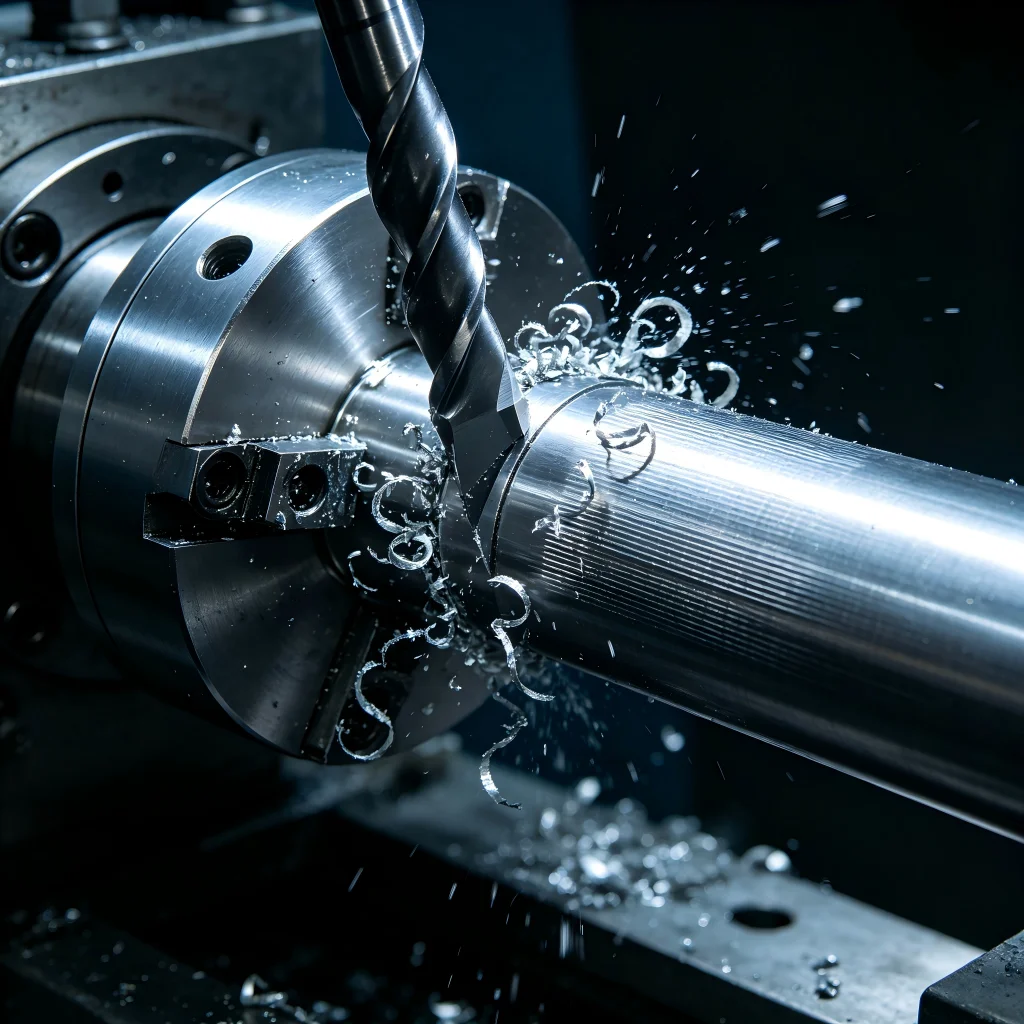
However, all the properties that make tool steel great also make it incredibly difficult to manufacture. Machining tool steel presents a significant challenge because it is so hard that it quickly wears down even the strongest cutting tools. This is why choosing the right machining partner matters more than you might think.
The Tool Steel Grades You Need to Know
Not all tool steels are created equal. Different grades offer different balances of hardness, toughness, wear resistance, and machinability. Understanding these differences is the first step in making an informed selection.
A2 Tool Steel: The Versatile All-Rounder
A2 tool steel machining is one of the most common requests we encounter. A2 is an air-hardening tool steel known for its versatility, non-deforming properties, and high level of toughness. It offers a good balance of toughness and wear resistance for general tooling applications.
When properly annealed, A2 has a machinability rating of approximately 60% compared to a 1% carbon steel rated at 100. This places it in the moderate machinability range—not the easiest to cut, but far from the most difficult. A2 is commonly used for punches, dies, cutting tools in woodworking, tooling for plastics, dowel pins, hammers, and industrial knives.
D2 Tool Steel: The Wear-Resistant Workhorse
D2 tool steel machining presents a different set of challenges. D2 is a high-carbon, high-chromium tool steel that serves as the global industry standard for cold work applications. It is renowned for its exceptional wear resistance and stability during heat treatment.
The trade-off? D2 is significantly harder to machine. Its machinability rating is approximately 27% compared to a 1% carbon steel. This means you could expect about one-quarter the tool life or production rate compared to machining a standard carbon steel. D2 is ideal for stamping dies, forming rolls, punches, shear blades, and food processing knives. It delivers hardened parts (60-62 HRC) that maintain a sharp edge over millions of cycles.
S7 Tool Steel: The Shock-Resistant Specialist
S7 tool steel machining is designed for applications where impact and shock loading, rather than wear, determine tool life. S7 is a versatile tool steel that contains relatively low levels of carbon compared to D2 and A2. It resists distortion during heat treatment and is very tough.
With a machinability rating of approximately 70% compared to a 1% carbon steel, S7 is among the more machinable tool steel grades. It is easy to machine in the annealed condition and can be readily heat treated. Common applications include punches, chisels, and tools that must withstand repeated impact.
Other Notable Grades
Beyond A2, D2, and S7, several other tool steel grades deserve mention. O1 is an oil-hardening grade that offers good machinability and is commonly used for blanking dies and room-temperature cutting tools. M2 is a high-speed steel that combines wear resistance and thermal resistance, making it suitable for cutting tools like taps and milling heads. H13 is a hot-work tool steel designed for applications involving high temperatures.
Tool Steel Machinability Chart: A Quick Reference
To help you compare grades at a glance, here is a tool steel machinability chart based on AISI ratings (with AISI/SAE 1212 free-cutting steel rated at 100%):
| Tool Steel Grade | Machinability Rating (%) | Key Characteristics | Typical Applications |
|---|---|---|---|
| A2 | 42% | Air-hardening, good toughness, minimal distortion | Punches, dies, woodworking tools, plastic tooling |
| D2 | 27% | High wear resistance, high carbon/chromium, air-hardening | Stamping dies, shear blades, forming rolls |
| S7 | 70% | Shock-resistant, tough, air-hardening | Impact tools, chisels, punches, hammers |
| O1 | 42% | Oil-hardening, good machinability | Blanking dies, cutting tools, gauges |
| M2 | 39% | High-speed steel, thermal resistance | Drill bits, taps, milling cutters, saw blades |
This tool steel machinability chart illustrates a crucial point: the same material properties that make a tool steel desirable for its end use also make it more difficult to machine. D2 offers the highest wear resistance but the lowest machinability. S7 offers excellent shock resistance with relatively good machinability. Understanding this trade-off is essential when selecting both the material and the machining partner.
What to Look for in a Tool Steel Machining Partner
Once you have selected the appropriate grade, the next decision is choosing who will machine it. Here are the critical factors to evaluate:
Equipment and Capacity
The quality of tool steel cutting depends heavily on the machines being used. Look for a partner with a substantial fleet of CNC machines, including multi-axis capabilities. Shops with 3, 4, and 5-axis milling, turning, and grinding equipment can handle complex geometries and tight tolerances. The presence of 5-axis centers is particularly important for intricate tool steel components that require machining from multiple angles.
For context, some leading precision machining providers operate 150+ CNC machines, including 25+ 5-axis centers. This scale matters because it indicates the shop can handle both prototyping and production volumes without compromising quality or delivery timelines.
Certifications and Quality Standards
Certifications provide objective evidence of a shop’s commitment to quality. IATF 16949 (automotive) and ISO 13485 (medical) certifications are particularly relevant for industries with stringent quality requirements. These certifications require documented quality management systems, rigorous inspection processes, and full traceability.
When evaluating a potential partner, ask about their quality control measures. The best shops implement rigorous quality control processes to ensure dimensional accuracy and conduct inspections using precision measuring tools to verify tolerances. They maintain comprehensive documentation, including material certifications and machining parameters.
Tool Steel Machining Expertise
Not every CNC shop has the experience or knowledge to machine tool steel effectively. Tool steel cutting requires specific strategies that differ from machining standard structural alloys. Look for a partner that demonstrates specialized knowledge in:
- Hard milling: The ability to machine tool steel after it has been hardened, ensuring zero heat-treat distortion errors for critical features
- EDM and wire cutting: For intricate die shapes and sharp internal corners that cannot be milled
- Precision grinding: Surface and cylindrical grinding to achieve flat and round bearing surfaces with tight tolerances
- Heat treatment partnerships: Working with certified heat treaters to perform vacuum hardening and tempering
The shop should also understand the importance of machining in the annealed state (approximately 20-25 HRC) for the majority of material removal, leaving a small stock allowance (around 0.2mm) for finishing after heat treatment. This two-step approach is essential for achieving final dimensions without compromising the material’s hardened properties.
Lead Times and Communication
In our experience, lead time is often a deciding factor, particularly for prototyping and urgent production runs. A responsive partner should provide quotations and Design for Manufacturing (DFM) feedback within 24 hours of receiving your project files. This rapid turnaround indicates efficient internal processes and a commitment to customer service.
Clear communication about material sourcing, machining parameters, and quality expectations prevents misunderstandings that could delay your project. Look for shops that offer transparent project tracking and proactive updates on production status.
Common Tool Steel Machining Challenges and Solutions
Even with the right partner, tool steel machining presents inherent challenges. Understanding these challenges helps you set realistic expectations and evaluate potential partners more effectively.
Tool Wear
Rapid tool material wear due to friction and hardness is one of the most significant challenges in machining tool steel. The hardness of tool steel accelerates cutting tool degradation, increasing production costs and potentially affecting part quality.
Solution: Look for a machining partner that monitors tool wear regularly and replaces cutting tools as needed to maintain machining accuracy. The use of advanced tool coatings like TiN or TiAlN can enhance lubricity and reduce friction, prolonging tool life.
Heat Generation
Using excessively high cutting speeds generates heat that can ruin the steel or dull cutting tools rapidly. Heat management is critical for maintaining both tool life and part integrity.
Solution: An experienced shop will implement optimized cutting speeds, feeds, and depth of cuts. Coolant systems are essential for managing the heat generated during machining. The shop should also be capable of optimizing low-speed cutting strategies for hard materials.
Surface Finish Requirements
Tool steel components often require specific surface finishes, particularly for molds, dies, and cutting tools. Achieving these finishes while maintaining dimensional accuracy requires precision and experience.
Solution: Multi-axis CNC machining enables complex geometries and intricate details. High-speed machining techniques can improve efficiency and surface finish. The shop should also offer surface treatment options like nitriding to improve surface hardness and corrosion resistance.
Real-World Applications: Where Tool Steel Machining Matters
Tool steel examples appear across virtually every manufacturing industry. Understanding these applications helps contextualize why material selection and machining quality matter so much.
Automotive Industry
The automotive sector relies heavily on tool steel for stamping dies, forming tools, and cutting implements used in high-volume production lines. Components like blanking punches, forming rolls, and shear blades must withstand millions of cycles without significant wear. This is where D2 tool steel machining becomes essential—its exceptional wear resistance ensures consistent part quality over extended production runs.
Aerospace and Defense
In aerospace, tool steel is used for precision tooling and components that must meet extreme performance requirements. The industry demands tight tolerances, reliable material properties, and comprehensive traceability. Tool steel is widely used in the aerospace, automotive, and tooling industries for manufacturing cutting tools, dies, and precision components.
Mold and Die Making
Injection molds for plastic parts must withstand immense pressure and high temperatures while maintaining a very hard, polished surface that can produce millions of parts without wearing out. Similarly, stamping dies used to cut shapes from sheet metal must be harder than the metal they are cutting. Only tool steel can meet these demanding requirements.
Medical Device Manufacturing
Medical device manufacturing requires precision components with exceptional surface finishes and dimensional accuracy. Tool steel is used for surgical instruments, implant manufacturing tooling, and medical mold components. The FDA and ISO 13485 requirements for traceability and quality control make the choice of machining partner particularly critical in this industry.
The Jucheng Advantage: What Sets a Top-Tier Partner Apart
When evaluating potential machining partners, it helps to understand what distinguishes exceptional shops from average ones. Based on our research and industry feedback, here are the key differentiators to look for.
Specialized Capabilities for Tool Steel
Not all CNC shops are equipped to handle the specific demands of tool steel. The best partners don’t just machine soft steel; they specialize in hard milling and precision grinding of tool steels. This specialization means they understand the nuances of different grades, the appropriate cutting strategies, and the importance of heat treatment integration.
For example, when machining D-series tool steels, an experienced shop will perform 90% of the material removal while the steel is in the annealed state (approximately 20-25 HRC), then finish-machine or grind the part after heat treatment (60-62 HRC) to achieve final dimensions. This two-stage approach prevents heat-treat distortion and ensures dimensional accuracy.
Comprehensive Quality Systems
Top-tier machining partners maintain rigorous quality systems with documented processes and full traceability. They implement quality control measures that ensure dimensional accuracy and conduct inspections using precision measuring tools to verify tolerances. They maintain comprehensive documentation, including material certifications and machining parameters, establishing traceability for each component.
Leading providers hold certifications like IATF 16949 and ISO 13485, which demonstrate their commitment to quality management systems. These certifications are particularly important for industries like automotive and medical, where quality failures have serious consequences.
Scale and Capacity
Scale matters in precision machining. Shops with extensive equipment fleets can handle both prototyping and production volumes without compromising quality or delivery timelines. A manufacturing powerhouse featuring 150+ CNC machines (including 25+ 5-axis centers), 30+ sheet metal fabrication units, 50+ industrial 3D printing systems, and 35+ injection presses can accommodate projects of virtually any scale.
This capacity also enables faster turnaround times and more competitive pricing through economies of scale. When you need to move from prototype to production quickly, having a partner with substantial capacity makes a significant difference.
Expert Engineering Support
The best machining partners provide more than just machine time—they offer engineering expertise that helps you optimize your design for manufacturability. With 190+ skilled professionals, including 30+ senior engineers with 13+ years of experience, top-tier shops can provide DFM feedback that reduces costs and improves part quality.
This engineering support is particularly valuable for tool steel machining projects, where material selection, heat treatment planning, and machining strategy all interact to determine the final result. Getting these decisions right the first time saves money and accelerates your time to market.
Making Your Decision: A Practical Framework
By now, you have a comprehensive understanding of the factors that matter in choosing a tool steel machining partner. Here is a practical framework to guide your decision:
Step 1: Define Your Requirements
Start by clearly documenting your project requirements:
- What tool steel grade do you need (A2, D2, S7, or another)?
- What are the dimensional tolerances and surface finish requirements?
- What is the production volume (prototype, low-volume, or high-volume)?
- What certifications or quality standards must the supplier meet?
- What is your target lead time and budget?
Step 2: Evaluate Potential Partners
Create a shortlist of potential machining partners and evaluate them against these criteria:
- Equipment and technical capabilities (multi-axis CNC, EDM, grinding)
- Experience with your specific tool steel grade
- Quality certifications and inspection processes
- Engineering support and DFM capabilities
- Lead times and communication responsiveness
- References and customer reviews
Step 3: Request and Compare Quotes
When requesting quotes, provide complete information including 2D and 3D files, material specifications, and quality requirements. This enables accurate quoting and reduces the risk of misunderstandings. Look for partners who provide detailed quotes with clear breakdowns of costs and timelines.
Step 4: Verify Quality
Before committing to production, verify the partner’s quality through sample parts or reference checks. Review their inspection reports and quality documentation. If possible, visit the facility or request a virtual tour to see their equipment and processes firsthand.
Frequently Asked Questions About Tool Steel Machining
1. What is the best tool steel for machining?
The “best” grade depends on your application. For general-purpose tooling with good machinability, A2 is often recommended. For applications requiring maximum wear resistance, D2 is the industry standard despite its lower machinability. For impact-resistant applications, S7 offers excellent toughness with relatively good machinability. Consider the trade-offs between wear resistance, toughness, and machinability when making your selection.
2. How does heat treatment affect tool steel machining?
Heat treatment significantly affects machinability. Tool steel is typically machined in the annealed (soft) state for the majority of material removal, then hardened through heat treatment, and finally finish-machined or ground to final dimensions. This two-stage approach prevents distortion and ensures dimensional accuracy. Heat treatment transforms the internal crystal structure into a hard, stress-resistant state called martensite.
3. What cutting speeds should I use for tool steel?
Tool steel cutting speed varies by grade and condition. For annealed tool steel, cutting speeds typically range from 80-250 m/min depending on the specific grade and cutting tool material. Hardened tool steel requires significantly lower speeds to prevent excessive tool wear and heat generation. Always consult a tool steel machinability chart for grade-specific recommendations and adjust based on your specific machining conditions.
4. Why is D2 tool steel so hard to machine?
D2 tool steel contains high carbon (1.5%) and high chromium (12%). These alloying elements form hard chromium carbides within the steel’s microstructure, providing exceptional wear resistance. However, these same carbides are abrasive to cutting tools, accelerating tool wear and reducing machinability. D2 has a machinability rating of only 27% compared to a 1% carbon steel, making it one of the more difficult tool steels to machine.
5. What is the difference between high-speed steel and tool steel?
High-speed steel (HSS) is actually a subset of tool steel. HSS is specifically formulated for cutting tools and can withstand higher temperatures without losing its temper. HSS can achieve three to four times higher cutting speeds compared to common tool steel. However, HSS is typically 2 to 3 times more expensive than standard tool steel due to its complex alloy content and sophisticated manufacturing processes.
6. How do I prevent tool wear when machining tool steel?
Preventing tool wear requires a multi-faceted approach: use appropriate cutting speeds and feeds, apply adequate coolant to manage heat, select cutting tools with appropriate coatings (like TiN or TiAlN), monitor tool wear regularly, and replace tools as needed. Machining in the annealed state for roughing operations also reduces tool wear compared to machining hardened material.
7. What industries commonly use tool steel machining?
Tool steel machining serves virtually every manufacturing industry. Key sectors include automotive (stamping dies, forming tools), aerospace (precision tooling, components), mold and die making (injection molds, stamping dies), medical device manufacturing (surgical instruments, implant tooling), and general manufacturing (cutting tools, machine components).
8. How do I choose between A2, D2, and S7 tool steel?
Choose A2 when you need a good balance of toughness and wear resistance for general tooling applications. Choose D2 when wear resistance is the priority and you can accept lower machinability. Choose S7 when impact and shock loading determine tool life. Consider your specific application requirements, production volume, and tolerance for machining difficulty when making your selection.
Conclusion: Making the Right Choice for Your Project
Selecting the right tool steel machining partner is a decision that affects your product quality, production timelines, and ultimately your bottom line. By understanding the different tool steel grades, their machinability characteristics, and the capabilities you should look for in a machining partner, you position yourself to make an informed decision.
Remember that the lowest quote is not always the best value. Consider the total cost of ownership, including part quality, delivery reliability, and the engineering support that helps you optimize your design for manufacturability. A partner with the right equipment, expertise, and quality systems will deliver parts that meet your specifications consistently, reducing rework and scrap costs over the long term.
When you are ready to move forward with your tool steel machining project, we encourage you to evaluate potential partners thoroughly. Request quotes from multiple shops, review their quality certifications and inspection processes, and ask for references from customers with similar requirements. The time you invest in partner selection will pay dividends in project success.
For projects requiring precision tool steel machining with tight tolerances and demanding quality requirements, Jucheng offers the specialized capabilities, extensive equipment fleet, and engineering expertise to deliver results you can count on. With IATF 16949 and ISO 13485 certifications, 150+ CNC machines, and a team of experienced engineers, Jucheng is equipped to handle projects from prototyping through production. Their specialization in hard milling and precision grinding of tool steels ensures that your components meet the most demanding specifications.
Request a quote for your project by submitting your 2D and 3D files—you could expect a quotation and DFM feedback within 24 hours. Whether you are sourcing tool steel Malaysia or from anywhere else in the world, the right machining partner makes all the difference in turning your design into reality.