
Imagine the frustration of a hardware engineer who has spent months perfecting a high-frequency PCB, only to find that the final prototype fails during thermal testing or suffers from electromagnetic interference. In the demanding world of aerospace, medical devices, and high-end industrial electronics, a standard plastic box or a simple sheet metal cover often fails to meet the rigorous requirements of modern technology. This is where the transition to a custom milled enclosure becomes not just a luxury, but a technical necessity. When off-the-shelf solutions compromise the integrity of your sensitive components, high-precision cnc milled enclosures offer the structural rigidity, thermal management, and EMI shielding required to ensure long-term reliability in the field.
The Dilemma of Standard Housing: Why Generic Solutions May Fail Your Project
Many developers initially gravitate toward standard enclosures to save on upfront costs. However, as the complexity of the device increases, so do the problems. Users on platforms like Reddit and various engineering forums frequently discuss the “thermal wall” problem, where heat-intensive components like CPUs or power MOSFETs overheat because the housing cannot effectively dissipate energy. A generic enclosure might require additional fans or bulky heat sinks, increasing the overall footprint and potential failure points. Furthermore, for devices operating in signal-heavy environments, the lack of integrated shielding in non-metallic or thin-walled cases can lead to catastrophic data corruption or signal loss.
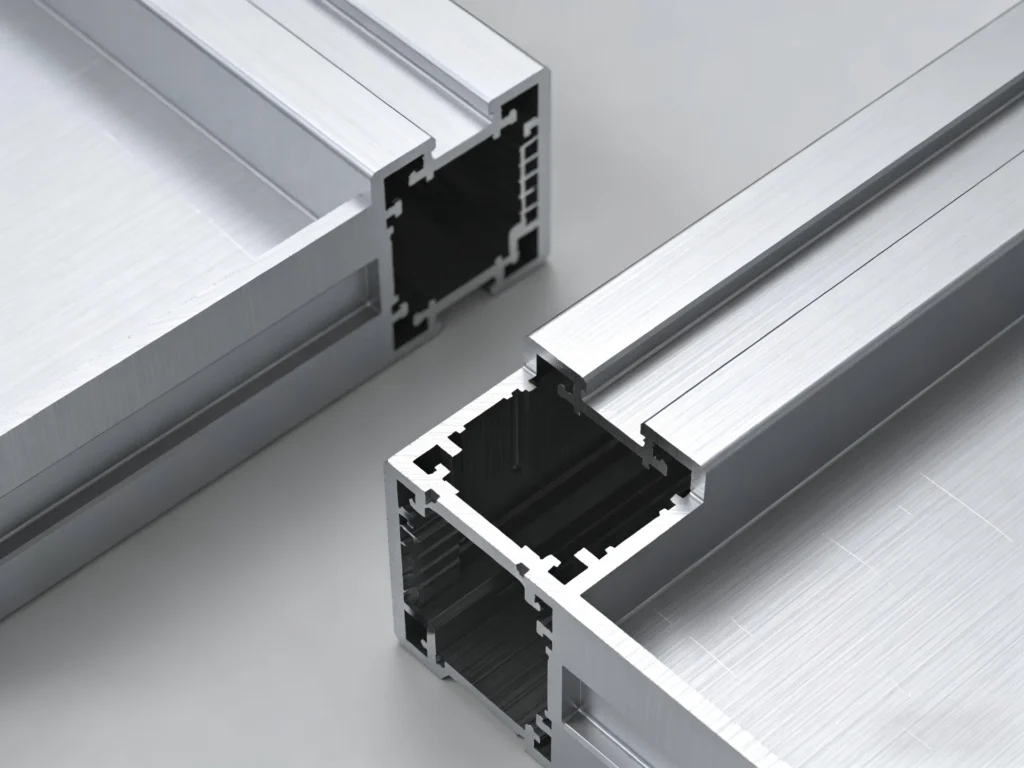
The solution lies in a robust manufacturing approach. By utilizing cnc machined enclosures, engineers can integrate heat sinks directly into the housing geometry, create precise mounting points for internal components, and ensure a seamless fit that provides a natural Faraday cage. This transition from “making it fit a box” to “building the box around the technology” is what separates hobbyist projects from professional-grade hardware. Jucheng specializes in this exact transition, providing the expertise needed to turn complex design requirements into high-performance physical realities.
What is CNC Milled and How Does It Redefine Enclosure Manufacturing?
To understand why this method is superior, we must first answer the foundational question: what is cnc milled? At its core, Computer Numerical Control (CNC) milling is a subtractive manufacturing process where a computer-controlled cutting tool removes material from a solid block of metal or plastic to create a specific shape. Unlike additive manufacturing (3D printing), which builds layers, milling starts with a high-density workpiece, ensuring that the resulting milled enclosure maintains the original material properties, such as high thermal conductivity and structural strength.
The process begins with a digital CAD model. The software translates this design into G-code, which instructs the machine on coordinates, spindle speeds, and tool changes. This level of automation allows for tolerances as tight as +/- 0.005mm, a level of precision that manual machining or casting simply cannot match. For cnc milled enclosures, this means every screw hole, connector cutout, and O-ring groove is positioned with absolute accuracy, ensuring that the final assembly is both watertight and mechanically sound.
The Critical Difference Between CNC Router and CNC Mill
In the machining community, especially on Facebook groups dedicated to rapid prototyping, there is often confusion regarding the difference between cnc router and cnc mill. While both use spinning tools to cut material, their applications for enclosures are vastly different. A CNC router is typically designed for softer materials like wood, plastics, and thin aluminum sheets. They usually have a larger work envelope but lack the structural rigidity required for deep, complex metal cutting.
A CNC mill, on the other hand, is built for heavy-duty metal removal. It features a much stiffer frame and a high-torque spindle, allowing it to cut through thick blocks of 6061-T6 aluminum or stainless steel with extreme precision. When you are looking for cnc machined enclosures that require deep pockets, intricate internal ribs, or high-quality surface finishes, a mill is the only viable option. Using a router for a heavy milled enclosure could result in “chatter” (vibrations that ruin surface finish) and poor dimensional accuracy.
Material Selection and Thermal Management in CNC Machined Enclosures
The choice of material for your cnc milled enclosure is perhaps the most significant factor affecting its performance. Aluminum is the industry standard due to its excellent strength-to-weight ratio and superior thermal conductivity. However, depending on the environment, you may consider other options. The following table highlights the common materials used at Jucheng for high-performance housing:
| Material Type | Key Advantages | Common Applications | Thermal Conductivity |
|---|---|---|---|
| Aluminum 6061-T6 | Excellent machinability, cost-effective, good corrosion resistance. | General electronics, automotive sensors. | High |
| Aluminum 7075 | Higher strength than 6061, comparable to many steels. | Aerospace, high-stress components. | Moderate-High |
| Stainless Steel 316 | Exceptional corrosion resistance, biocompatible. | Medical devices, marine environments. | Low |
| PEEK / Engineering Plastics | Lightweight, chemically inert, non-conductive. | Chemical processing, specialized insulators. | Very Low |
For high-power electronics, a cnc milled enclosure may feature integrated cooling fins. These fins are machined directly into the external surface of the case, increasing the surface area for convective cooling. Because the entire case is a single piece of machined metal, heat transfer from the internal components to the external environment is highly efficient. This eliminates the need for active cooling in many scenarios, which is a major advantage for devices meant to operate in dust-heavy or outdoor environments where fans might fail.
Precision Tooling: Understanding CNC End Mill Types
Achieving the perfect finish and geometry on cnc machined enclosures requires an expert understanding of cnc end mill types. The tooling selection influences everything from the sharpness of the internal corners to the “shimmer” of the final surface. Professional machinists at Jucheng carefully select tools based on the geometry of the enclosure.
- Square End Mills: These are used for most general milling operations, such as creating flat-bottomed pockets and vertical walls in a milled enclosure.
- Ball Nose End Mills: Essential for 3D surfacing and creating contoured, ergonomic shapes on the exterior of the housing.
- Corner Radius End Mills: These tools feature a slight curve at the tip, which helps reduce stress concentrations in the corners of the cnc milled enclosure, increasing the structural durability.
- Thread Mills: Used to create high-precision internal threads for fasteners, ensuring that the enclosure can be opened and closed multiple times without stripping the holes.
Choosing the right tool is a balance between speed and quality. For example, using a larger diameter tool for roughing out the main cavity of cnc milled enclosures saves time, but a much smaller tool is required to finish the intricate details around port cutouts. This nuanced approach to tooling is a hallmark of Jucheng’s commitment to quality and precision.
Navigating the Disadvantages of CNC Milling Machine Processes
While we advocate for the superior quality of cnc machined enclosures, a transparent engineering approach requires discussing the disadvantages of cnc milling machine operations. No manufacturing process is perfect for every single scenario, and being aware of the limitations helps in making an informed decision.
The primary disadvantage is the cost of low-volume production. Because CNC milling involves significant setup time—including CAD/CAM programming, material fixturing, and tool selection—the initial price per unit can be higher compared to mass-produced plastic injection molding. Additionally, there is material waste; since it is a subtractive process, a significant portion of the original metal block is turned into chips. However, for specialized hardware, these costs are often offset by the elimination of expensive molds and the significantly higher performance of the final cnc milled enclosure.
Another factor to consider is geometry limitations. A CNC mill uses rotating tools, which means it cannot naturally create perfectly sharp internal corners. All internal corners will have a radius equal to the radius of the cutting tool. Designers must account for this by either designing in corner reliefs or accepting a small radius. At Jucheng, we work closely with clients to optimize their designs, minimizing these disadvantages of cnc milling machine processes through clever engineering and advanced toolpaths.
Installation, Sealing, and Long-Term Maintenance
A cnc milled enclosure is only as good as its assembly. One of the greatest benefits of cnc machined enclosures is the ability to include integrated grooves for EMI gaskets or environmental O-rings. This allows the device to achieve IP67 or even IP68 ratings, protecting internal electronics from water and dust ingress.
During installation, it is crucial to use the correct torque settings for fasteners to avoid deforming the precisely machined surfaces. Because the tolerances are so tight, even a small amount of debris on the mating surfaces can prevent a proper seal. Regular maintenance for these enclosures usually involves inspecting the seals for wear and ensuring that any external finishes, such as anodizing, have not been breached. Anodized cnc milled enclosures offer excellent scratch resistance and can be dyed in various colors for branding purposes, while also providing an extra layer of electrical insulation.
Why Jucheng is the Leading Partner for Your Milled Enclosure Projects
When it comes to sourcing cnc milled enclosures, the manufacturer’s expertise is the most critical variable. Jucheng stands out in the global market by combining state-of-the-art technology with deep metallurgical knowledge. Our facility is equipped with high-speed, multi-axis CNC machines that can handle the most complex geometries with ease.
What truly sets Jucheng apart is our focus on the “Business Scene Logic.” We understand that you aren’t just buying a box; you are buying the protection of your intellectual property and the reliability of your brand. Our quality control team utilizes CMM (Coordinate Measuring Machine) technology to verify that every cnc milled enclosure meets the exact specifications of the provided CAD file. We offer a variety of finishes, from bead blasting and anodizing to laser engraving, providing a complete “one-stop” solution for hardware innovators. Our commitment to ISO-certified processes ensures that whether you need ten units for a prototype or thousands for a production run, the quality remains consistent.
Real-World Impact: A Case Study in Precision
A recent client in the satellite communications sector was struggling with signal interference in their ground-based receivers. By switching from a cast housing to a Jucheng-manufactured cnc milled enclosure made from 6061 aluminum with a conductive nickel plating, they achieved a 40% reduction in noise floor. The precision of the cnc machined enclosures allowed for a perfect metal-to-metal contact across the entire lid interface, effectively sealing the electronics from external RF pollution. This success story illustrates how the right manufacturing choice can directly impact a product’s performance in the marketplace.
Frequently Asked Questions About CNC Milled Enclosures
1. How does a cnc milled enclosure compare to a 3D printed one?
While 3D printing is excellent for rapid visual prototyping, cnc machined enclosures are far superior in terms of material strength, thermal conductivity, and surface finish. For functional parts that require shielding or must withstand mechanical stress, milling is the preferred industrial method.
2. Can I get a cnc milled enclosure with very thin walls?
Yes, but there are limits. Extremely thin walls may vibrate during the machining process, leading to poor surface finish or deformation. Generally, a wall thickness of 1mm to 1.5mm is achievable for most milled enclosure designs, depending on the overall depth and material.
3. What is the typical lead time for custom cnc machined enclosures?
Lead times vary based on complexity, but at Jucheng, we typically deliver prototypes within 5-10 business days. Production runs may take longer depending on the volume and the specific finishing requirements like hard-coat anodizing.
4. Why is the difference between cnc router and cnc mill important for my project?
It determines the quality of your part. If your enclosure requires deep pockets or tight tolerances in metal, a CNC router will likely fail to provide the necessary precision and surface quality, whereas a CNC mill is designed specifically for those tasks.
5. What are the most common cnc end mill types used for aluminum enclosures?
For aluminum, we typically use 2 or 3-flute carbide end mills. These allow for large flute spaces which are essential for clearing the soft, sticky chips that aluminum produces, preventing tool breakage and ensuring a smooth finish on the cnc milled enclosure.
6. Is it possible to add branding to a milled enclosure?
Absolutely. We can use small-diameter cnc end mill types to engrave logos directly into the metal, or we can use laser marking after the anodizing process for a high-contrast, permanent branding solution.
7. How do I maintain my cnc machined enclosures in outdoor environments?
Choosing the right finish is key. For outdoor use, we recommend Type III Hard Anodizing or a powder coat finish. Periodically checking the integrity of the O-ring seals will ensure the internal components remain protected from moisture.
Conclusion: Elevate Your Hardware with Jucheng
In the competitive landscape of modern electronics, the “good enough” approach to housing can lead to costly failures and brand damage. Investing in a high-quality cnc milled enclosure provides the peace of mind that your technology is protected by the highest standards of mechanical engineering. From solving thermal management issues to providing military-grade EMI shielding, the benefits of cnc machined enclosures are clear.
At Jucheng, we pride ourselves on being more than just a vendor; we are a partner in your engineering journey. Our expertise in what is cnc milled technology and our mastery of cnc end mill types allow us to tackle the challenges that other shops avoid. If you are ready to move beyond the limitations of standard enclosures and experience the precision of a custom milled enclosure, our team is ready to assist.
Contact Jucheng today to discuss your project requirements. Whether you are navigating the disadvantages of cnc milling machine constraints or looking to maximize the difference between cnc router and cnc mill capabilities, our engineers will provide the guidance and quality you deserve. Let us help you turn your next innovation into a durable, high-performance reality.
Visit Jucheng CNC Machining to get an instant quote for your custom cnc milled enclosures. Our experts are standing by to transform your designs into high-performance cnc machined enclosures.