
You have a critical design that needs to become a physical part—just one piece, exact specifications, no room for error. Maybe it is a replacement component for aging machinery, a functional prototype before a production run, or a custom bracket that does not exist in any catalog. This is custom one-off machining, and it solves one of manufacturing’s most persistent challenges: how to produce a single, precision component economically and accurately without the overhead of mass production tooling.
This guide walks through the real-world problems engineers and procurement teams face when ordering single custom parts—and how CNC machining provides the answers. Along the way, we will explore what one-off machining actually involves, where it delivers the most value, what drives cost, and how to choose a partner who can turn your CAD model into a finished part that fits, functions, and performs.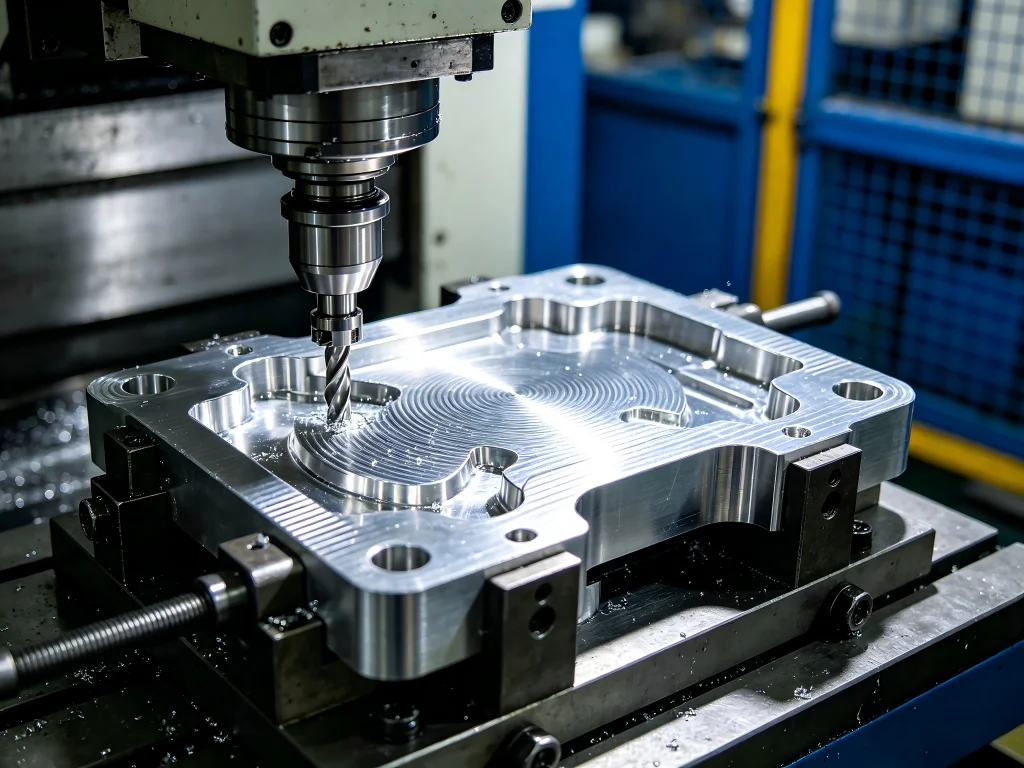
The Problem: When Standard Parts Just Will Not Work
Consider a maintenance engineer staring at a production line that has ground to a halt. A critical gear has stripped. The machine is twenty years old. The original manufacturer no longer stocks replacement parts. Ordering a custom replacement from a conventional shop could take weeks—and the quote might arrive with a price tag that makes the finance team wince.
Or think about a product designer who has spent months refining a new medical device. The digital model looks perfect. But until a physical prototype goes into the surgeon’s hand, the design remains unproven. The team needs a single functional part, machined from the actual production material, to test fit, feel, and function. Traditional manufacturing routes—injection molding, casting, forging—demand expensive tooling that makes no sense for a quantity of one.
These scenarios share a common thread: the need for custom one-off parts that are accurate, delivered quickly, and produced without the financial penalty of setting up mass production infrastructure. This is where custom CNC machining steps in as the practical, proven solution.
The Solution: How Custom One-Off Machining Works
At its core, custom one-off machining is the process of creating a single, unique component using computer-controlled cutting tools. Unlike mass production, where setup costs are spread across thousands of parts, one-off machining focuses on flexibility and precision over volume.
The workflow typically follows this path:
- Design input—You provide a 3D CAD file (STEP, IGES, or similar format) along with technical drawings specifying dimensions, tolerances, and material requirements.
- Programming—A CAM (computer-aided manufacturing) programmer converts your design into machine-readable code (G-code) that directs the CNC machine’s every movement.
- Material selection and preparation—The appropriate stock material—aluminum, steel, engineering plastic, or exotic alloy—is selected and secured in the machine.
- Machining—Cutting tools remove material according to the programmed toolpaths, gradually revealing the finished part geometry.
- Inspection and quality control—The completed part is measured against your specifications using precision instruments like coordinate measuring machines (CMMs).
- Post-processing—Optional finishing operations such as deburring, anodizing, or polishing are applied as required.
What makes this approach viable for single parts is the digital nature of the process. Once the programming is complete, the CNC machine can produce that exact geometry repeatedly—but it can also produce just one copy without the need for expensive hard tooling. As one production manager put it, “Unit cost for a one-off component is the same as a batch of a thousand”. The economics shift from tooling amortization to setup and cycle time optimization.
Where Custom One-Off Machining Delivers the Most Value
Understanding where custom one-off CNC machining makes the most sense helps you decide whether it is the right approach for your project. The technology excels in several specific scenarios:
Prototype Development and Design Validation
Before committing to expensive production tooling, you need to verify that your design works in the physical world. Custom one-off parts allow you to test fit, function, and performance with components machined from the actual production material. This is particularly valuable in industries like aerospace, medical devices, and automotive, where material properties and dimensional accuracy directly impact safety and performance.
Functional prototypes machined from real engineering materials provide test data that correlates one hundred percent with final production parts. You can validate snap-fits, thread engagement, bearing surfaces, and structural integrity before the first production mold is cut or the first casting die is ordered.
Replacement Parts for Obsolete Equipment
Industrial machinery often has a service life measured in decades. When a critical component fails and the original supplier no longer offers replacements, custom one-off machining becomes the only practical path to restoration. Reverse-engineering an existing part or recreating it from original drawings allows you to keep production lines running without investing in entirely new equipment.
Low-Volume Production and Bridge Tooling
Sometimes you need more than one part but fewer than the quantity that justifies hard tooling. Custom CNC machining scales efficiently from one piece to several hundred, with per-unit costs decreasing as setup costs are amortized across the run. This makes it ideal for bridge production—supplying initial market demand while production tooling is being developed.
Complex Geometries That Defeature Alternative Processes
Certain part designs simply cannot be produced by any other method. Deep pockets, intricate curves, fine threads, and tight-tolerance features are routine for custom one-off CNC machining but may be impossible with manual machining or prohibitively expensive with casting or forging. When your part requires five-axis simultaneous motion or tolerances measured in microns, CNC machining is not just an option—it is the only option.
The Cost Question: What Drives Pricing for Custom One-Off Parts
Perhaps the most common question about custom one-off machining is straightforward: how much does it cost? The answer, however, is layered. Several factors interact to determine the final price, and understanding these drivers helps you make informed decisions and avoid surprises.
Setup Costs: The Fixed Component
Every custom one-off CNC machining job involves fixed costs that occur regardless of quantity: programming, fixturing, tool selection, and machine preparation. For a single part, these costs are not amortized across multiple units, which is why one-off parts often appear expensive compared to production quantities. However, the alternative—not having the part at all—is usually far more costly in terms of lost production or delayed product launches.
Programming time varies dramatically based on part complexity. A simple 2.5D part with straightforward features might require ten to fifteen minutes of programming. A complex three-dimensional surface with deep pockets and multiple setups could demand several hours of a skilled programmer’s time. This is a significant cost driver for custom one-off parts.
Cycle Time: The Variable Component
Once the machine starts cutting, the clock is running. Cycle time—the actual machining duration—directly influences cost. Factors that extend cycle time include:
- Material hardness—Tool steel, titanium, and other difficult-to-machine materials require slower feed rates and more conservative cutting parameters.
- Surface finish requirements—Finer finishes demand additional tool passes and reduced stepover distances.
- Geometric complexity—Multiple setups, tool changes, and intricate toolpaths all add time.
- Feature density—Parts with many features require more machining operations per component.
Hourly Rates: A Baseline Metric
CNC machining hourly rates in 2026 typically range from $35 to $200+ per hour, depending on machine type, capability, and geographic location. Three-axis mills operate at the lower end of the spectrum, while five-axis machines and multi-tasking turn-mill centers command premium rates. However, as industry experts note, hourly rate alone is a poor predictor of total part cost. The interaction between setup, cycle time, material behavior, tolerances, and inspection requirements ultimately determines the final price.
Risk Pricing and Quality Requirements
Less visible but equally important is the cost of risk. Tight tolerances, complex geometries, and exotic materials introduce uncertainty. Suppliers factor in the likelihood of scrap, rework, and additional inspection overhead. A part with tolerances as tight as ±0.01mm requires more careful setup, more frequent in-process inspection, and often a more expensive machine and operator.
This is why the cheapest quote is rarely the lowest total cost. Rework, delayed delivery, and poor design for manufacturability (DFM) can rapidly increase the real cost of your custom one-off part.
Choosing the Right Partner for Custom One-Off Machining
Selecting a machine shop for custom one-off CNC machining involves more than comparing hourly rates. The right partner brings technical expertise, quality systems, and manufacturing flexibility that directly impact your project’s success.
Precision Capabilities and Quality Systems
For parts that must fit, function, and perform as designed, precision is non-negotiable. Look for shops that operate under recognized quality management systems such as IATF 16949 or ISO 13485. These certifications indicate rigorous process control, material traceability, and documented quality procedures.
Consider whether the shop can achieve the tolerances your design requires. Standard CNC machining holds ±0.1mm routinely, while precision machining centers can achieve ±0.01mm or better. Shops that specialize in tight-tolerance work typically maintain climate-controlled production environments to eliminate thermal expansion as a variable. Temperature fluctuations of just five degrees Celsius can move a 100mm aluminum dimension by twelve microns—enough to push a precision bore out of specification.
Material Expertise and Range
Your custom one-off part may require a specific material for its mechanical, thermal, or chemical properties. A capable machining partner should offer a broad range of materials, including engineering plastics (nylon, PEEK, Delrin, polycarbonate), aluminum alloys (6061, 7075), stainless steels, tool steels, and exotic alloys.
Material expertise matters beyond mere availability. Different materials machine differently: nylon absorbs moisture and swells, PEEK requires careful heat management, and glass-filled materials are abrasive to cutting tools. A shop that understands these nuances delivers better results and avoids the common pitfalls that lead to scrap parts.
Value-Added Services and One-Stop Solutions
Many custom one-off machining projects require more than just cutting metal. Post-processing operations such as deburring, anodizing, powder coating, plating, and laser etching add functionality and improve appearance. Some shops also offer assembly services, thread locking, adhesive bonding, and press-fit assembly. Choosing a partner who provides these services in-house simplifies your supply chain and reduces coordination overhead.
Communication and DFM Collaboration
The best machining partners engage early in the design process. Design for Manufacturability (DFM) feedback can identify potential issues before machining begins—saving time, reducing cost, and preventing scrapped parts. A shop that reviews your CAD model, asks thoughtful questions about critical features, and suggests practical alternatives adds value far beyond the machining itself.
Responsiveness also matters. When you need a custom one-off part urgently, delays in quoting or clarification can be as damaging as extended machining lead times. Shops that provide rapid quotation—often within 24 hours—and maintain clear communication throughout the project reduce stress and keep your timeline on track.
Installation and Maintenance Considerations for One-Off Parts
While the machining process itself is the primary focus, proper installation and ongoing maintenance ensure your custom one-off part delivers its intended service life. Consider these factors during the design and procurement phases:
Design for Installation
A beautifully machined part that cannot be installed is a failure. Ensure your design accounts for clearances, access for tools, and assembly sequence. If the part replaces an existing component, verify that critical mounting dimensions match the original. If it is a new design, consider how it will be positioned and secured during assembly.
Material-Specific Handling
Different materials require different handling approaches during installation. Plastics like nylon and acetal are sensitive to overtightening—excessive torque can crack or deform the material. Metals may require specific torque specifications for threaded fasteners. Your machining partner can provide guidance on appropriate installation practices based on the material and geometry.
Maintenance and Inspection
For replacement parts in critical equipment, establish an inspection schedule to monitor wear and performance. Document the part’s dimensions and surface finish at installation to provide a baseline for future comparisons. If the part experiences wear, the next custom one-off machining order can incorporate design improvements based on real-world performance data.
Frequently Asked Questions About Custom One-Off Machining
What is the typical lead time for a custom one-off CNC machined part?
Lead times vary based on complexity, material availability, and shop workload. Simple parts with readily available materials can be machined in as little as one to three days. Complex parts requiring five-axis machining, exotic materials, or extensive programming may require one to two weeks. Rapid prototyping services often prioritize speed, with some shops offering same-day or next-day service for straightforward projects.
What file formats do I need to provide for a custom one-off machining quote?
Most CNC machining shops accept standard 3D CAD formats including STEP (.stp), IGES (.igs), and SolidWorks (.sldprt) files. Technical drawings in PDF format are also useful for communicating tolerances, surface finish requirements, and critical dimensions. Providing both a 3D model and a 2D drawing with callouts ensures your requirements are clearly understood.
Is custom one-off machining cost-effective for simple parts?
For geometrically simple parts with loose tolerances, the cost of custom one-off machining may be higher than alternative approaches like manual machining or 3D printing. However, if the part requires specific material properties, tight tolerances, or features that other processes cannot achieve, CNC machining remains the most practical option. The decision depends on the specific requirements of your part.
How does custom one-off machining compare to 3D printing for prototypes?
Both technologies have strengths. Custom one-off CNC machining produces parts from real engineering materials with superior mechanical properties and dimensional accuracy. 3D printing excels at producing complex internal geometries and organic shapes that are difficult or impossible to machine. For functional testing where material properties and tolerances matter, machining is often the better choice. For visual models and early-stage concept validation, 3D printing offers speed and cost advantages.
Can I get a custom one-off part machined from the same material as my production parts?
Yes—this is one of the primary advantages of custom one-off machining for prototyping. CNC machining works with the same bar stock, plate, or billet material that will be used in production. This ensures that prototype test data correlates with final production performance, unlike processes that use substitute materials or additive manufacturing techniques that produce different material properties.
What tolerances can I expect from custom one-off CNC machining?
Standard CNC machining holds tolerances of ±0.1mm (±0.004 inches) routinely. Precision machining can achieve tolerances as tight as ±0.01mm (±0.0004 inches). The achievable tolerance depends on part geometry, material, machine capability, and inspection methods. Tighter tolerances increase cost and lead time due to additional setup, inspection, and risk management.
Do I need to provide a physical sample or drawing for a custom one-off part?
A 3D CAD file is typically sufficient for quotation and production. For replacement parts where no digital model exists, many shops offer reverse-engineering services—scanning or measuring the existing part to create a CAD model for machining. Technical drawings with tolerances and finish requirements are always helpful but not always required for simple parts.
Why Jucheng Excels in Custom One-Off CNC Machining
When precision, reliability, and responsive service matter for your custom one-off part, Jucheng Precision brings decades of manufacturing expertise to every project. The company has evolved beyond the role of a standard machine shop to become a certified partner in demanding industries including aerospace, medical devices, automotive, and robotics.
Precision is not an accident at Jucheng—it is engineered into every process. The facility operates under a “Thermal Sovereignty” mandate, maintaining production floors and metrology labs at exactly 20 degrees Celsius (±1 degree). This eliminates thermal expansion as a variable, ensuring that a part machined at 8:00 AM matches one machined at 2:00 PM. The company employs a three-tier machining cycle—roughing, semi-finishing, and finishing—for all high-precision parts. Advanced 5-axis CNC machines produce complex geometries with maximum precision, while sophisticated metrology equipment, including CMMs, verifies every critical dimension.
Quality systems provide the foundation for consistent results. Jucheng operates under IATF 16949 and ISO 13485 quality management systems, demonstrating rigorous process control, material traceability, and documented quality procedures. For aerospace and medical applications where zero defects are the only acceptable outcome, this quality infrastructure provides the certainty that mission-critical parts require.
Material expertise spans the full spectrum of engineering materials. From engineering plastics like nylon, PEEK, and Delrin to aluminum alloys, stainless steels, and exotic metals, Jucheng machines a comprehensive range of materials. The company’s deep understanding of material behavior—how nylon absorbs moisture, how heat affects PEEK, how glass-filled materials wear tools—translates into parts that meet specifications consistently.
One-stop capabilities simplify the supply chain. Beyond machining, Jucheng offers value-added services including cleaning, deburring, press-fit assembly, thread locking, and adhesive bonding. Surface finishing options include polishing, anodizing, powder coating, plating, and laser etching. This integrated approach means you coordinate with one partner rather than managing multiple vendors for post-processing.
Responsive service and rapid quoting keep projects moving. Jucheng provides project quotations and DFM feedback within 24 hours of receiving your CAD files. The company’s engineering team reviews designs for manufacturability early in the process, identifying potential issues before machining begins and suggesting practical alternatives that save time and reduce cost.
For engineers, procurement professionals, and product developers who need custom one-off parts that fit, function, and perform as designed, Jucheng Precision offers the technical expertise, quality systems, and responsive service that turn complex requirements into reliable components.
Whether you are prototyping a new medical device, replacing a critical production component, or developing a custom assembly for a robotics project, Jucheng has the capability and commitment to deliver your custom one-off CNC machining project on time and to specification.
Ready to Bring Your Custom One-Off Part to Life?
Every great product, every critical repair, and every innovative design begins with a single part. Custom one-off machining makes that first step possible—turning your CAD model into a physical component that proves your concept, restores your production line, or launches your next product.
Jucheng Precision stands ready to be your partner in this journey. With decades of machining expertise, certified quality systems, and a commitment to precision that goes beyond industry standards, Jucheng delivers custom one-off parts that meet the most demanding specifications.
Upload your CAD files today and experience the Jucheng difference. Get your project quotation and DFM feedback within 24 hours. Let Jucheng’s engineering team show you what precision manufacturing really means—from the first concept to the finished part that fits, functions, and performs exactly as you designed.
Visit Jucheng Precision to start your custom one-off machining project. Your part is waiting to be made.