За пределами поверхности: искусство и наука трафаретной печати по металлу
В мире, насыщенном цифровыми отпечатками и временными наклейками, индивидуальные металлические вывески остаются вневременными свидетельствами долговечности, профессионализма и эстетического воздействия. В основе создания этих долговечных изделий лежит почтенная техника: трафаретная печать. Этот процесс, также известный как шелкография, превращает листы алюминия, стали, латуни и других металлов в яркие, долговечные вывески для бизнеса, общественных пространств и частных коллекций. "Секреты" его успеха — не просто трюки, а глубокое понимание материалов, точности и мастерства. Эта статья погружается в сложный мир трафаретной печати по металлу, раскрывая методы, преимущества и экспертные знания, которые позволяют достичь исключительных результатов.
Разбор процесса: как работает трафаретная печать по металлу
Трафаретная печать — это метод печати на основе трафарета, при котором краска продавливается через мелкую сетку на подложку. При применении к металлу этот процесс требует особых адаптаций для обеспечения адгезии и долговечности. Путь от концепции до готовой металлической вывески следует тщательной последовательности.
Шаг 1: Подготовка макета и создание трафарета
Основа идеального отпечатка — безупречный макет. Дизайны создаются или векторизуются для обеспечения четких, чистых линий без пикселизации. Каждый цвет в дизайне требует отдельного трафарета. Традиционно эти трафареты изготавливались из шелка, но сегодня стандартом являются синтетические сетки, такие как полиэстер. Трафарет покрывается светочувствительной эмульсией, а затем экспонируется УФ-светом с наложенной сверху позитивной пленкой дизайна. Области, заблокированные дизайном, остаются мягкими и вымываются, оставляя на трафарете точный шаблон изображения.
Шаг 2: Подготовка металлической подложки
Это, пожалуй, самый важный "секрет" успеха. Металлические поверхности должны быть безупречно чистыми и часто обрабатываться для улучшения адгезии краски. Подготовка обычно включает:
- Обезжиривание: Удаление всех масел, пыли и загрязнений с помощью специальных химических очистителей.
- Абразивная обработка или травление: Легкая абразивная обработка поверхности или использование химического травителя для создания микроскопической "шероховатости", за которую краска механически цепляется.
- Грунтование/покрытие: Многие металлические вывески, особенно предназначенные для наружного использования, получают запеченный грунт или базовое покрытие (часто полиэстеровое или эпоксидное порошковое покрытие). Это обеспечивает однородную, восприимчивую и часто цветную поверхность для печати.
Шаг 3: Печатный станок и нанесение краски
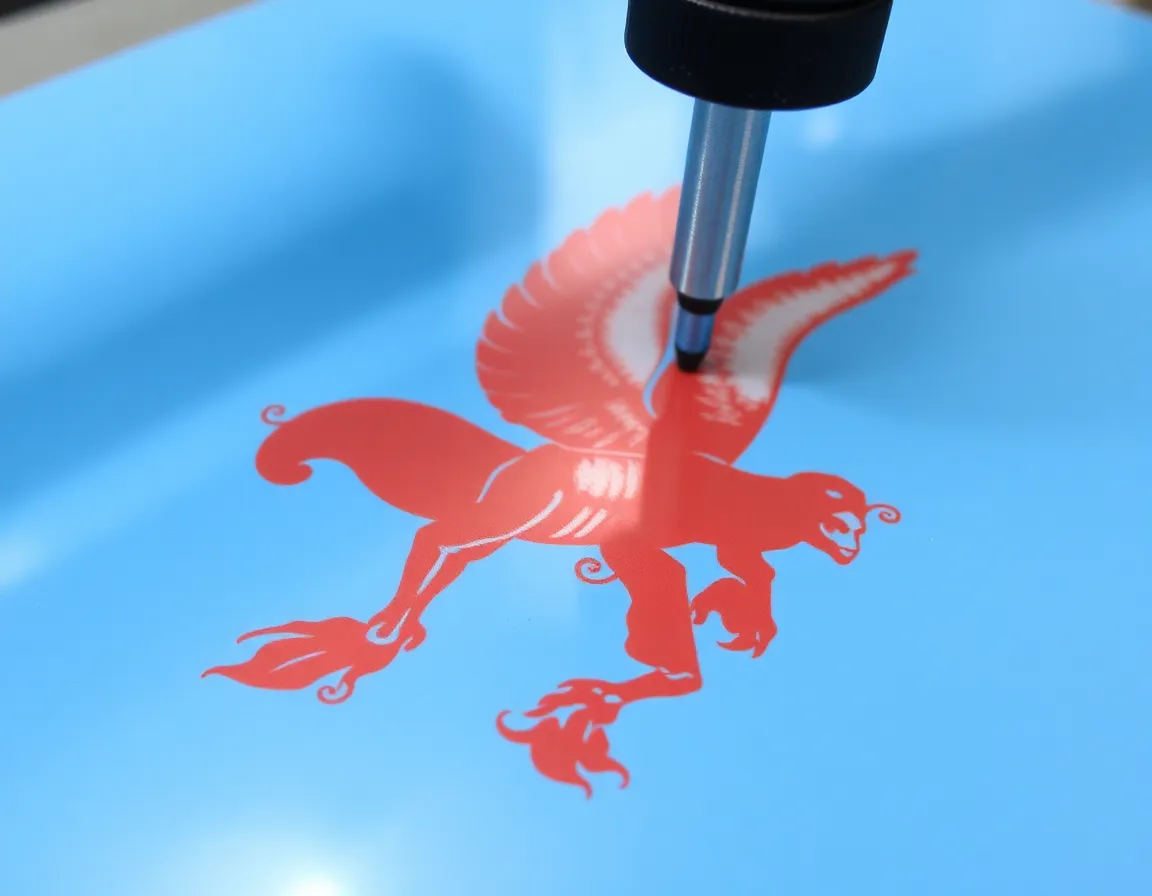
Подготовленный металлический лист закрепляется на печатном станке. Трафарет опускается на него, и в верхней части трафарета наносится валик краски. Используя ракель с точным давлением и углом, печатник протягивает краску по трафарету, продавливая ее через открытые ячейки трафарета на металлическую поверхность. Процесс повторяется для каждого цвета, при этом точная приводка (совмещение) имеет первостепенное значение. Для металла используются специальные краски, в частности:
- Двухкомпонентные катализированные эпоксидные краски: Чрезвычайно прочные и химически стойкие, идеальны для промышленных этикеток и агрессивных сред.
- УФ-отверждаемые краски: Эти краски мгновенно высыхают под воздействием ультрафиолетового света, что обеспечивает более быстрое производство и превосходную долговечность.
- Краски на керамической основе (для обжиговых применений): Используются, когда напечатанный металл будет нагреваться в печи, вплавляя краску навсегда в керамикоподобное покрытие.
Step 4: Curing and Finishing
After printing, the ink must be fully cured to achieve its hardened, durable state. This often involves baking the signs in a conveyor oven at specific temperatures and durations, which cross-links the ink polymers. Finally, a protective clear coat (like a UV-resistant varnish) may be applied and baked to further shield the graphics from abrasion and fading.
The Unmatched Benefits: Why Silk Screen Reigns for Metal
While digital printing methods have advanced, silk screen printing retains distinct advantages for metal signage that justify its continued use for high-quality applications.
Исключительная долговечность и срок службы
Screen printed inks are applied in thicker, more opaque layers than digital prints. When properly cured, they form a tough film that is highly resistant to scratching, chemicals, solvents, and weathering. This makes them perfect for outdoor signs, machine labels, and architectural panels that must endure decades of exposure.
Vibrant Color and Opacity
The technique allows for the use of intensely pigmented, opaque inks. This is crucial for printing light colors on dark metal or achieving a true, bold white. Colors appear rich and saturated, without the translucency that can plague other methods on metallic surfaces.
Versatility on Texture and Shape
Screen printing can adapt to slightly textured metal surfaces (like brushed aluminum) better than many digital flatbed printers. Furthermore, with specialized presses, it can be used to print on pre-formed metal objects, not just flat sheets.
Cost-Effectiveness for Medium to Large Runs
While the setup (screen creation) has a fixed cost, the per-unit cost decreases significantly with volume. For production runs of hundreds or thousands of signs, screen printing becomes very economical while maintaining superior quality.
Applications: Where You See Silk Screened Metal Signs in Action
The robustness and professional finish of silk screened metal signs make them the preferred choice across numerous industries.
- Corporate & Architectural Signage: Building directories, lobby signs, door plaques, and wayfinding systems that demand a premium, permanent feel.
- Industrial Identification: Equipment nameplates, control panel labels, safety signs, and serial number plates that must withstand oil, heat, and abrasion.
- Retail and Hospitality: Durable menu boards, decorative wall features, and branded signage for both interior and exterior use.
- Commemorative & Award Plaques: Trophies, donor recognition walls, and historical markers where longevity and elegance are key.
- Automotive and Transportation: Dashboard labels, VIN plates, and exterior badging on vehicles and machinery.
Best Practices and Professional Secrets for Flawless Results
Achieving perfection in silk screen printing on metal is about controlling every variable. Here are the industry best practices that separate good signs from great ones.
Invest in Impeccable Surface Prep
Never rush or compromise on cleaning and pretreatment. Even invisible fingerprints can cause ink adhesion failure over time. A white glove treatment from the moment the metal leaves the coating line is essential.
Master Ink Viscosity and Mesh Count
The thickness (viscosity) of the ink must be perfectly matched to the mesh count (threads per inch) of the screen. A low mesh count deposits more ink for bold areas, while a high mesh count is needed for fine detail. Expert printers constantly adjust this relationship.
Control the Environment
Dust is the enemy. Printing should occur in a controlled, clean environment with stable temperature and humidity. This prevents contaminants from landing on wet ink and ensures consistent curing.
Precision in Registration and Curing
Using a high-quality, multi-color registration press is non-negotiable for complex designs. Furthermore, strictly adhering to the ink manufacturer’s curing specifications—time, temperature, and method—is what unlocks the ink’s full durability potential. Undercured ink will fail prematurely.
Test, Test, and Test Again
Professionals always conduct adhesion tests (like the cross-hatch tape test) and environmental exposure tests on samples before committing to a full production run. This verifies that the combination of metal, pretreatment, ink, and cure is optimal for the sign's intended use.
Conclusion: A Legacy Craft for the Modern Age
Silk screen printing on metal is far from an obsolete technology; it is a specialized craft that has evolved to meet the highest demands of modern industry and design. Its "secrets" are rooted in a profound respect for materials and process. For anyone seeking custom metal signs that communicate not just information, but also quality, permanence, and tactile beauty, understanding the depth of this technique is invaluable. In an era of disposable media, a expertly silk-screened metal sign stands as a durable testament to the enduring power of well-executed physical craftsmanship.