Vantagens

Function and test purpose

Explain the application and whether the part is for fit, function, appearance, or repeat use.

Material aprovado

Name the resin grade or document how an alternative can be accepted.

Complete drawing

Align model, revision, units, datums, quantity, and functional dimensions.

Aceitação clara

State finish, inspection, records, packaging, and quote inclusions.

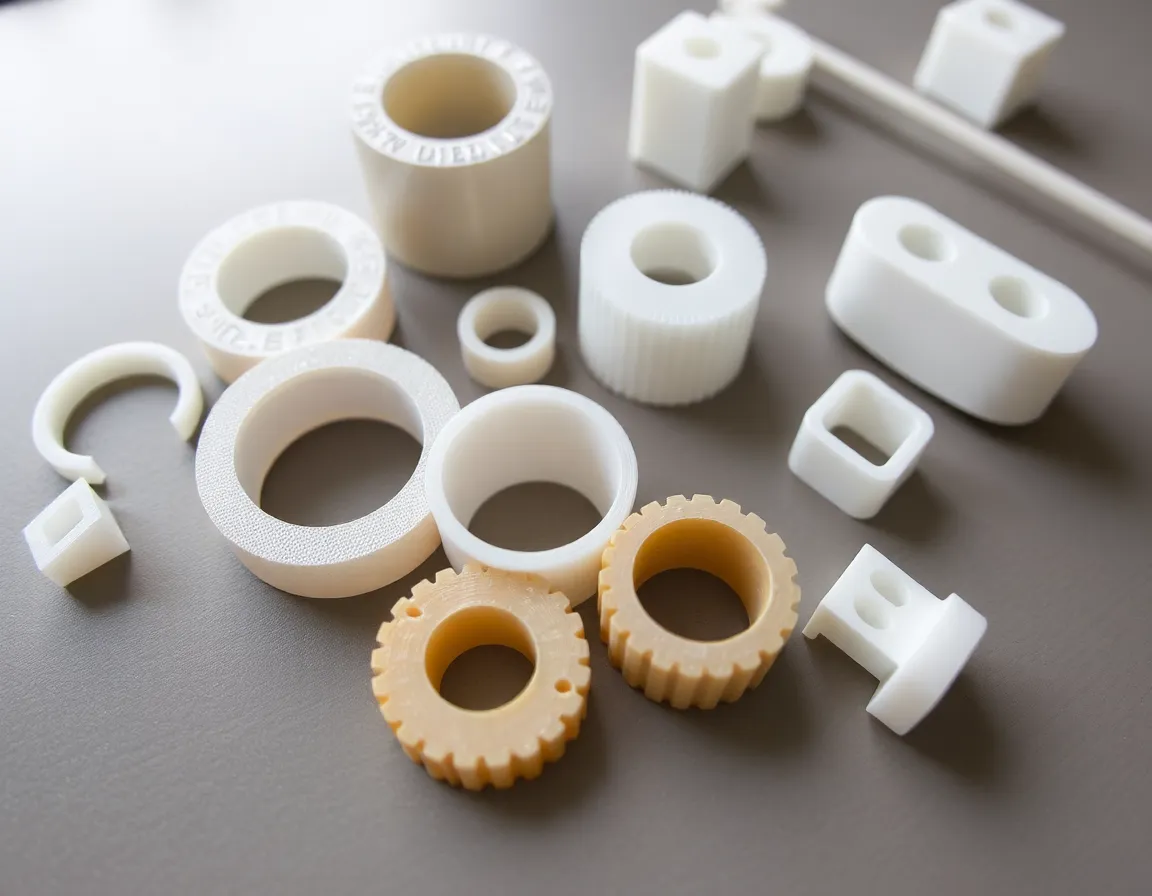
Milled plastic parts: material, drawing, and acceptance

Define the part purpose

Explain whether the part is for design review, fit validation, a functional test, replacement, or repeat production. Identify mating surfaces and the features that control assembly. A clear purpose helps set realistic material and inspection requirements.

Specify the plastic grade

Name the exact resin grade and condition when required by the design. If the grade is open, state which properties matter and how an alternative will be approved. Do not assume different commercial or generic names are interchangeable.

Prepare the model and drawing

Provide matching files with units, part number, revision, quantity, datums, critical dimensions, threads, and any inserts. State the finish, color, transparency, or other appearance requirement where it affects acceptance.

Compare machining and molding purpose

Clarify whether the prototype needs to match the geometry, material, or process of a later molded part. A machined sample does not automatically reproduce the behavior of a molded part; confirm the method is suitable for the test being performed.

Agree on inspection and quote scope

List acceptance criteria, requested measurements, records, packaging, and delivery assumptions. Ask the supplier to confirm what finishing or secondary operations are included and to identify exclusions.

Ver informações sobre o material plástico and send the current files through the página de solicitação de cotação.
Perguntas Frequentes

What should a milled plastic parts request include?

+

Include the resin grade, current drawing and model, quantity, revision, critical features, finish, and inspection criteria.

Can milled plastic prototypes stand in for molded parts?

+

Not automatically. Define the test purpose and confirm that the machined material and process are suitable for it.

How should I handle material alternatives?

+

State whether substitutions are allowed, identify the properties that matter, and approve the exact grade before production.

What makes quotes for plastic parts comparable?

+

Use the same material, revision, quantity, machining and finishing scope, inspection, packaging, and delivery assumptions.

How is pricing determined for custom milled plastic parts, and what factors influence the cost?

+

Pricing for milled plastic parts is influenced by several key factors. The primary cost drivers are the part's size and complexity, which determine the amount of raw material needed and the machine time required. Complex geometries with tight tolerances or deep pockets take longer to machine. Material choice is also significant; standard plastics like ABS are cost-effective, while high-performance plastics like PEEK are more expensive. Quantity affects cost per part, as setup and programming are amortized over the batch. Finally, secondary operations like finishing, threading, or special quality control add to the cost. For the best value, discuss your project's requirements in detail with your manufacturer, as design optimizations can often reduce machining time and expense without compromising function.

Artigos Relacionados

Solicite um Orçamento