
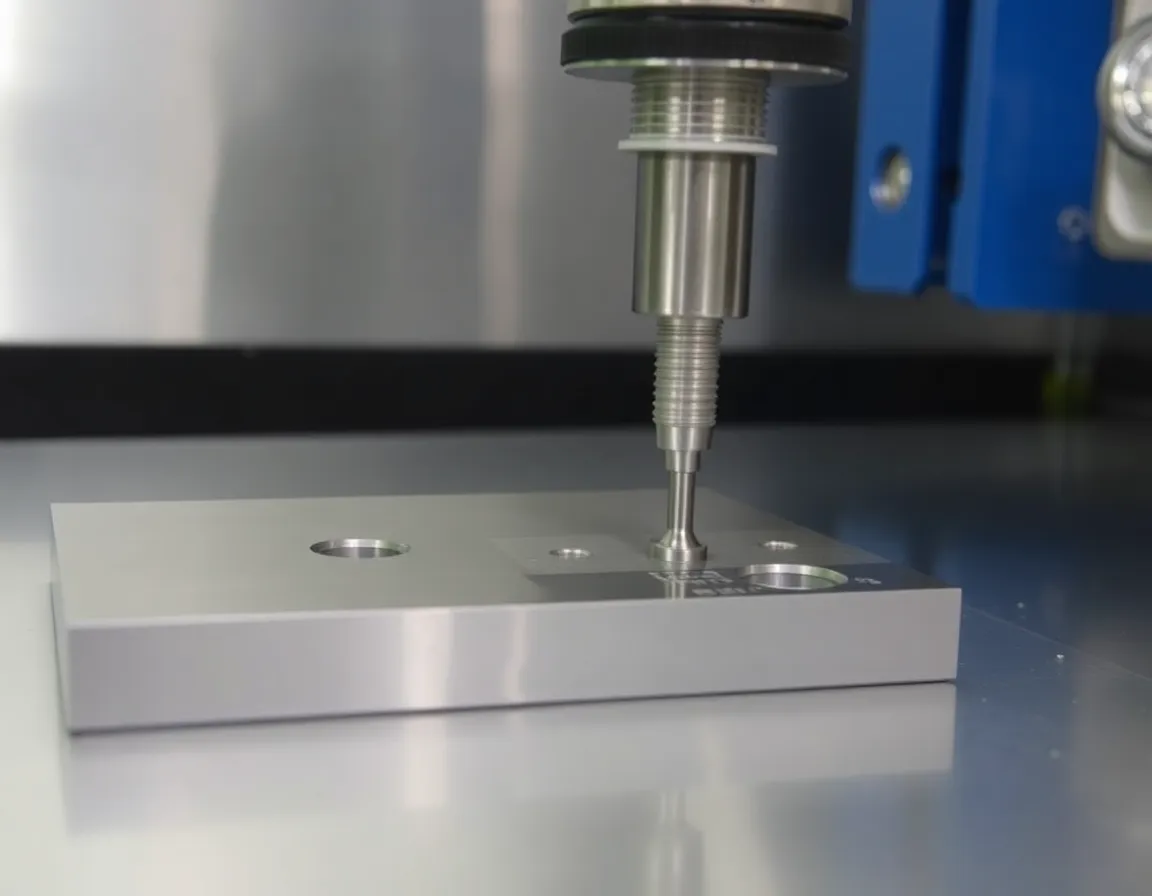
In the competitive world of modern manufacturing, every second on a machine tool and every ounce of scrap metal directly impacts the bottom line. While much attention is paid to cutting tool technology and CAM programming, one of the most impactful cost-saving measures often sits quietly on the shop floor: the assembly fixture. For manufacturers looking to tighten margins without sacrificing quality, understanding the role of assembly fixture machining is essential. These specialized work-holding devices are not merely accessories; they are strategic assets that streamline operations, reduce labor intensity, and ensure repeatability across production runs.
This article explores the mechanics of assembly fixtures and details five specific ways they cut machining costs, transforming chaotic workflows into predictable, profitable processes.
Understanding Assembly Fixture Machining
Before diving into the cost-saving benefits, it is important to define what assembly fixture machining entails. In the context of manufacturing, a fixture is a work-holding or support device used to securely locate and support the workpiece during a manufacturing operation. Unlike jigs, which guide the tool, fixtures primarily hold the part in a fixed position relative to the machine or the assembly station.
Assembly fixture machining refers to the design, fabrication, and integration of these precision devices specifically for assembly processes. This can range from simple clamps that hold two parts together for welding, to complex, multi-axis hydraulic fixtures that position components for robotic assembly. These fixtures are often machined from high-grade aluminum or steel to exacting tolerances, ensuring that when a part is loaded, it is perfectly aligned every single time.
The goal of utilizing these fixtures is to eliminate variability. By locking a part into a predetermined position, the need for manual measurement, adjustment, and "eyeballing" is removed. This creates a foundation for automation and high-precision work, which is where the cost savings begin to materialize.
1. Drastic Reduction in Setup and Cycle Times
Time is money in machining, and setup time is often the biggest thief of productivity. In a traditional assembly process without dedicated fixtures, operators spend significant time measuring, aligning, and clamping parts. This manual process is not only slow but also inconsistent.
Standardizing the Loading Process
Assembly fixtures eliminate the guesswork. When a fixture is machined to match the geometry of the part, loading becomes a simple "drop and lock" operation. This standardization drastically reduces the time required to secure the workpiece.
- Quick-Change Capabilities: Modern fixtures often utilize quick-release clamps or pneumatic systems, allowing an operator to swap parts in seconds rather than minutes.
- Elimination of Marking and Measuring: Operators no longer need to scribe lines or use calipers to position a part. The fixture dictates the location.
- Reduced Machine Idle Time: In CNC machining environments, fixtures allow for "lights-out" manufacturing or pallet changers, where parts are loaded outside the machine while the spindle is cutting another part.
By shaving minutes off every cycle, the cumulative effect over a year of production is massive. A fixture that saves just two minutes per part on a run of 10,000 parts saves over 300 hours of labor and machine time.
2. Minimizing Scrap and Rework Rates
Scrap is the enemy of profitability. When a part is machined incorrectly due to poor clamping or misalignment, it must either be scrapped entirely or sent for costly rework. Assembly fixtures play a pivotal role in quality control by ensuring geometric accuracy.
Ensuring Repeatable Tolerances
In assembly, if two components do not align perfectly, the resulting joint may be weak, or the final product may fail inspection. Fixtures machined to tight tolerances ensure that every part is held in the exact same position.
For example, in welding fixtures, proper clamping prevents distortion caused by heat. By holding the parts rigidly, the fixture ensures that the weld joint remains aligned as the metal cools. This prevents the need for post-weld machining or straightening, which are additional cost centers.
Furthermore, fixtures protect parts from damage. Improper clamping can crush thin-walled components or mar surface finishes. Properly designed fixtures distribute clamping pressure evenly, preserving the integrity of the part. This reduction in error rates directly translates to a lower cost per unit.
3. Enabling the Use of Lower-Cost Labor
Skilled machinists and assemblers command high wages. However, when a process relies on the "art" of a skilled worker to align parts manually, the manufacturer is paying a premium for that skill on every single unit.
Deskilling the Operation
Assembly fixtures effectively "deskill" the process. By building the intelligence into the fixture rather than relying on the operator's judgment, manufacturers can utilize less experienced labor for loading and unloading.
- Fool-Proofing: Good fixtures are designed with mistake-proofing (poka-yoke) features. They physically prevent a part from being loaded incorrectly.
- Training Time Reduction: New employees can be trained to use a fixture in minutes. They do not need years of experience to understand how to align a complex assembly.
- Focus on Value: Skilled workers can be redeployed to more complex tasks, such as programming, quality inspection, or fixture design, rather than being tied up with repetitive manual alignment.
This shift allows a shop to scale production without necessarily scaling up its payroll of highly skilled technicians.
4. Facilitating Automation and Robotics
The transition to automation is a major capital investment, but it is one of the most effective ways to cut long-term machining costs. However, robots are blind without the right interface. Assembly fixtures are the critical link between raw parts and automated machinery.
The Foundation of Consistency
Robots require absolute consistency to function. If a part is placed in a fixture with a variance of even a few thousandths of an inch, a robotic arm might fail to pick it up or place it correctly, leading to a crash or a stoppage.
Assembly fixture machining provides the precise locating points necessary for robotic handling. By integrating pneumatic or hydraulic clamping, fixtures can communicate with the machine's control system. The fixture confirms the part is loaded and clamped before the robot begins its sequence.
This reliability allows for:
- Lights-Out Manufacturing: Running production overnight without human intervention.
- Higher Throughput: Robots can move faster than humans and do not tire, but only if the work-holding is rigid and repeatable.
- Qualidade Consistente: Automated assembly combined with precision fixtures eliminates human fatigue errors, ensuring the 1,000th part is as good as the first.
5. Extending Tool Life and Reducing Maintenance
The benefits of assembly fixtures extend beyond the assembly station and into the machining cell. The rigidity provided by a well-machined fixture has a direct impact on cutting tool life and machine maintenance.
Amortecimento de Vibração
When a part is loosely clamped, it vibrates during machining. This chatter is detrimental to cutting tools, causing micro-chipping and premature wear. It also creates a poor surface finish. A robust assembly fixture acts as a heat sink and a rigid support, dampening vibrations.
By eliminating chatter, tools last longer, and the machine spindle experiences less stress. This reduces the frequency of tool changes and the cost of consumables. Furthermore, the precision of the fixture ensures that the machine tool is not forced to work harder to compensate for misalignment, reducing wear and tear on ball screws and ways.
Best Practices for Fixture Design and Implementation
To realize these cost savings, the fixtures themselves must be designed and machined correctly. A poorly designed fixture can become a bottleneck rather than a solution.
Design for Accessibility
The fixture must allow the machine tool or the assembler clear access to the work area. If the fixture blocks the path of the welding torch or the drill bit, it is a failure. Design should prioritize clearance for tooling and chip evacuation.
Seleção de material
Choosing the right material for the fixture is crucial. Aluminum is often used for its machinability and light weight, making it easy for operators to handle. However, for high-volume runs or heavy-duty machining, steel or cast iron may be necessary for rigidity and durability. The cost of the fixture material must be weighed against the lifespan required.
Maintenance and Calibration
Fixtures are precision tools and require maintenance. Locating pins wear out, and clamps lose tension. A proactive maintenance schedule ensures that the fixture remains accurate over time. Regular inspection of the fixture should be part of the quality management system to prevent drift in tolerances.
Conclusão
In an industry where margins are constantly under pressure, assembly fixture machining represents a high-leverage opportunity for cost reduction. By investing in precision work-holding, manufacturers can slash setup times, eliminate scrap, reduce labor costs, enable automation, and extend the life of their cutting tools.
While the initial cost of designing and machining a fixture requires an upfront investment, the return on investment (ROI) is typically realized within a very short production window. For any shop looking to move from chaotic, manual processes to streamlined, profitable manufacturing, the assembly fixture is not just a tool—it is a competitive advantage.