The Critical Role of Precision Machining in Modern Endoscope Repair
In the high-stakes world of modern medicine, the endoscope is a lifeline—a sophisticated tool that allows clinicians to see, diagnose, and treat within the human body without invasive surgery. However, these intricate instruments are subjected to immense stress during repeated sterilization cycles and complex procedures. When a delicate component fails, the cost of a full replacement is prohibitive, and the downtime can disrupt critical clinical workflows. This is where the unsung hero of medical device sustainability enters: precision machining for endoscope parts. This specialized manufacturing discipline is not merely a repair service; it is a cornerstone of medical device lifecycle management, ensuring the reliability, safety, and longevity of essential diagnostic tools.
What is Endoscopy Parts Machining?
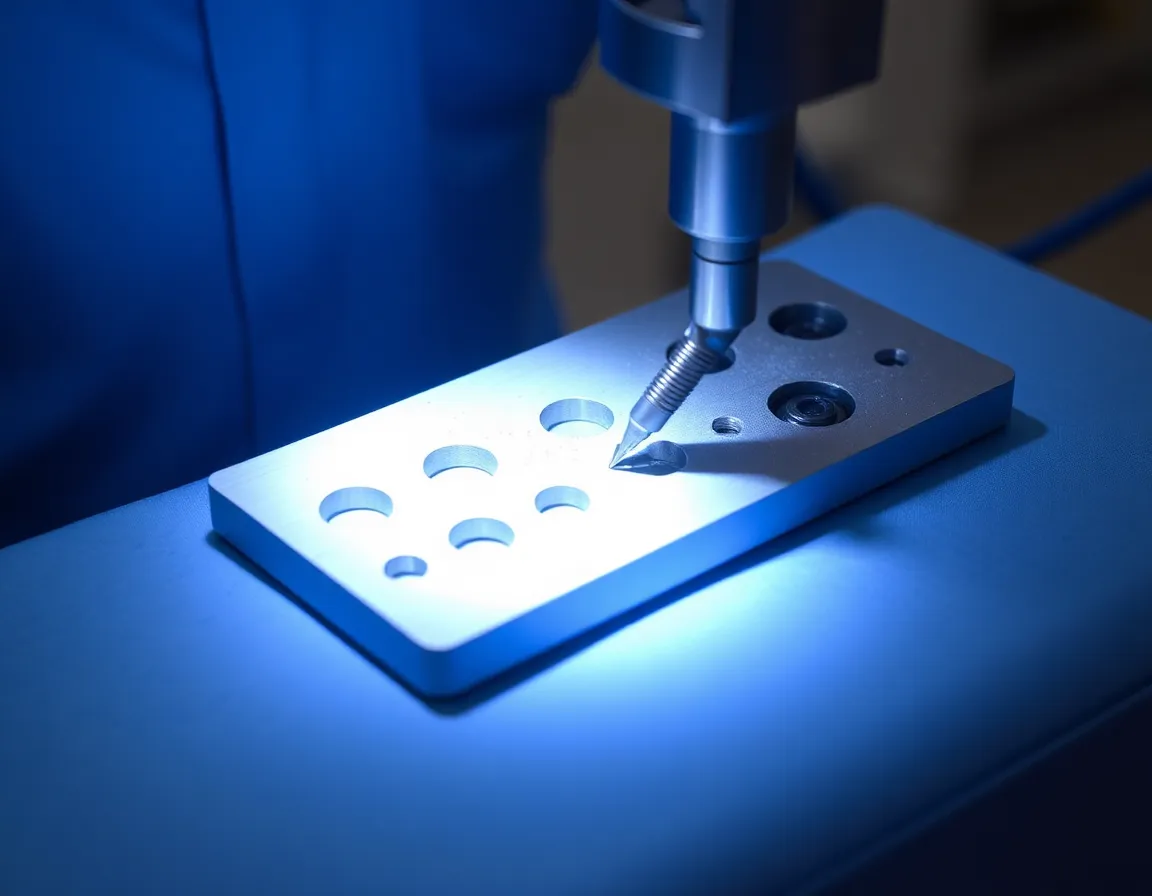
Endoscopy parts machining is a highly specialized subset of precision machining dedicated to the fabrication, refurbishment, and repair of components for flexible and rigid endoscopes. Unlike standard machining, it operates at micron-level tolerances and utilizes advanced materials to meet the exacting standards of medical device OEMs (Original Equipment Manufacturers). The process involves using computer-controlled (CNC) lathes, mills, and Swiss-type machines to create or restore parts that are often smaller than a grain of rice and must perform flawlessly in a biological environment.
Core Components Machined for Repair
The scope of machined parts is vast, covering nearly every mechanical and structural element of an endoscope:
- Channels & Components: Biopsy channel tubes, suction ports, air/water valves, and elevator wire channels. These must have perfectly smooth internal bores to prevent sample snagging or fluid turbulence.
- Distal End Components: The metal tip (distal end) housing, lens covers, light guide covers, and forceps elevators. These are often custom-fabricated to replace damaged units.
- Control Body Parts: Angulation knobs, locking levers, valve housings, and insertion tube fittings. These require ergonomic precision and durable threading.
- Connectors & Ports: Light guide connectors, video cable interfaces, and auxiliary water port fittings. Precision here ensures leak-proof connections and optimal data/light transmission.
The Precision Machining Process: From Failure to Function
The journey of repairing an endoscope part through machining is a meticulous, multi-stage process that blends engineering expertise with medical device compliance.
1. Diagnosis and Reverse Engineering
The process begins with a thorough inspection of the failed component. Using high-magnification microscopy and precision measurement tools like Coordinate Measuring Machines (CMM), technicians determine the exact dimensions, material composition, and type of failure. For obsolete parts or those unavailable from the OEM, reverse engineering is employed. A 3D scanner captures the component's geometry, which is then translated into a digital CAD (Computer-Aided Design) model, forming the blueprint for the CNC machine.
2. Material Selection and Preparation
Material integrity is non-negotiable. Machinists must select metals and polymers that are:
- Biocompatible and Corrosion-Resistant: Such as 300-series stainless steels (e.g., 304, 316L), titanium, and specific medical-grade plastics.
- Capable of Withstanding Sterilization: Materials must endure thousands of cycles of autoclaving (high-pressure steam) or chemical sterilization without degrading.
- Possessing the Right Mechanical Properties: This includes specific tensile strength, hardness, and machinability to create durable yet delicate features.
3. CNC Machining and Finishing
With the CAD model and material prepared, the CNC machining begins. This stage is where precision is physically realized:
- Micro-Machining: Utilizing tools as small as 0.1mm in diameter to create intricate channels and grooves.
- Usinagem Multi-Eixos: 5-axis CNC machines can produce complex, contoured shapes like distal ends in a single setup, ensuring perfect alignment of all ports and channels.
- Critical Finishing: Post-machining, parts undergo meticulous deburring, polishing, and surface finishing. A mirror-like finish inside biopsy channels, for example, is essential to prevent bacterial adhesion and facilitate easy cleaning.
4. Quality Assurance and Validation
Every machined part undergoes rigorous inspection. Dimensional accuracy is verified against the original OEM specifications or the reverse-engineered model using CMMs and optical comparators. Functional testing, such as pressure testing for air/water channels or fit-checks with existing endoscope assemblies, is conducted. Documentation of the entire process is maintained for traceability, a critical requirement for ISO 13485 (Medical Device Quality Management Systems) compliance.
The Tangible Benefits: Why Precision Machining is Indispensable
Investing in high-quality endoscopy parts machining delivers a compelling return on investment and operational advantages for hospitals, surgery centers, and third-party repair organizations.
Cost-Effectiveness and Sustainability
Replacing a single machined component costs a fraction of purchasing a new endoscope, which can range from $20,000 to over $80,000. This practice extends the operational life of capital equipment by years, promoting a sustainable, circular economy model for expensive medical technology.
Reduced Downtime and Operational Continuity
Specialized machining partners can often turn around critical parts in days, compared to weeks or months for OEM replacements or repairs. This minimizes the number of endoscopes needed in inventory and keeps vital clinical services running without interruption.
Preservation of OEM Performance and Safety
When performed to exact specifications, precision machining restores the endoscope to its original functional state. This ensures optimal image quality, responsive articulation, and reliable accessory passage—all critical for patient safety and procedural success. It also maintains the device's compliance with its original regulatory clearance.
Support for Obsolete and Legacy Scopes
As OEMs phase out support for older models, precision machining becomes the only viable option to keep these still-functional instruments in service. This is particularly crucial for budget-conscious facilities and in developing healthcare markets.
Best Practices for Successful Endoscopy Parts Machining Partnerships
To ensure repair success, healthcare technology management (HTM) teams should adhere to several key best practices when engaging with a machining provider.
Select a Specialized, Certified Partner
Not all machine shops are created equal. Seek a partner with demonstrable experience in medical devices, particularly endoscopes. Certifications like ISO 13485 are a minimum requirement, indicating a formalized quality management system for medical device manufacturing and repair.
Emphasize Material Traceability and Documentation
Insist on certificates of conformance for all raw materials. Full traceability from raw stock to finished part, including all machining parameters and inspection reports, is essential for regulatory compliance and risk management.
Prioritize Comprehensive Quality Assurance
Verify the shop's QA capabilities. They should have modern metrology equipment (CMM, optical scopes) and documented procedures for first-article inspection, in-process checks, and final validation. They should be willing to provide detailed inspection reports with each delivered part.
Foster Collaborative Communication
A successful repair is a collaboration. Provide the machining partner with as much information as possible: OEM part numbers, failure mode details, and the specific scope model. A good partner will offer engineering feedback and suggest design-for-manufacturability improvements on reverse-engineered parts when beneficial.
Conclusion: Precision as a Pillar of Patient Care
Precision machining for endoscope repair is far more than a technical back-office function. It is a vital engineering discipline that directly supports clinical excellence and healthcare economics. By enabling the reliable, cost-effective, and rapid restoration of sophisticated medical instruments, it ensures that clinicians have the tools they need when they need them. As endoscope technology continues to advance with finer optics and more complex mechanics, the role of ultra-precision machining will only grow in importance. In the delicate interface between human skill and medical technology, the work of the precision machinist ensures that the view inside the human body remains clear, the procedures safe, and the tools perpetually ready for the next critical case.