
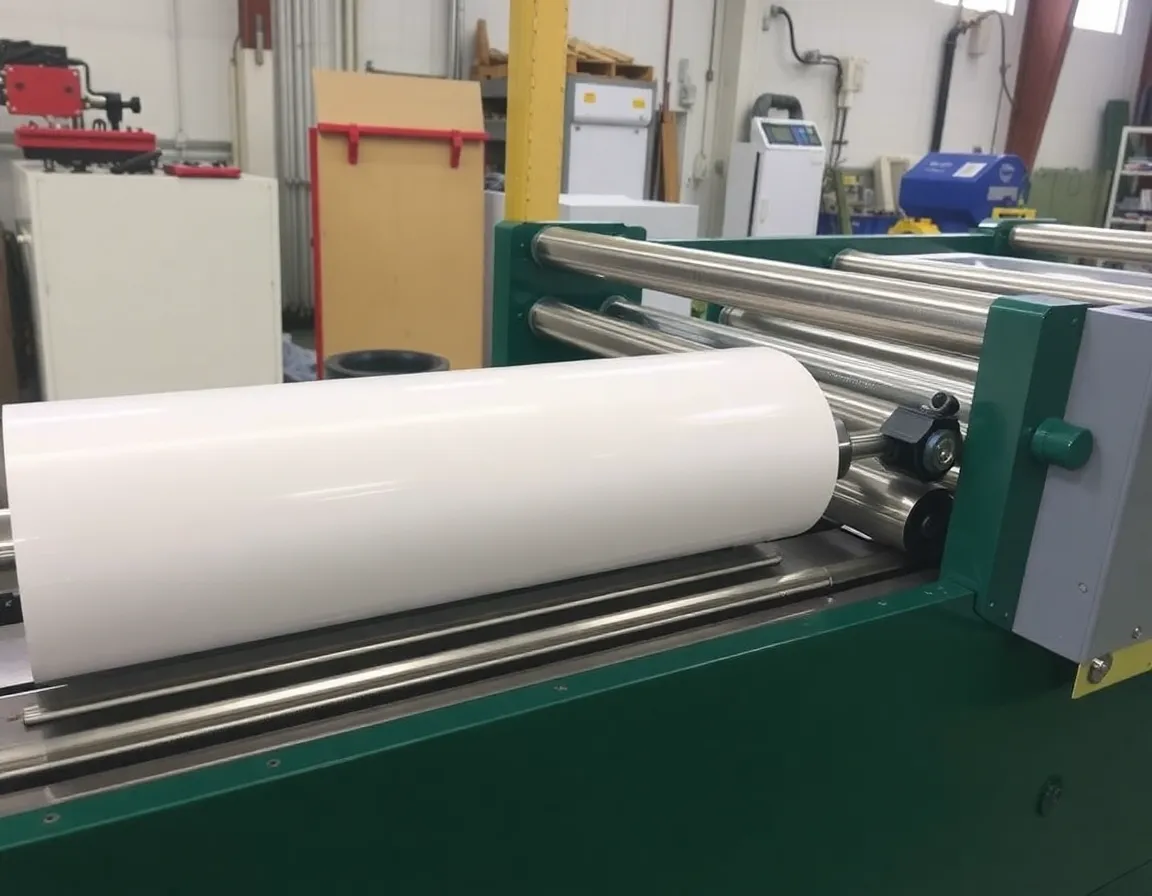
Custom plastic rollers are the unsung heroes of countless industrial processes. From conveyor systems in food processing plants to precision machinery in textile manufacturing, these engineered components keep operations running smoothly. But like any mechanical part, they wear down over time. The challenge is recognizing when your rollers have reached the end of their useful life—and understanding why an upgrade isn't just a maintenance task but a strategic investment in your operation's future.
This article explores the five critical signs that indicate your custom plastic rollers need an upgrade, along with the technical context that helps you make informed decisions about replacement and specification.
Understanding Custom Plastic Rollers: A Brief Overview
Custom plastic rollers are precision-engineered components manufactured from various polymer materials—including UHMW (ultra-high molecular weight polyethylene), nylon, acetal (POM), PTFE, and polyurethane—to meet specific operational requirements. Unlike off-the-shelf rollers, custom variants are designed around exact dimensions, load capacities, environmental conditions, and performance specifications unique to each application.
Cómo funcionan
At their core, plastic rollers function as rotational components that reduce friction between moving parts, guide materials through processes, or support loads while enabling movement. Their performance depends on several factors:
- Material composition: Determines chemical resistance, load-bearing capacity, and temperature tolerance
- Bearing system: Affects rotational efficiency and maintenance requirements
- Acabado superficial: Influences grip, friction characteristics, and material handling performance
- Dimensional precision: Ensures proper alignment and smooth operation
The engineering behind these components is more sophisticated than it appears. Custom rollers are often designed with specific durometer ratings (hardness measurements), tolerances measured in thousandths of an inch, and material formulations tailored to resist particular chemicals, temperatures, or wear patterns.
Sign #1: Visible Surface Degradation and Wear Patterns
The most obvious indicator that your custom plastic rollers require an upgrade is visible surface deterioration. However, not all wear is created equal—and understanding the type of degradation can tell you a great deal about whether you need a simple replacement or a complete redesign.
Common Surface Issues to Watch For
- Cracking or crazing: Indicates material fatigue or chemical incompatibility
- Glazing: A polished, shiny surface that reduces grip and traction
- Chunking or material loss: Suggests excessive load or abrasive wear
- Flattening or ovalization: Points to insufficient load capacity or prolonged static loading
- Discoloration: May signal chemical exposure, heat degradation, or UV damage
When surface degradation becomes pronounced, the consequences extend beyond aesthetics. A glazed roller may cause material slippage, leading to misalignment, jams, or product damage. Cracking can progress to catastrophic failure, potentially damaging adjacent equipment or creating safety hazards. If you can see or feel significant surface deterioration, it's time to evaluate an upgrade—not just a replacement with the same specification.
An upgrade opportunity exists here: if your rollers are wearing prematurely, a material change (for example, moving from acetal to UHMW-PE) or a design modification (such as increasing the roller diameter to reduce stress) may dramatically extend service life.
Sign #2: Declining Performance Metrics and Operational Efficiency
Sometimes the signs of roller degradation aren't visible to the naked eye—they show up in your production data. Custom plastic rollers that are past their prime often manifest through measurable performance declines that ripple through your entire operation.
Performance Indicators That Signal Trouble
Pay attention to these operational metrics:
- Increased energy consumption: Worn rollers create more friction, forcing motors to work harder
- Reduced line speed: If you're consistently running slower than your equipment's rated capacity, roller drag may be the culprit
- Higher scrap rates: Poor roller performance can cause material misalignment, resulting in defective products
- More frequent jams and stoppages: Degraded rollers lose their ability to maintain proper tension and tracking
- Increased noise levels: Squeaking, grinding, or rumbling often indicates bearing wear or surface degradation
Consider this scenario: a food processing facility notices that their packaging line has gradually slowed by 15% over six months. Maintenance teams check motors, belts, and drives—everything appears within specification. The culprit? Custom plastic rollers that have developed subtle surface glazing and bearing wear, creating cumulative drag across dozens of rollers in the system.
An upgrade in this situation might involve specifying rollers with improved bearing systems, better friction characteristics, or enhanced material formulations that resist glazing. The investment often pays for itself within months through energy savings and throughput improvements alone.
Sign #3: Frequent Failures and Unplanned Downtime
When custom plastic rollers start failing more frequently than your maintenance schedule anticipates, you're dealing with a clear signal that the current specification is no longer adequate for your application.
What Counts as "Frequent" Failure?
Every operation has a baseline for roller replacement. If you're replacing rollers more often than your historical averages—or more often than your maintenance budget anticipated—it's time to investigate. Specific red flags include:
- Rollers failing before their expected service life
- Multiple failures in the same location or application
- Cascading failures where one roller failure damages adjacent components
- Emergency replacements that disrupt production schedules
Each unplanned downtime event carries substantial costs: lost production, overtime labor, expedited shipping for replacement parts, and potential damage to downstream equipment. When these events become routine, the cost of continuing with your current rollers far exceeds the cost of upgrading.
Frequent failures often indicate that your application has outgrown your original roller specification. Perhaps your production speeds have increased, your material formulations have changed, or your operating environment has become more demanding. An upgrade—whether through material selection, dimensional changes, or bearing improvements—addresses the root cause rather than repeatedly treating the symptom.
Sign #4: Changed Operating Conditions or Application Requirements
Your custom plastic rollers were engineered for specific operating conditions. When those conditions change, your rollers may no longer be fit for purpose—even if they're not showing obvious signs of wear.
Common Condition Changes That Demand Roller Upgrades
- Increased production speeds: Higher speeds generate more heat and stress, potentially exceeding original design parameters
- Different material handling: New products may have different weights, abrasiveness, or chemical compatibility requirements
- Environmental changes: New washdown procedures, temperature extremes, or humidity levels can affect plastic performance
- Regulatory updates: Food safety regulations, for example, may require rollers that meet updated material standards (FDA, EU 10/2011, etc.)
- Load increases: Heavier products or higher throughput demands may exceed original load ratings
Consider a pharmaceutical manufacturer that switches from packaging tablets in plastic bottles to blister packs. The new packaging format may require different roller profiles, surface characteristics, or cleanliness standards. Continuing with existing rollers—even if they're in good condition—could compromise product quality or regulatory compliance.
Regularly review your roller specifications against current operating conditions. If there's a mismatch, an upgrade isn't just advisable—it may be essential for maintaining quality, safety, and compliance.
Sign #5: Technological Advancements and Better Material Options
Plastic materials science continues to advance. New polymer formulations, improved manufacturing techniques, and innovative design approaches regularly emerge—and these advancements can deliver significant improvements over rollers specified even a few years ago.
Areas Where Upgrades Deliver Measurable Benefits
- Advanced polymers: New blends offer improved wear resistance, lower friction, or better chemical compatibility
- Enhanced bearing designs: Sealed bearings, ceramic bearings, or maintenance-free bearing systems reduce downtime
- Improved surface treatments: Textured surfaces, plasma treatments, or specialized coatings enhance grip and release properties
- Better dimensional control: Modern CNC machining and molding techniques achieve tighter tolerances for smoother operation
- Additive manufacturing: 3D printing enables complex geometries and rapid prototyping of custom roller designs
If your custom plastic rollers were specified more than five years ago, it's worth investigating what today's options offer. Even if your current rollers are performing adequately, an upgrade may deliver meaningful improvements in efficiency, longevity, or maintenance requirements.
Best Practices for Custom Plastic Roller Upgrades
When you've identified that an upgrade is warranted, approach the process systematically to maximize the return on your investment.
Assessment and Specification
- Document current performance: Gather data on service life, failure modes, and operational metrics
- Identify root causes: Determine why existing rollers are underperforming
- Define upgrade objectives: Clarify whether you need longer life, better performance, reduced maintenance, or regulatory compliance
- Consult with manufacturers: Work with experienced custom roller suppliers who can recommend appropriate materials and designs
Implementation and Validation
- Start with a pilot installation: Test upgraded rollers in a limited application before full-scale deployment
- Establish baseline metrics: Measure performance before and after to quantify improvement
- Train maintenance staff: Ensure personnel understand proper installation and maintenance procedures for new rollers
- Monitor and optimize: Track performance over time and adjust specifications as needed
Conclusión
Custom plastic rollers are critical components that directly influence your operation's efficiency, product quality, and maintenance costs. Recognizing the five signs covered in this article—visible surface degradation, declining performance metrics, frequent failures, changed operating conditions, and available technological advancements—empowers you to make proactive decisions about upgrades rather than reactive responses to failures.
The most successful operations view roller upgrades not as expenses but as investments in reliability, efficiency, and competitive advantage. By staying attentive to the signs and working closely with experienced suppliers, you can ensure your custom plastic rollers continue to perform at their best—or better than they ever have before.