
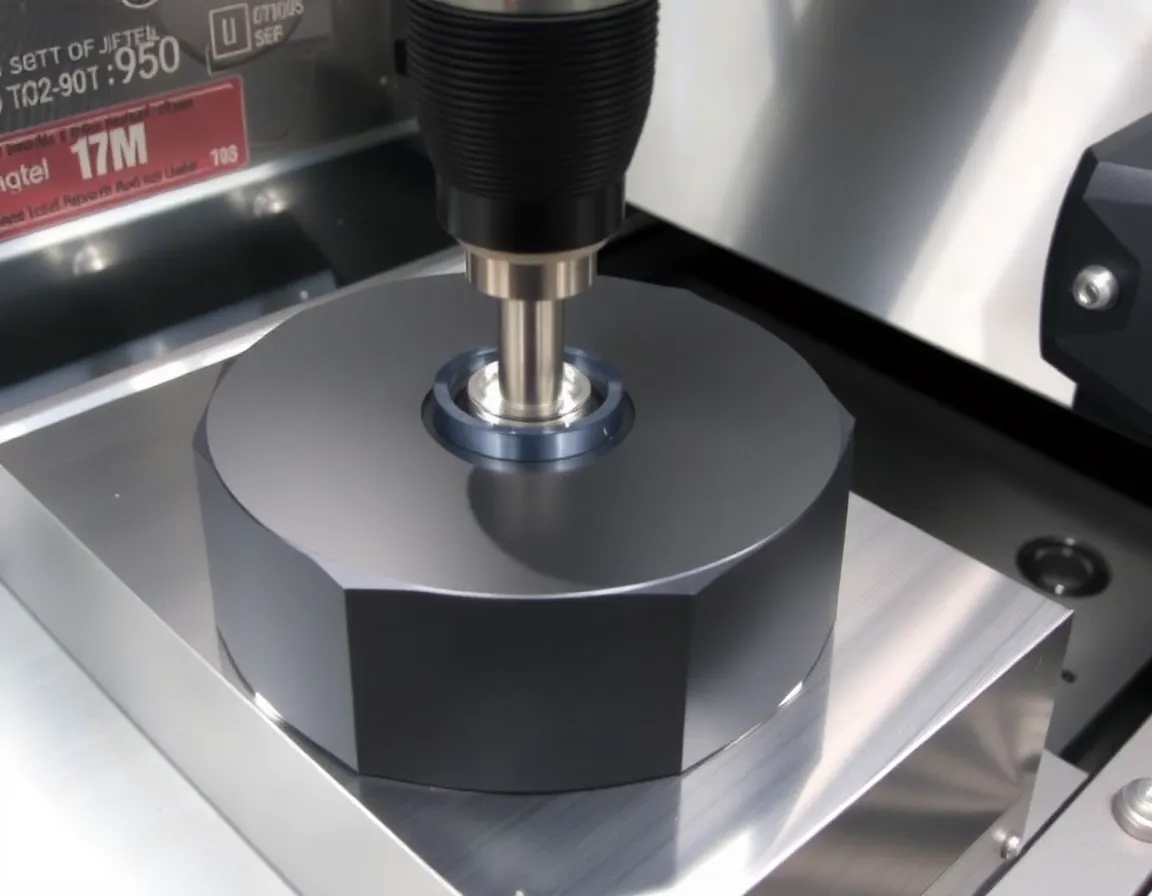
Custom soft jaws are one of the most effective tools a machinist can deploy to protect delicate parts, hold irregular geometries, and squeeze extra accuracy out of a workholding setup. Machined from aluminum, mild steel, brass, or engineering plastics, they are cut in place on the chuck or vise so that the gripping surface matches the part geometry to within microns. When they are made and used correctly, they distribute clamping force evenly, damp vibration, and allow aggressive machining of thin-walled or finished surfaces without leaving a mark.
Yet soft jaws are also one of the most commonly misapplied workholding solutions in the shop. Because they look simple — a block of aluminum with a pocket cut into it — it is easy to skip the details that make them work. The result is scrapped parts, jaw lift, taper, chatter, and hours of lost spindle time. The five mistakes below account for the majority of soft jaw failures, and each one is entirely preventable.
Mistake 1: Machining Jaws Off the Machine or Without Preload
The single biggest error is treating soft jaws like a standalone workpiece. A jaw that is machined on the bench, or in a vise, and then bolted to a chuck will never match the geometry it was cut for. Chucks have runout, scrolls have backlash, and jaw mounting surfaces have their own imperfections. The moment the jaw is transferred, the pocket is no longer concentric or parallel to the spindle axis.
Always Cut Jaws In Place
Soft jaws must be machined while mounted on the chuck or vise they will run on, with the same clamping force that will be used in production. This ensures the pocket reflects the real deflection of the system under load. The same principle applies to vises: cut the jaws while they are clamped in the vise, not before.
Preload the Chuck or Vise Correctly
If you machine jaws on an unloaded chuck, the jaws will spring open when the part is clamped, and the pocket will be oversized and tapered. The fix is to preload the jaws at a diameter close to the workpiece diameter using a preload ring, a dummy part, or a torque-controlled clamping setup. For vises, clamp a spacer block at the same force used in production. Match the preload to the actual clamping force — a jaw cut at 20 ft-lbs and used at 60 ft-lbs will grip on its outer edges only.
Mistake 2: Ignoring Jaw Lift and Clamping Dynamics
Soft jaws machined with a simple straight pocket often suffer from jaw lift: as the chuck closes, the master jaws rotate slightly and the top of the soft jaw tips inward, pushing the part up and out of the pocket. The part appears clamped, but it is actually perched on the jaw edges, leading to taper, runout, and — in the worst case — a part launched from the spindle.
Machine Reliefs and Clamping Features
Experienced machinists counter jaw lift by machining a small relief groove at the bottom of the pocket, or by cutting the pocket with a slight back taper so the part seats on the jaw face rather than the pocket walls. For vises, cutting a small clearance at the jaw root prevents the part from bottoming out on a radius corner.
Respect the Clamping Window
Soft jaws are only accurate over a narrow clamping range. Machining a pocket at 3.000 inches and clamping parts from 2.900 to 3.100 inches will produce inconsistent results because the jaw deflection changes with diameter. Dedicate a set of jaws to a specific diameter or a very tight range, and re-cut them when the range shifts.
- Preload at the production clamping force, not an arbitrary value.
- Cut a relief groove to prevent jaw lift and part rocking.
- Keep the clamping range within a few thousandths of the machined diameter.
- Verify seating with a dial indicator before committing to a cut.
Mistake 3: Choosing the Wrong Jaw Material and Geometry
Aluminum is the default choice for soft jaws, and for good reason: it is easy to machine, kind to finished surfaces, and inexpensive. But aluminum is not always the right answer. High-clamping-force applications, abrasive parts, or high-temperature environments can deform aluminum jaws or embed swarf into the gripping surface, which then transfers marks to every part.
Match Material to the Application
Verwenden Sie steel soft jaws for heavy clamping loads and long production runs, brass or copper jaws for delicate surfaces where galling is a concern, and engineering plastics such as POM or PEEK for optical parts, polished surfaces, and electrical components. Each material has a different stiffness, and that stiffness changes how much the jaw deflects under clamp force.
Design the Pocket for the Part, Not the Stock
A common geometry error is machining the pocket to the nominal part size with sharp corners. Real parts have corner radii, chamfers, and draft angles. A pocket with sharp internal corners will contact the part only at the corners, concentrating stress and causing distortion. Machine corner reliefs and match the pocket profile to the actual part geometry, including any draft or fillet. For thin-walled parts, consider a pocket that supports the wall along its full length rather than clamping at discrete points.
Mistake 4: Skipping Maintenance and Re-Qualification
Soft jaws are consumables, but they are often treated as permanent fixtures. Over time, the pocket wears, swarf embeds in the gripping surface, and the jaw faces develop burrs. Each of these conditions degrades accuracy gradually, so the drift is easy to miss until parts start failing inspection.
Inspect and Clean Before Every Setup
Before mounting a set of soft jaws, clean the master jaw serrations and the jaw mounting faces. A single chip trapped between the soft jaw and the master jaw can shift the pocket by several thousandths. Check the pocket for embedded swarf, burrs, and wear marks, and stone or re-cut as needed.
Re-Cut Jaws When the Process Drifts
When runout or taper begins to creep, the correct response is to re-machine the jaws in place, not to compensate in the program. Re-cutting restores concentricity and parallelism and takes only minutes. Keep a log of when each set was cut and at what diameter, and retire jaws that have been re-cut so many times that the pocket no longer has adequate depth.
- Clean master jaw serrations and mounting faces at every setup.
- Inspect pockets for embedded chips, burrs, and wear.
- Re-cut jaws in place when runout or taper appears.
- Track jaw history and retire worn sets before they cause scrap.
Mistake 5: Overlooking Safety and Documentation
Because soft jaws are custom-made, they carry custom risks. A jaw pocket that is too shallow, a jaw that is overhung too far from the master jaw, or a clamping force that exceeds what the jaw material can withstand can lead to jaw fracture or part ejection. These failures happen suddenly and without warning.
Respect Jaw Overhang and Clamp Force Limits
Keep the soft jaw as short and as well-supported as the part allows. Excessive overhang multiplies the bending load on the jaw and the master jaw, and aluminum jaws in particular can crack at the root. Never exceed the chuck manufacturer's clamping force rating, and derate it for tall or thin jaws. For high-speed operations, verify that the jaws and part are balanced and that clamp force is sufficient at speed.
Document the Setup
Record the preload diameter, clamping force, pocket dimensions, and jaw material for every custom set. This documentation turns a one-off success into a repeatable process and gives the next machinist a starting point instead of a guess. It also makes it possible to diagnose problems quickly when a setup that worked last month suddenly produces out-of-tolerance parts.
Getting Workholding Right
Custom soft jaws reward discipline. The shops that get the most from them treat jaw machining as a precision operation: cut in place, preload correctly, design for the real part geometry, maintain and re-qualify the jaws, and document every setup. Avoid the five mistakes above — machining off the machine, ignoring jaw lift, choosing the wrong material and geometry, skipping maintenance, and neglecting safety and documentation — and soft jaws become what they were meant to be: a fast, repeatable, and gentle way to hold difficult parts. The payoff is fewer scrapped workpieces, shorter setup times, and a workholding process that holds tolerance run after run.