
+86-188-7042-1176
project@jcproto.com
Mon-Fri: 8am-6pm (GMT+8)
EN
ISO 9001:2015 Certified
Brushing
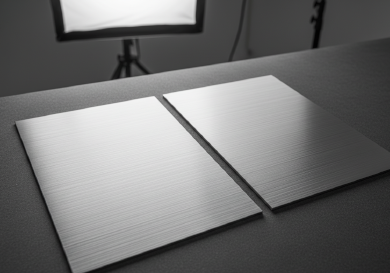
Brushing (also known as Directional Finishing) is a surface finishing process used to produce a uniform, satin-like texture with visible grit lines running in a specific direction. It is the industry standard for creating the classic “Stainless Steel Look” found on high-end appliances and architectural panels.
At Jucheng Precision, we utilize automated belt sanders and specialized abrasive wheels (Scotch-Brite) to achieve consistent grain patterns. Brushing is not only aesthetic; it effectively masks minor CNC tool marks and surface defects while reducing the visibility of fingerprints. We commonly brush Stainless Steel, Aluminum, and Brass components to enhance their premium feel.
Key Specifications
| Specification | Technical Range | Note |
|---|---|---|
| Max Part Size | 1200 mm x 1000 mm x 100 mm | Flat parts preferred |
| Grit Options | #120 to #320 Grit | #180 is standard “No. 4” |
| Surface Roughness (Ra) | 0.5 µm – 1.5 µm | Satin feel |
| Compatible Materials | Stainless Steel, Aluminum, Brass, Copper | Hard metals brush best |
| Material Removal | 0.01mm – 0.03mm | Minimal dimension change |
| Standard Lead Time | 2 – 3 Days | Quick turnaround |
Brushing Styles
| Style | Description | Key Benefits & Applications |
|---|---|---|
| No. 4 Finish | The most common architectural finish. Created using 120-180 grit belts. Short, interrupted parallel grain lines. | Benefit: Low glare, hides fingerprints and scratches well. App: Kitchen appliances, elevator panels, handrails. |
| Hairline Finish | Long, continuous, unbroken grain lines running the entire length of the part. Usually finer grit (240+). | Benefit: Elegant, premium aesthetic. Elongates the look of the part. App: High-end audio faceplates, luxury automotive trim. |
| Satin / Scotch-Brite | A softer, less distinct grain created with non-woven abrasive pads. More of a matte glow than distinct lines. | Benefit: Very smooth touch, uniform luster. App: Aluminum electronic enclosures, handles. |
Design Guidelines for Brushing
Grain Direction:
Brushing is directional. You must specify the direction of the grain (e.g., “Grain parallel to long edge”) on your drawing. Misaligned grain can ruin the aesthetics of an assembly.
Flat Surfaces Only:
Brushing works best on flat, planar surfaces. Curved or complex 3D shapes are difficult to brush evenly by machine and may require expensive hand finishing.
Through Holes:
When a brush belt passes over a hole, it can slightly round the edges (“wash out”) or leave a burr on the trailing edge. We typically deburr holes after brushing.
Raised Features:
Avoid designs with raised bosses or obstructions on the surface to be brushed. The belt sander cannot reach “around” obstacles. The surface should be unobstructed.
Industry Applications
Consumer Electronics
Aluminum faceplates for amplifiers and receivers utilize Hairline brushing to create a high-value metallic look.
Architecture & Design
Stainless steel switch plates, elevator interiors, and kick plates use No. 4 finish for durability and ease of cleaning.
Automotive Interiors
Brushed aluminum or stainless steel trim pieces for dashboards and door sills provide a sporty, modern aesthetic.
Industrial Panels
Control panels and faceplates are brushed to reduce glare and hide wear marks from daily operation.