
What Are Metal Finishing Services and Why Are They Critical?
In the world of manufacturing and engineering, raw metal components are rarely the final product. They are the foundation, possessing inherent strength but also vulnerabilities like corrosion, wear, and aesthetic shortcomings. Metal finishing services are the critical, value-adding processes that bridge this gap, transforming base metals into high-performance, durable, and functional parts. At its core, metal finishing is the application of a supplementary layer or treatment to a metal substrate to enhance its properties. This isn’t merely a cosmetic afterthought; it is a fundamental engineering step that determines a component’s lifespan, reliability, and suitability for its intended application. From the smallest fastener in a smartphone to the largest piston in a diesel engine, metal finishing is the unsung hero that ensures performance under pressure.
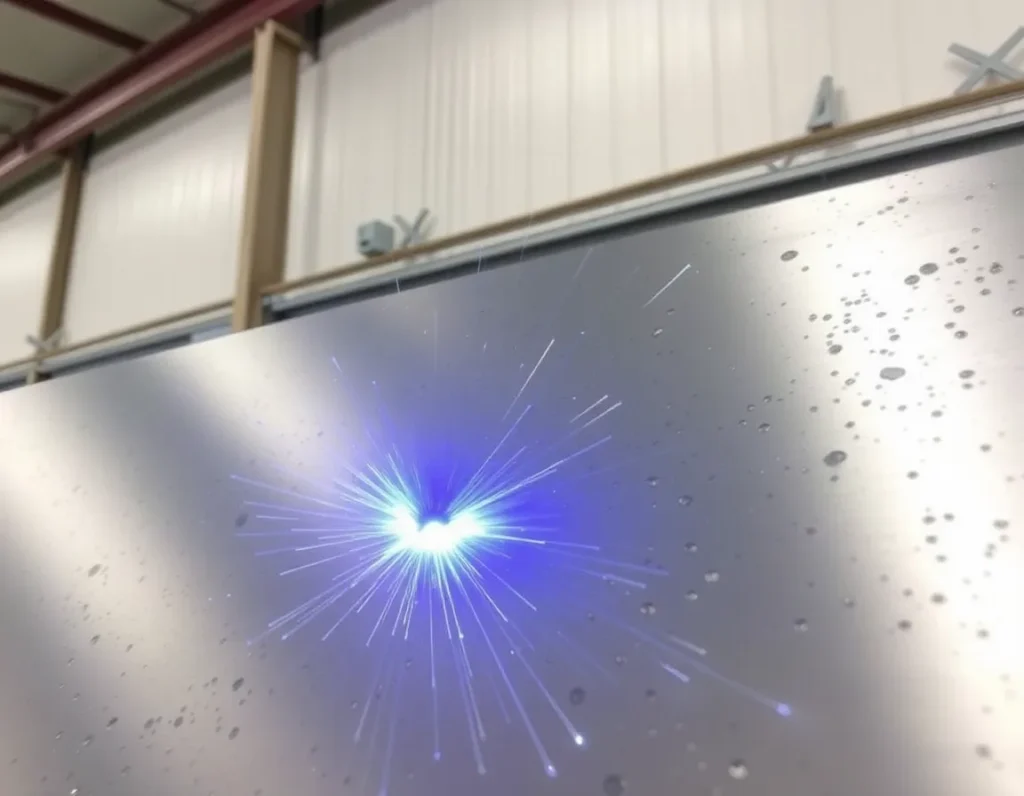
The criticality of these services cannot be overstated. Without proper finishing, a steel part exposed to moisture will rust, compromising structural integrity. A moving component in machinery will wear down prematurely, leading to catastrophic failure. An electrical contact may corrode, causing system-wide malfunctions. Metal finishing directly combats these failures by providing a tailored shield. It enhances corrosion resistance, increases surface hardness to prevent wear, improves electrical conductivity or resistance, provides a base for paint adhesion, and can even alter the aesthetic appeal of a part. For industries where failure is not an option—such as aerospace, automotive, and defense—partnering with a proficient provider of metal finishing services is as crucial as the design and material selection itself. It is the final, definitive step that unlocks a metal component’s full potential and ensures it meets the rigorous demands of the modern world.
Understanding the Core Metal Finishing Processes: Plating, Coating, and More
Metal finishing encompasses a diverse family of technologies, each with a specific mechanism and purpose. Understanding these core processes is key to specifying the right finish for any application. They can be broadly categorized into plating, conversion coatings, and organic coatings, with specialized services supporting the entire ecosystem.
Plating
Plating involves depositing a layer of metal onto the surface of a substrate (the base metal part). This is primarily achieved through two methods: electroplating and electroless plating. Electroplating uses an electrical current to reduce dissolved metal cations, causing them to form a coherent metal coating on an electrode (the part). This method allows for precise control over thickness and is used for finishes like zinc, chrome, and copper. Electroless plating, in contrast, uses an autocatalytic chemical reaction to deposit metal, resulting in a uniform coat even on complex geometries without the need for electricity.
Conversion Coatings
Unlike plating, which adds a new layer, conversion coatings chemically transform the surface of the base metal into a protective layer. This is achieved by immersing the part in a chemical bath that reacts with the surface to create an integral, non-metallic coating. Examples include zinc phosphate and black oxide. These coatings are typically thinner than plated layers, offer excellent paint adhesion, and provide good corrosion resistance, often when sealed with an oil or wax.
Supporting & Specialized Services
The finishing process is supported by essential preparatory and final treatments. This includes meticulous cleaning and degreasing to ensure adhesion, abrasive blasting for surface preparation, and specialized treatments like passivation (for stainless steel to enhance its natural oxide layer) and hydrogen embrittlement relief baking (to remove trapped hydrogen that can make high-strength steel brittle). Companies like R&S Plating highlight the importance of this full-spectrum approach, offering everything from comprehensive masking to nital etching and white layer removal alongside their plating capabilities, ensuring a complete solution for complex finishing specifications.
The Science of Protection: How Metal Finishing Combats Corrosion and Wear
The protection offered by metal finishing isn’t magic; it’s applied materials science. It fundamentally alters the interaction between the base metal and its environment through two primary mechanisms: barrier protection and sacrificial protection.
Barrier Protection is the most straightforward concept. The finish acts as a physical, impermeable shield that prevents corrosive agents (like oxygen, water, and salts) from reaching the underlying substrate. Think of it as a raincoat for metal. Finishes like electroless nickel, hard chrome, and high-quality paint systems excel here. They create a dense, non-porous layer that isolates the part from its environment. The effectiveness depends on the coating’s inherent density, thickness, and adhesion. Any crack or pore in the barrier becomes a potential failure point, which is why process control and uniformity are so vital in applications like automotive or aerospace components.
Sacrificial Protection is a more active form of defense, most famously employed by zinc plating. In this method, the coating metal is more chemically active (anodic) than the substrate metal (cathodic). When this coated system is exposed to a corrosive environment, the zinc layer sacrificially corrodes instead of the underlying steel. The zinc essentially “gives itself up” to protect the base metal. This process continues until the zinc is fully consumed. This galvanic action provides exceptional protection, even at scratches or cut edges where the steel is exposed, making it a cornerstone for rust prevention on fasteners and structural parts.
To combat wear, finishes increase surface hardness and reduce friction. Processes like hard chrome plating or electroless nickel with phosphorus co-deposit create an extremely hard, slick surface that resists abrasion, galling, and fatigue. This is critical for parts like hydraulic rods, engine cylinders, and tooling, where constant motion and contact would quickly degrade an untreated surface. The science of metal finishing, therefore, is about selecting and applying the right combination of chemical and physical properties to defeat the specific degradation threats a part will face in service.
Electroless Nickel Plating: Superior Uniformity for Complex Parts
For components with intricate geometries, deep recesses, or complex internal passages, achieving a consistent protective coating can be a significant challenge. Electroless nickel (EN) plating rises to this challenge, offering superior uniformity without the limitations of electrical current distribution. As highlighted by CKP Inc., this process provides a “unique combination of corrosion and wear resistance” that is indispensable for advanced industries.
The electroless process is autocatalytic. The part is immersed in a heated bath containing nickel ions and a chemical reducing agent. A reaction occurs directly on the catalytic surface of the part, depositing a nickel-phosphorus alloy evenly across every surface, regardless of shape. This results in a coating with a uniform thickness from edge to edge, inside and out—a feat nearly impossible for electroplating on complex shapes. This uniformity ensures consistent performance and protection across the entire component, eliminating weak spots.
The benefits of EN plating extend far beyond uniformity. The nickel-phosphorus deposit is naturally hard and can be further hardened by heat treatment, providing exceptional resistance to wear and abrasion. It also offers excellent corrosion resistance against a wide range of chemicals, fuels, and solvents. Furthermore, it provides a naturally lubricious surface with consistent friction coefficients, which is valuable in applications involving sliding contact. For these reasons, electroless nickel is a preferred finish in the automotive industry for fuel system components, in aerospace for valves and actuators, and in electronics for providing EMI/RFI shielding and corrosion protection on delicate parts. Its ability to plate uniformly onto non-conductive materials like plastics also expands its utility into advanced composite applications.
Zinc Plating: The Cost-Effective Champion for Rust Prevention
When the primary threat is rust and cost-effectiveness is paramount, zinc plating stands as the undisputed champion. It is one of the most widely used metal finishing services globally, prized for its robust sacrificial protection and economical application. As described by both CKP Inc. and R&S Plating, zinc plating is the go-to solution for protecting ferrous metals like iron and steel “against the relentless forces of corrosion.”
The process typically involves electroplating, where the steel part is made the cathode in an electrolyte solution containing zinc ions. When current is applied, zinc metal deposits onto the part’s surface, creating a bright, silvery coating. This layer serves as a physical barrier, but its true value is in its role as a sacrificial anode. The zinc will corrode preferentially to the steel, providing galvanic protection that continues to guard exposed steel at cut edges or scratches—a critical advantage for fasteners and assembled structures.
Zinc plating is highly versatile and can be tailored with different post-treatments, known as passivates or chromates, which are applied after plating. These treatments, which can be clear, blue-bright, yellow (iridescent), or black (as noted by R&S Plating), dramatically enhance corrosion resistance. A yellow chromate, for instance, can increase the salt spray resistance of a zinc-plated part from a few hours to over 100 hours before white rust appears. The black zinc finish offers both protection and a desirable aesthetic for architectural hardware or automotive brackets. The combination of low material cost, high-speed plating processes (especially barrel plating for small parts), and exceptional protective value makes zinc plating an essential, economical workhorse for industries ranging from agriculture and construction to appliance manufacturing and general hardware.
Zinc Phosphate Coating: The Perfect Primer for Paint and Oil
While zinc plating creates a metallic barrier, zinc phosphate coating operates on a different principle, transforming the surface of the metal itself to create an ideal foundation for further protection. This process, as described by CKP Inc., involves converting the steel surface into a layer of iron phosphate. This crystalline, non-metallic coating is micro-porous, providing exceptional adhesion for subsequent layers like paint, powder coat, or oil. Its primary role is not as a standalone finish but as a synergistic pretreatment that dramatically enhances the performance and longevity of the final coating system.
The magic of zinc phosphate lies in its ability to lock in protective agents. When a part is coated with a heavy zinc phosphate layer and then treated with a dry-to-touch oil—a standard practice at quality finishers—the oil is absorbed into the coating’s porous structure. This creates a robust, long-lasting barrier against corrosion that is difficult to wash or wear away. This combination is exceptionally effective for components that operate in harsh, lubricated environments, such as automotive chassis parts, fasteners, and hydraulic cylinders. The phosphate layer prevents under-paint corrosion (creep) by physically blocking moisture from spreading beneath the paint film if the surface is scratched, making it indispensable for durable goods in agriculture and heavy equipment.
Black Oxide Coating: Dimensional Stability and a Decorative Finish
For applications where maintaining precise part dimensions is as critical as providing corrosion protection, black oxide coating is the go-to solution. This chemical conversion process, used by finishers like CKP Inc., coats ferrous materials (steel, stainless steel, cast iron) in magnetite (Fe3O4), a black iron oxide. Unlike electroplating, which adds a measurable layer of metal, black oxide creates a surface transformation that adds mere millionths of an inch, preserving the original tolerances of gears, bearings, firearms components, and precision tools.
The resulting finish is a deep, attractive matte black that reduces light glare and offers mild corrosion resistance. However, similar to zinc phosphate, its true protective power is unlocked with a post-treatment oil or wax. After the oxide conversion, parts are immersed in a rust-preventative oil, which seals the micro-porous surface. This oil-impregnated layer provides good protection for indoor applications or parts in controlled environments. Black oxide is prized not only for its dimensional stability but also for its aesthetic appeal in consumer goods, architectural hardware, and military equipment, offering a classic, non-reflective finish that is both functional and decorative.
Specialized Plating Services: Hard Chrome, Cadmium, Copper, and Passivation
Beyond the common workhorse finishes, specialized plating processes address unique challenges involving extreme wear, conductivity, or environmental specifications. These services, such as those offered by R&S Plating, require specific expertise and are critical for advanced engineering applications.
Hard Chrome Plating
Hard chrome is an electroplated layer of chromium known for exceptional hardness, low coefficient of friction, and superior wear resistance. It is extensively used to rebuild and protect components subject to intense abrasion and corrosion, such as hydraulic piston rods, industrial rollers, mold surfaces, and aircraft landing gear. The dense, polished surface resists galling and seizing, extending service life in demanding mechanical systems.
Cadmium Plating
Cadmium plating offers excellent corrosion protection, particularly in salt-spray environments, and provides natural lubricity, making it ideal for aerospace fasteners, bolts, and electrical connectors. Its galvanic properties are favorable for protecting steel, and it is easily solderable. Due to environmental and health regulations, cadmium plating is a tightly controlled process, making partnership with an experienced, compliant finisher essential.
Copper Plating
Copper plating is primarily valued for its high electrical and thermal conductivity. It is often used as an undercoat for other plated finishes to improve adhesion and coverage, or as a standalone finish for electrical bus bars, RFI/EMI shielding, and heat sinks. Its malleability also makes it useful in applications requiring a ductile layer.
Passivation
Passivation is a critical chemical process for stainless steel, not a plating application. It involves a meticulous cleaning and chemical bath (typically nitric or citric acid) that removes free iron particles from the surface, allowing the formation of a uniform, passive chromium oxide layer. This process, highlighted by R&S Plating, maximizes stainless steel’s inherent corrosion resistance, restoring its protective oxide layer after machining or welding. It is essential for medical instruments, food processing equipment, and aerospace components where purity and corrosion resistance are paramount.
Beyond Plating: Essential Supporting Services in Metal Finishing
A comprehensive metal finishing services provider does far more than apply coatings. The value lies in a full suite of preparatory and post-treatment processes that ensure part integrity and finish performance. These supporting services are what transform a simple plating job into a complete finishing solution.
Proper surface preparation is the non-negotiable foundation. This includes abrasive blasting to remove scale and oxidation, precision chemical cleaning and degreasing to eliminate contaminants, and acid pickling to activate the metal surface for optimal adhesion. Post-plating treatments are equally vital. Baking for hydrogen embrittlement relief is a mandatory safety step for high-strength steel parts after processes like electroplating, as it drives out hydrogen absorbed during plating that can cause catastrophic brittle failure. Masking is an art in itself, using specialized tapes, plugs, and lacquers to protect specific areas like threads or sealing surfaces from plating. Additional services like nital etching (for inspecting case hardening), white layer removal (to eliminate brittle nitrided surfaces), and comprehensive quality testing for thickness, adhesion, and corrosion resistance round out the capabilities of a true partner like R&S Plating, ensuring every part meets exact specifications.
Key Industries Served by Metal Finishing: From Automotive to Aerospace
The transformative effects of metal finishing are fundamental to the performance, safety, and longevity of products across virtually every manufacturing sector. Each industry leverages specific finishes to solve its unique set of challenges.
- Automotive: This is a cornerstone industry for finishers like CKP Inc. Every vehicle contains hundreds of plated and coated parts. Zinc-plated and zinc phosphate-coated fasteners, brackets, and chassis components fight road salt corrosion. Electroless nickel protects fuel system components and ABS sensors from wear and chemical attack. Hard chrome rebuilds shock absorbers and piston rods. The relentless drive for lighter weight and longer warranties pushes continuous innovation in coating technology.
- Aerospace & Defense: Here, failure is not an option. Finishes must meet extreme performance standards (e.g., AMS, MIL-SPEC). Cadmium and passivation are critical for airframe fasteners and fittings. Electroless nickel provides uniform protection for complex turbine components. Hard chrome plating withstands the wear of landing gear and flight control actuators. Specialized masking and precision processing are routine for these high-value, safety-critical components.
- Agriculture & Heavy Equipment: Durability against mud, moisture, fertilizer, and abrasive dust is paramount. Heavy zinc phosphate coatings under paint protect tractor frames and combine harvesters. Thick electroless nickel or hard chrome plating guards hydraulic cylinders and ploughshares from extreme wear. These finishes ensure machinery survives the harshest operating seasons.
- Appliance & Electronics: Aesthetics, corrosion resistance, and functionality converge. Decorative chrome and nickel provide a bright, durable finish for faucets and appliance trim. Zinc plating protects internal steel components from humidity. Copper plating and passivation are essential for electronic heat sinks and stainless steel food-contact surfaces in dishwashers and refrigerators.
- Medical & Food Processing: Biocompatibility, cleanability, and corrosion resistance are critical. Passivation of stainless steel surgical tools and implantable device components prevents contamination and pitting. Electroless nickel offers a hard, hygienic, and corrosion-resistant surface for sterilization trays and processing equipment.
- Construction & Hardware: Architectural finishes must look good and last for decades. Black oxide and zinc plating with various chromates provide both corrosion protection and desired aesthetics for door hardware, fasteners, and structural steel connections. The right finish prevents unsightly rust stains and maintains structural integrity.
From the engine of a car to the bolt on a satellite, metal finishing services are an indispensable, value-adding step in modern manufacturing, enabling materials to perform far beyond their innate capabilities.