
Introduction: The Precision and Appeal of Machined Volume Knobs
In a world of intangible digital interfaces and disposable plastic parts, there exists a profound satisfaction in the tactile. The simple act of adjusting volume is transformed from a mundane task into a sensory experience when your fingers meet a solid, precisely crafted control. This is the domain of machined volume knobs. Far more than mere accessories, these components represent a confluence of engineering precision, material science, and artistic design. They are the physical interface between the user and the intricate electronics within, serving as both a functional tool and a statement of intent. For audiophiles, musicians, and gear enthusiasts, upgrading to a machined knob is not just about looks; it’s about reclaiming a tangible connection to the music and the machinery that reproduces it, elevating everyday interaction into something deliberate and rewarding.
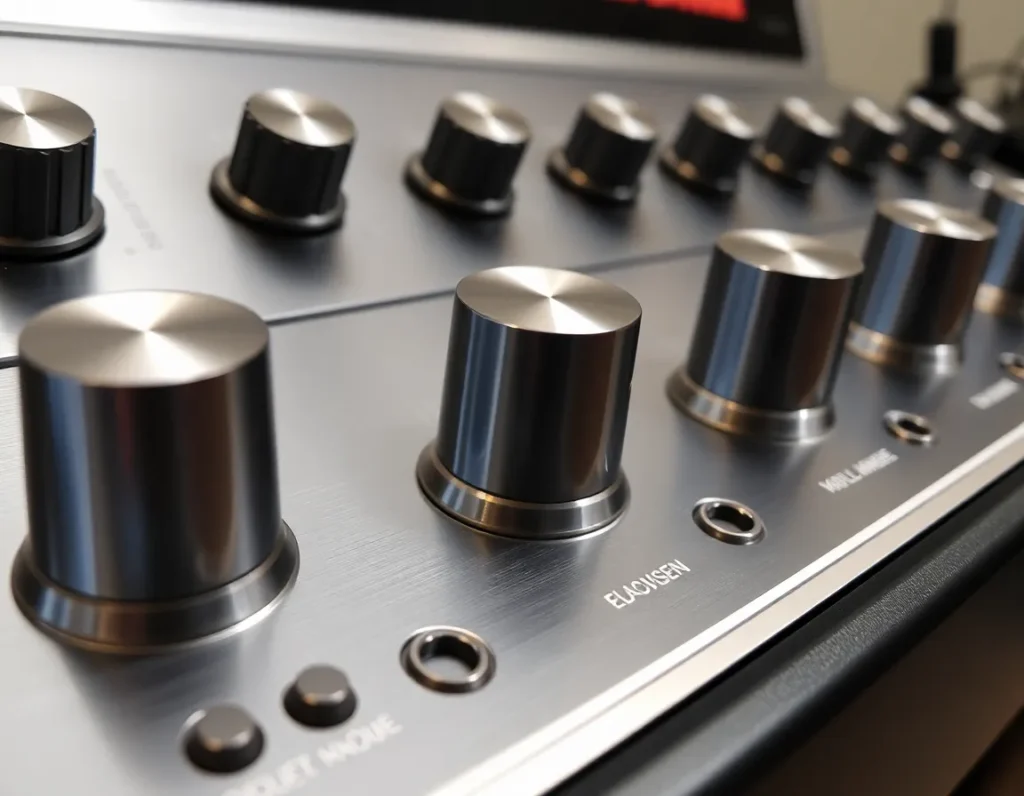
What Are Machined Volume Knobs? Defining Form, Function, and Fabrication
At their core, machined volume knobs are control knobs manufactured through a subtractive machining process, most commonly Computer Numerical Control (CNC) machining. Unlike their mass-produced counterparts, which are typically injection-molded from plastic, machined knobs start as a solid block of raw material—aluminum, brass, stainless steel, or even exotic alloys. A CNC machine, guided by digital design files, then methodically cuts, drills, and shapes this block into the final product with tolerances measured in thousandths of an inch. This fundamental difference in fabrication defines their entire character.
Form follows this precise function. A machined knob is designed first for reliable mechanical interface, featuring a precisely bored shaft hole (often with a set screw) to ensure a perfect, slip-free fit on the potentiometer. Its outer form—whether a classic dome, a fluted skirt, or a modern pointer style—is then sculpted from the solid metal. This process guarantees consistency, durability, and a level of detail impossible with molding. The function is twofold: to provide a secure grip for accurate adjustment and to house the user’s connection to the circuit it controls. In essence, a machined volume knob is a bespoke mechanical component that prioritizes longevity, precision, and sensory feedback over cost-effective, high-volume production.
The Anatomy of a Quality Knob: Materials, Finishes, and Mechanical Design
Dissecting a high-quality machined knob reveals a thoughtful integration of three critical elements: the base material, its surface finish, and the underlying mechanical design. Each plays a pivotal role in the knob’s performance, feel, and aesthetics.
Materials
The choice of material dictates weight, durability, thermal conductivity, and machining characteristics. Aerospace-grade aluminum alloys, such as 6061-T6, are the most popular due to their excellent strength-to-weight ratio, corrosion resistance, and ease of machining, resulting in a knob that feels substantial but not overly heavy. Brass offers greater density for a supremely “hefty” feel, excellent conductivity, and a distinctive warm hue that ages beautifully. Stainless steel provides extreme durability and a modern, industrial look, though it is harder to machine. For the ultimate statement, materials like titanium, copper, or even tungsten are used, offering unique visual and tactile properties.
Finishes
The finish protects the material and defines the visual and tactile personality. It starts with meticulous surface preparation—sanding, tumbling, or bead blasting—to create a uniform texture. From there, options abound:
- Anodizing (for Aluminum): An electrochemical process that creates a hard, porous oxide layer, which can then be dyed in virtually any color. Type II anodizing offers good corrosion resistance, while Type III (hard anodizing) provides an exceptionally durable, wear-resistant surface.
- Plating & Coating: Brass and steel knobs may be plated with nickel, chrome, or black zinc for protection and shine. Powder coating creates a thick, textured, and highly durable colored finish.
- Raw & Brushed: Some prefer the raw, honest look of machined metal, often with a brushed or sandblasted satin texture that resists fingerprints and shows off the material’s natural grain.
- Engraving & Infilling: Precision laser or CNC engraving can add indicators, logos, or scales, which are often infilled with colored paint for high contrast and legibility.
Mechanical Design
This is the unseen hero. A quality knob’s internal design ensures it mates perfectly with the shaft. Key features include a precisely sized bore (6.0mm for standard knurled shafts, 6.35mm/¼” for split shafts, etc.), a well-engineered set screw (often stainless steel) that threads smoothly into a robust boss without stripping, and potentially a knurled or lined grip surface. The knob’s weight and balance are also considered; a well-designed knob has a center of mass aligned with the shaft for a smooth, wobble-free rotation. This trinity of material, finish, and mechanics separates a premium component from a simple decorative cap.
From CAD to Completion: The CNC Machining Process Explained
The journey of a machined volume knob from concept to physical object is a marvel of modern manufacturing. It begins not on the factory floor, but in the digital realm with Computer-Aided Design (CAD). A designer creates a precise 3D model, defining every curve, angle, and internal dimension. This model is more than a picture; it contains the exact geometric data that will guide the machines. The CAD file is then translated into machine instructions via Computer-Aided Manufacturing (CAM) software, which generates the G-code—a programming language that tells the CNC machine every movement of its cutting tools.
The raw material, a cylindrical bar or rectangular block, is securely clamped into the CNC machine. Modern machining centers are often 3-axis or 5-axis, allowing the cutting tool to approach the workpiece from multiple angles in a single setup, enabling complex geometries. The process is subtractive: high-speed end mills, drills, and taps systematically remove material. A typical sequence might involve:
- Facing: Creating a flat reference surface.
- Profiling: Cutting the outer contour of the knob.
- Boring: Precisely drilling and sizing the central shaft hole.
- Detail Machining: Adding grip knurling, flutes, or decorative grooves.
- Tapping: Cutting the threads for the set screw hole.
- Parting Off: Separating the finished knob from the raw stock.
Throughout, cutting fluids are used to cool the tool and workpiece, ensuring a clean cut and preserving tool life. After machining, each part undergoes deburring to remove any sharp edges, followed by a rigorous quality check for dimensions and finish. Finally, the knobs are sent for finishing (anodizing, plating, etc.) before final assembly, which may involve installing the set screw and any inserted indicators. This controlled, digital-to-physical process guarantees that every knob in a batch is virtually identical, a testament to precision manufacturing.
Why Upgrade? The Tangible Benefits of Machined Audio Controls
Replacing a stock plastic knob with a machined metal one might seem like a purely aesthetic choice, but the benefits are deeply functional and perceptually significant. The upgrade delivers improvements you can see, feel, and hear.
Enhanced Tactile Feedback and Control: The substantial weight and precise grip of a metal knob provide superior inertia. This dampens shaky hands and allows for smoother, more controlled adjustments, especially critical for setting gain staging or making fine EQ tweaks. The mechanical connection feels direct and authoritative, eliminating the sloppy, vague feel of loose-fitting plastic knobs.
Durability and Longevity: Machined metal is inherently resistant to wear, cracks, and UV discoloration. The anodized or plated finishes resist scratches, chemicals, and the oils from your skin. While a plastic knob can degrade or break over years of use, a well-made machined volume knob is built to last a lifetime, becoming a permanent part of your gear.
Improved Accuracy: The combination of a precise shaft fit (eliminating wobble) and a clearly defined grip surface allows for more repeatable and accurate settings. This is invaluable in studio environments or live sound situations where recalling exact settings is necessary.
Thermal and Electrical Properties: Metal knobs act as minor heat sinks, which can be beneficial on some equipment. More notably, they can provide slight shielding. While not their primary function, a grounded metal knob on a chassis can offer a minuscule amount of additional RFI protection for the potentiometer shaft.
Perceptual Audio Improvement (The “Placebo” with a Basis): While the knob itself doesn’t alter the electrical signal, the improved tactile experience changes the user’s relationship with the adjustment. The deliberate, satisfying action can make you more attentive to subtle sonic changes, effectively enhancing the critical listening process. It transforms the interface from a cheap afterthought into an integral part of a high-quality instrument.
Aesthetic Alchemy: How Knob Design Complements Gear and Personal Style
Audio equipment is not just heard; it is seen and touched. The visual and tactile landscape of a mixing console, guitar amplifier, or hi-fi stack contributes significantly to the overall experience. Machined knobs serve as the jewelry of this landscape, offering a powerful tool for aesthetic alchemy—the transformation of generic gear into a personalized statement.
Design coherence is paramount. A knob should complement the design language of the host equipment. A vintage-style tube amplifier cries out for knobs with a classic profile, perhaps in brass with a knurled skirt, evoking a mid-century aesthetic. A modern, minimalist DAC or headphone amp might pair perfectly with sleek, low-profile aluminum knobs in a matte black anodize. The ability to match colors, textures, and shapes allows users to create a visually unified system where every component feels intentionally chosen.
Beyond matching, knobs enable personalization and branding. Musicians can customize their pedalboards or studio gear with unique anodized colors or engraved markings, making their tools distinctly their own. Boutique gear manufacturers use custom machined knobs as a signature design element, instantly identifying their products on a crowded rack. The knob becomes a badge of quality and intention.
This alchemy extends to ergonomics and psychology. A well-chosen knob improves the human-machine interface, making the gear more inviting and intuitive to use. The sheer pleasure of interacting with a beautifully made object fosters a deeper connection with the creative process, whether you’re mixing a track, dialing in a guitar tone, or simply enjoying an album. In this way, the humble volume knob transcends its basic function, becoming a point of pride, a touchstone of quality, and a direct expression of personal style in the world of sound.
Selecting the Perfect Knob: A Buyer’s Guide for Audiophiles and Musicians
Choosing the right machined volume knob is more than a simple aesthetic upgrade; it’s an investment in the tactile and functional quality of your gear. With a myriad of options available, navigating the selection process requires attention to a few critical details. The first and most important step is determining compatibility. This goes beyond just the look. You must identify the shaft type and diameter of your equipment’s potentiometer. The most common shaft types are knurled (a textured, straight shaft), split (or “D”) shaft (a round shaft with a flat side), and smooth round shafts. Using a caliper to measure the shaft diameter (typically 6mm or 1/4-inch for audio gear) is the most reliable method. Many manufacturers list this specification in their equipment manuals.
Material choice directly influences weight, feel, and durability. Aluminum, often anodized in various colors, is lightweight, corrosion-resistant, and offers excellent value. Brass and copper provide significant heft, which many users prefer for the feeling of solidity and inertia when turning; these metals can be left raw to develop a patina or plated for protection. Stainless steel is the pinnacle of durability and weight, offering a supremely solid, cold-to-the-touch feel. Consider the knob’s mass: a heavier knob can provide smoother, more deliberate control, which is often desirable for fine adjustments on a preamp or studio monitor controller.
Finish and aesthetics are where personal style shines. Anodized aluminum offers a vast color palette, from subtle matte blacks and grays to vibrant reds, blues, and purples. Brushed and bead-blasted finishes provide a sophisticated, non-reflective look. Polished finishes are striking but can show fingerprints. For a truly unique piece, look for knobs with custom engraving, infilled markings, or even hybrid designs that combine materials, like an aluminum body with a brass insert or a silicone grip ring for added tactility.
Finally, consider the knob’s profile and grip. Taller knobs with deep fluting or a “skirted” design offer ample finger purchase and are easy to grip. Low-profile knobs are ideal for densely packed pedalboards or mixers where space is at a premium. The pointer style—whether a simple line, a dot, or an arrow—should be clear and legible against the knob’s finish. By systematically evaluating shaft compatibility, material, finish, and ergonomics, you can select a machined volume knob that not only fits perfectly but also elevates your interaction with your audio equipment every time you use it.
Installation and Compatibility: How to Fit a Machined Knob to Your Equipment
Installing a high-quality machined knob is typically a straightforward process, but a careful approach ensures a secure fit and protects your valuable gear. The universal rule is to always power off and, if possible, unplug the equipment before making any changes. This prevents accidental short circuits or damage from a suddenly activated control.
The installation method depends entirely on the knob’s fastening system. The most common types are:
- Set Screw (Grub Screw): This is the standard for most aftermarket knobs. Using the correctly sized Allen key or hex wrench (usually supplied), you loosen the set screw(s) on the knob’s side, slide the knob onto the potentiometer shaft until it sits flush against the front panel, and then tighten the screw(s) firmly. Avoid overtightening, as this can strip the soft aluminum threads or damage the shaft.
- Push-On/Clip-On: These knobs are designed for specific split-shaft potentiometers. They simply push onto the shaft, where internal spring clips or a collet mechanism grip the shaft tightly. To remove, you typically pull straight off with steady force. Never twist a push-on knob to remove it, as this can damage the internal clips.
- Knurled-Shaft Press Fit: Some knobs are designed for a very tight friction fit on a knurled shaft. They are pressed on and usually require a specialized puller tool for safe removal.
Compatibility issues often arise with “D-shaft” pots. A knob designed for a round shaft will not fit a D-shaft, and vice versa. However, many modern machined knobs are cleverly designed with a dual-purpose bore: a round hole with a set screw that can securely fasten to either a round or a D-shaft by tightening the screw against the flat side of the D-shaft. Always check the product description for this feature if you’re unsure of your shaft type.
For vintage or high-end gear with non-standard shaft sizes, the solution may involve a sleeve adapter. These small metal or plastic bushings reduce a larger bore (e.g., 8mm) down to a standard size (6mm). While adapters work, purists often seek out manufacturers who offer custom boring services to ensure a perfect, direct fit. The end goal is a knob that sits securely without wobble, aligns correctly with panel markings, and feels like an integral, original part of the machine.
The Broader Ecosystem: Machined Knobs in Pro Audio, Hi-Fi, and DIY Culture
The appeal of precision-machined controls extends far beyond a simple upgrade, forming a vibrant ecosystem that connects professional studios, high-fidelity enthusiasts, and the hands-on DIY community. In each realm, the knob serves a purpose that blends technical necessity with a deeper philosophy of quality.
In professional audio environments, reliability and speed are paramount. A large, well-marked, and solidly built knob on a mixing console, outboard compressor, or monitor controller allows an engineer to make precise adjustments quickly, often by feel alone in a dimly lit control room. The distinct tactile feedback and weight prevent accidental bumps and provide confidence that a setting will stay put. For touring musicians and front-of-house engineers, the durability of a metal knob is a practical necessity, surviving the rigors of travel where plastic parts might crack or break.
The high-fidelity (hi-fi) world approaches knobs with an almost ritualistic reverence. Here, the knob is a central interface in the listening ritual. Enthusiasts seek not just performance but an experience—the satisfying, damped turn of a heavy brass knob on a tube amplifier, the precise click of a stepped attenuator, or the flawless alignment of a pointer on a polished faceplate. In hi-fi, the knob is a symbol of intentionality, separating the act of critical listening from the casual tap on a smartphone. It represents a commitment to the process of engaging with music, where every sensory detail contributes to the overall enjoyment.
Perhaps the most passionate segment is the DIY and boutique builder community. For these creators, machined knobs are essential components in their projects, from custom guitar pedals and synthesizer modules to full-scale amplifiers and preamps. The availability of high-quality, small-batch knobs from specialized machine shops empowers makers to achieve a professional, finished look that rivals commercial products. Online forums and marketplaces are hubs for trading, selling, and discussing unique knob designs. This culture celebrates the knob not just as a part, but as a statement of craftsmanship and individuality, where the choice of a specific knob can define the entire character of a hand-built device. Across pro audio, hi-fi, and DIY, the machined knob stands as a common language of quality, connecting diverse users through a shared appreciation for precision, durability, and tactile excellence.
Summary of Key Points
Machined volume knobs represent a significant upgrade from standard plastic controls, offering a fusion of superior functionality, enduring durability, and expressive aesthetics. They are precisely fabricated from solid metal billets—typically aluminum, brass, or stainless steel—using CNC (Computer Numerical Control) machining, a process that ensures exacting tolerances and complex designs. This construction results in a component with substantial weight, perfect balance, and a satisfyingly smooth rotational feel that enhances the user’s control over their audio equipment.
The benefits of upgrading are tangible. Users gain improved grip and ergonomics, reduced wobble and play, and a level of precision that makes fine adjustments easier. The robust materials ensure the knob will last a lifetime, resisting wear, cracking, and fading. Aesthetically, these knobs allow for deep personalization and gear customization, available in a wide spectrum of anodized colors, distinctive finishes, and engraved markings to complement any setup or brand identity.
Selecting the right knob requires careful attention to shaft compatibility (type and diameter), material choice for desired weight and feel, and a profile that suits the application and user ergonomics. Installation is generally simple, relying primarily on set screws or push-on mechanisms, but always requires verifying fit and handling equipment with care. The culture surrounding these components is rich and varied, spanning the reliability needs of professional audio, the experiential focus of the hi-fi community, and the creative expression of the DIY builder scene. Ultimately, a machined volume knob transforms a mundane interface into a point of pride and pleasure, deepening the connection between the user and their pursuit of perfect sound.
Frequently Asked Questions (FAQ)
Are machined knobs compatible with all my audio gear?
Compatibility depends primarily on the potentiometer shaft. You must match the knob’s bore (the hole) to your gear’s shaft type (knurled, split/D, or smooth) and diameter (usually 6mm or 1/4″). Many modern machined knobs feature a “dual-D” or universal bore designed to fit both round and D-shafts using a set screw. Always check the manufacturer’s specifications and measure your existing shaft if unsure.
Will a heavier metal knob damage my equipment’s potentiometer?
No, a properly installed knob of standard size and weight will not damage a quality potentiometer. The forces involved in turning a knob, even a heavy brass one, are well within the design limits of standard audio pots. The concern is more about the feel—some users prefer the inertia of a heavy knob, while others find a lighter aluminum knob more responsive.
How do I remove a stubborn or glued-on factory knob?
First, never use excessive force that could bend the potentiometer shaft. For a tight friction-fit knob, a dedicated knob puller tool is the safest and most effective solution. For knobs glued with a small amount of adhesive, carefully applying gentle heat with a hairdryer can soften the glue. You can also try sliding a thin, strong material like fishing line or dental floss behind the knob to saw through the adhesive. Always protect the equipment’s faceplate with tape.
Can I get custom logos or text engraved on a machined knob?
Absolutely. Many manufacturers and machine shops offer custom engraving, laser etching, or infilling services. This is a popular option for boutique gear builders, studios wanting branded controls, or musicians personalizing their pedalboards. Custom work typically requires a minimum order quantity and vector-based artwork files.
Do different metals affect the sound quality?
No, the material of the knob itself has no effect on the electrical signal or sound quality of your equipment. The knob is a passive, mechanical interface that turns the potentiometer shaft. The perceived improvement is purely in the tactile, ergonomic, and psychological realm—the confidence and precision you gain from a well-made control can absolutely affect how you interact with and set your sound, but it does not alter the signal path.
What’s the difference between anodized, powder-coated, and raw finishes?
Anodizing is an electrochemical process that hardens the aluminum surface and creates a porous layer that can be dyed in various colors. It’s highly durable and resistant to corrosion. Powder coating involves applying a dry powder electrostatically and then curing it with heat, resulting in a thick, very tough, and often textured finish. Raw metal (like untreated brass or aluminum) has a natural look but may tarnish or oxidize over time, which some users desire for a “lived-in” patina. Clear coatings can be applied to raw metals to preserve their original shine.