
For machined components, the safest approach is to define the destination product, applicable scope, material and finish configuration, evidence date, and party responsible for the final compliance determination. A generic certificate with no part number or revision is weak evidence—even when its heading contains both acronyms.
Start with the finished product, not the alloy name
 A 6061 aluminum bracket may be outside RoHS scope when used in a standalone mechanical product, yet the same bracket can become part of electrical and electronic equipment subject to RoHS obligations. A brass contact, electroless-nickel finish, chromate conversion coating, paint, adhesive, lubricant, or polymer insert may also introduce substances not apparent from the base-metal designation.
REACH asks another set of questions: Is the machined item an “article”? Does it contain a Candidate List substance above the applicable concentration threshold? What information must move through the supply chain? The answers depend on the supplied configuration and legal role, not on a machining process alone.
These compliance references belong alongside the wider CNC machining standards that govern drawings, materials, finishes, and acceptance—but they should not be reduced to a title-block badge.
A 6061 aluminum bracket may be outside RoHS scope when used in a standalone mechanical product, yet the same bracket can become part of electrical and electronic equipment subject to RoHS obligations. A brass contact, electroless-nickel finish, chromate conversion coating, paint, adhesive, lubricant, or polymer insert may also introduce substances not apparent from the base-metal designation.
REACH asks another set of questions: Is the machined item an “article”? Does it contain a Candidate List substance above the applicable concentration threshold? What information must move through the supply chain? The answers depend on the supplied configuration and legal role, not on a machining process alone.
These compliance references belong alongside the wider CNC machining standards that govern drawings, materials, finishes, and acceptance—but they should not be reduced to a title-block badge.
RoHS and REACH control different risks

The European Commission currently states that RoHS restricts ten substances in covered EEE. Its official RoHS overview should be checked for scope, exemptions, and updates rather than relying on an undated supplier template.
A machined part is more than its base material
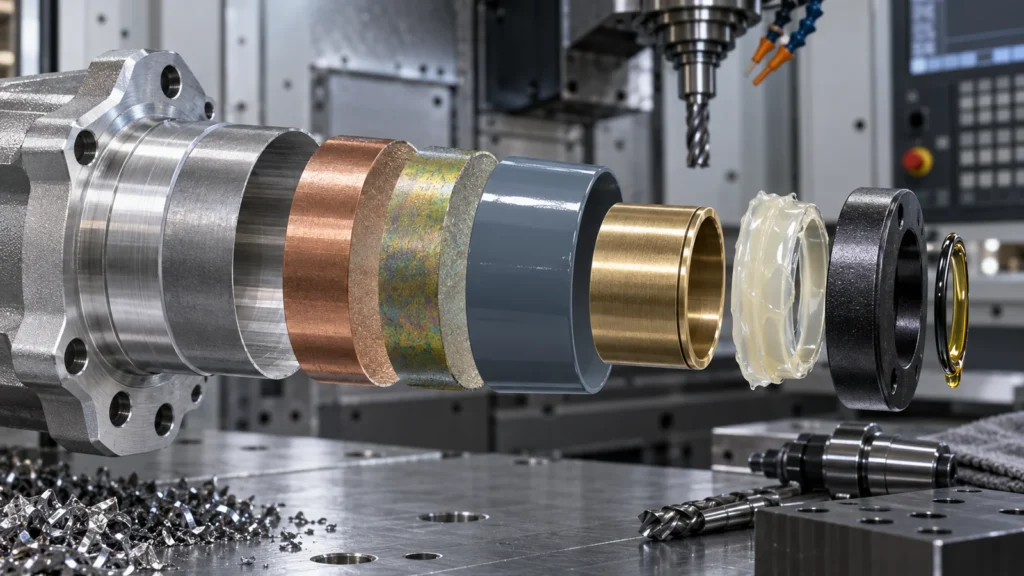 Compliance review should follow the bill of substances and processes that create the delivered item. The base stock is only the first layer.
When finish chemistry is part of the risk, link the declaration to the exact process and supplier. The site’s surface finishing capabilities page helps identify possible routes; the controlled drawing and purchase specification must name the required finish and compliance evidence.
What does “REACH compliant” actually need to say?
 REACH is not a simple pass/fail certificate stamped on every metal part. For articles, one critical procurement question is whether any Candidate List substance exceeds 0.1% weight by weight in the relevant article. ECHA explains that EU/EEA suppliers have communication duties for articles above this threshold and that certain producers or importers may also have notification duties.
A useful supplier response therefore states the Candidate List version or date assessed, identifies the part number and revision, describes the supplied configuration, names any SVHC above the threshold, and provides safe-use information when applicable. “REACH compliant” without those boundaries can become obsolete as the Candidate List changes.
For current duties, consult ECHA’s Candidate List obligations. The customer or importer should obtain legal advice for its exact role and market; a machining supplier’s declaration does not transfer all regulatory responsibility.
REACH is not a simple pass/fail certificate stamped on every metal part. For articles, one critical procurement question is whether any Candidate List substance exceeds 0.1% weight by weight in the relevant article. ECHA explains that EU/EEA suppliers have communication duties for articles above this threshold and that certain producers or importers may also have notification duties.
A useful supplier response therefore states the Candidate List version or date assessed, identifies the part number and revision, describes the supplied configuration, names any SVHC above the threshold, and provides safe-use information when applicable. “REACH compliant” without those boundaries can become obsolete as the Candidate List changes.
For current duties, consult ECHA’s Candidate List obligations. The customer or importer should obtain legal advice for its exact role and market; a machining supplier’s declaration does not transfer all regulatory responsibility.
Build an evidence ladder instead of ordering every test
 Laboratory testing can be valuable, but testing every shipment is neither automatically required nor sufficient. A screening method may indicate elemental content without identifying chemical form, exemption applicability, coating source, or future material changes. Use a risk-based evidence ladder:
The purchase order should separate five deliverables
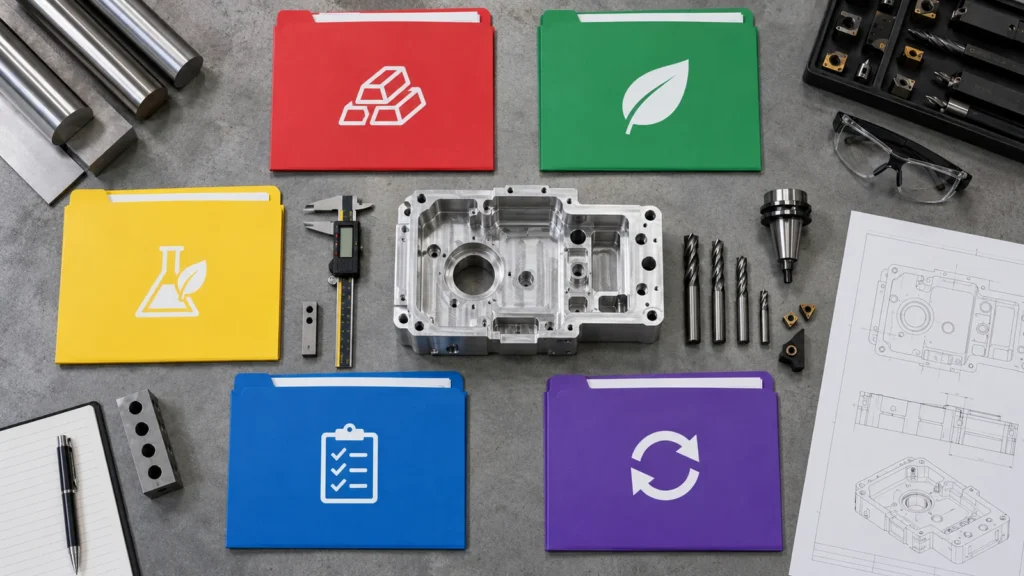 A clear requirement reduces circular email and prevents the supplier from guessing what “certificate” means.
Traceability should connect those records to the shipped lot. See the guide to CNC material traceability for a practical chain from incoming stock through final inspection.
Red flags in supplier compliance documents
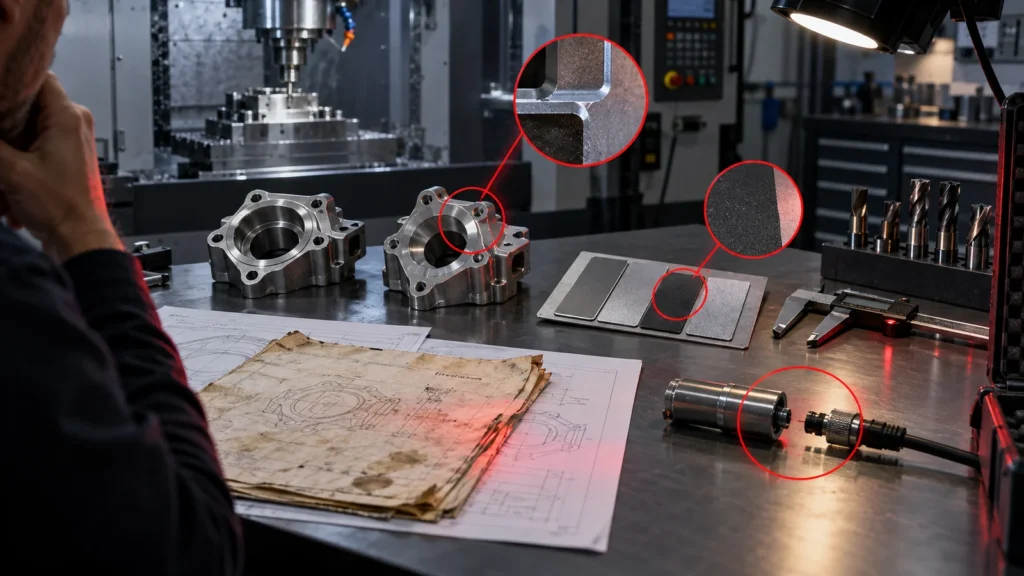
The aim is not to collect more PDFs. It is to assemble evidence that remains connected to the exact component being purchased.
RoHS and REACH FAQs for machined parts

No. Applicability depends on whether the part is used in covered electrical or electronic equipment and on the directive’s scope and exemptions.
Does a RoHS declaration prove REACH compliance?
No. They address different legal requirements. Request separate, clearly scoped evidence.
Is XRF testing enough?
It can support screening for certain elements, but it may not identify chemical form, all organic substances, exemption status, or every part of an assembly. Match the method to the decision.
How often should declarations be renewed?
Review them when substance lists, laws, exemptions, materials, finishes, suppliers, or product configurations change. Buyers may also set periodic refresh requirements.
The practical distinction is simple: RoHS asks whether restricted substances in covered EEE stay within applicable limits; REACH asks broader chemical and supply-chain questions. A robust CNC procurement package identifies which question applies, to which part configuration, and what dated evidence will answer it.