ما وراء الآلة: القوة التحويلية للأكسدة الأنودية
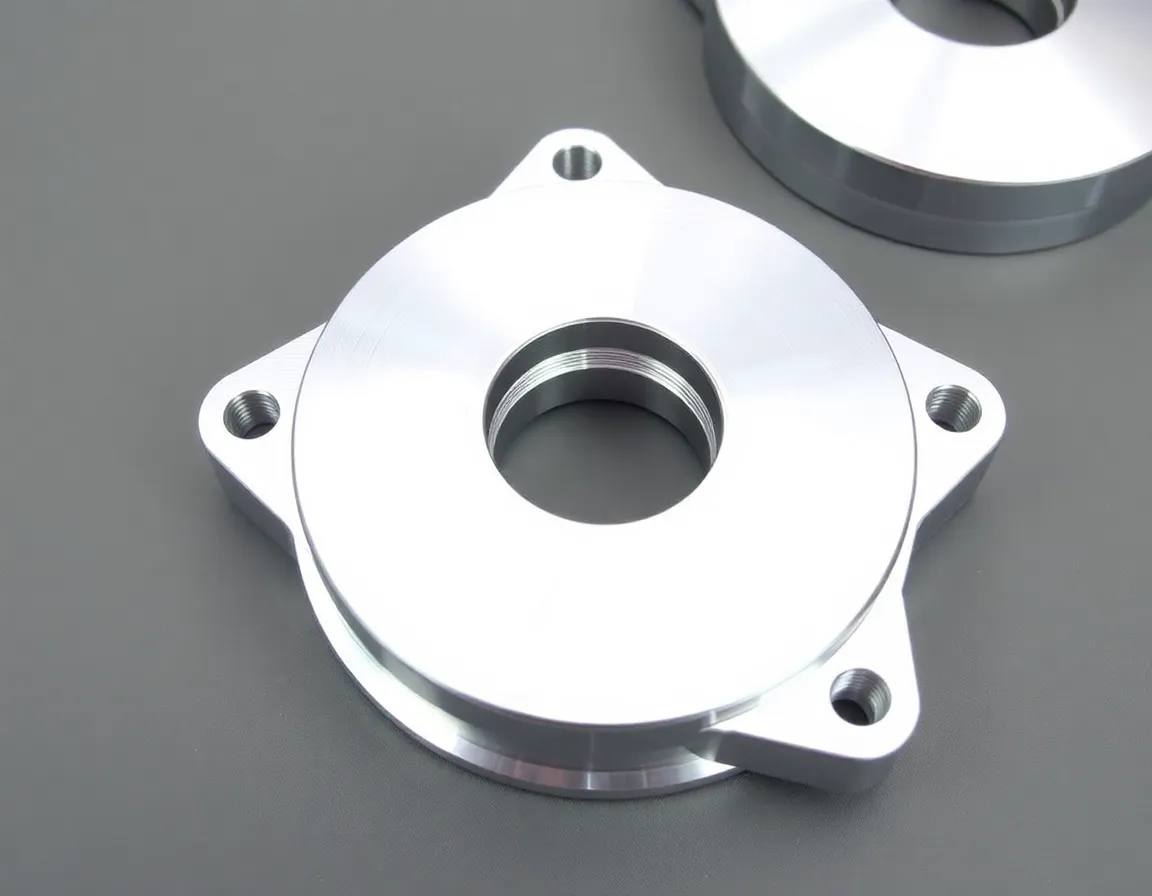
في عالم التشغيل الدقيق، لا تنتهي رحلة الجزء عندما يغادر مخرطة CNC أو المخرطة. بينما يحقق التشغيل دقة أبعاد لا مثيل لها وأشكال هندسية معقدة، غالبًا ما يظل سطح المعدن الخام عرضة للتلف. هنا تتدخل خدمات الأكسدة الأنودية الاحترافية، لتؤدي تحويلًا حاسمًا يغيّر سطح المكونات المشغّلة. الأكسدة الأنودية ليست مجرد إضافة تجميلية؛ بل هي عملية هندسية أساسية تعزز بشكل تآزري كلاً من متانة وجماليات الأجزاء المشغّلة. بالنسبة للمهندسين والمصممين والمصنّعين، فإن فهم الأكسدة الأنودية والاستفادة منها هو مفتاح إطلاق الإمكانات الكاملة للألومنيوم والمعادن غير الحديدية الأخرى.
ما هي الأكسدة الأنودية؟ تحسين مُتحكَّم به
الأكسدة الأنودية هي عملية كهروكيميائية تحوّل سطح المعدن الطبيعي إلى طبقة أكسيد أنودية متينة ومقاومة للتآكل. على عكس الدهانات أو الطلاءات المعدنية التي تبقى فوق المعدن، فإن الطبقة الأنودية متكاملة تمامًا مع المعدن الأساسي. تنمو من الركيزة المعدنية عبر عملية أكسدة مُتحكَّم بها، مما يجعلها شديدة الالتصاق ومقاومة للتشقق أو التقشر.
عملية الأكسدة الأنودية الأكثر شيوعًا، المستخدمة بشكل أساسي للألومنيوم، هي النوع الثاني (الأكسدة الأنودية بحمض الكبريتيك). يُغمر الجزء المشغّل في حمام إلكتروليت حمضي ويعمل كأنود (ومن هنا جاءت تسمية "الأكسدة الأنودية"). عند تطبيق تيار كهربائي، تُطلق أيونات الأكسجين من الإلكتروليت وتتحد مع ذرات الألومنيوم على السطح. يبني هذا التفاعل طبقة قوية ومسامية من أكسيد الألومنيوم—وهي مادة شبيهة بالسيراميك أكثر صلابة واستقرارًا بطبيعتها من الألومنيوم الخام.
العلم وراء السطح
The magic of anodizing lies in its two-stage formation. First, the electrochemical process creates the porous oxide layer. The thickness of this layer can be precisely controlled by factors like voltage, temperature, and time, typically ranging from 5 to 25 microns for standard anodizing. Second, these microscopic pores are sealed in a hot water or chemical bath, which hydrates the oxide and causes it to swell shut, locking in the structure. It is during this porous phase that dyes can be introduced, allowing for the vibrant and permanent colors anodizing is famous for.
The Multifaceted Benefits of Anodizing Machined Parts
For machined components, anodizing delivers a suite of benefits that address both functional and commercial needs.
Unmatched Durability and Protection
Anodizing fundamentally changes the wear characteristics of a part. The aluminum oxide layer is significantly harder than the base metal, offering excellent resistance to abrasion, scratching, and general wear. This is crucial for parts with moving components, frequent handling, or exposure to harsh environments.
- مقاومة التآكل: The inert oxide layer acts as a highly effective barrier against environmental factors, preventing oxidation (rust on ferrous metals, white corrosion on aluminum) and degradation from chemicals or salt spray.
- Thermal and Electrical Insulation: The anodic coating provides a degree of electrical insulation and can withstand higher temperatures than organic coatings.
- Longevity: Anodized finishes are known for their exceptional lifespan, often lasting the lifetime of the product itself with minimal maintenance.
Superior Aesthetics and Brand Identity
Anodizing offers a depth of color and a quality of finish that paints and powders struggle to match. Because the dye is absorbed into the porous layer before sealing, the color becomes an integral part of the surface.
- Permanent, Fade-Resistant Color: The color won't chip or peel, and high-quality anodizing offers excellent UV stability, preventing fading from sunlight.
- Enhanced Metallic Appearance: Clear anodizing (often called "natural") gives aluminum a slightly darker, richer, and more consistent metallic luster than raw mill finish.
- Design Flexibility: A vast spectrum of colors is available, from classic blacks and silvers to vibrant blues, reds, and golds. This allows for sophisticated product differentiation, color-coding of components, and strong brand recognition.
Practical and Functional Advantages
- Improved Adhesion for Secondary Coatings: The porous surface of an unsealed anodic layer can provide an excellent mechanical key for paints and adhesives.
- Hygienic and Easy-to-Clean Surface: The hard, non-porous sealed surface resists contamination and is easy to wipe clean, making it ideal for medical, food processing, and consumer goods.
- Dimensional Precision: While the anodic layer does add thickness (approximately 50% grows inward, 50% outward from the original surface), it is applied with extreme uniformity. This predictability allows machinists to account for the coating in their tolerances, ensuring critical dimensions are maintained.
Key Applications Across Industries
The combination of durability and beauty makes anodizing a preferred finish for countless applications involving machined parts.
- Aerospace & Defense: Lightweight, high-strength, and corrosion-resistant components for aircraft interiors, drone frames, and satellite parts.
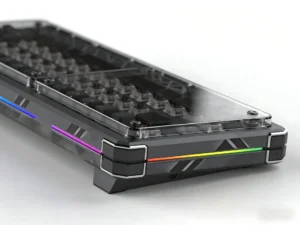
- Consumer Electronics: Laptop chassis, smartphone frames, camera bodies, and wearable devices where scratch resistance and premium feel are paramount.
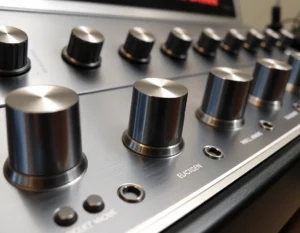
- Automotive: Both interior trim (bezels, control knobs) and under-hood components, as well as high-end automotive exteriors.
- Medical Devices: Surgical instruments, housing for diagnostic equipment, and prosthetic components requiring sterility, chemical resistance, and durability.
- Architectural Hardware: Door and window frames, handrails, and facade elements that must endure weather while maintaining their appearance for decades.
- الآلات الصناعية: Guards, panels, and fixtures that need to withstand shop-floor abuse while looking professional.
Best Practices for Machined Parts Destined for Anodizing
To achieve optimal results from an anodizing service, consideration must start at the design and machining stages.
Design and Machining Considerations
Radius All Edges: Sharp corners and edges are prone to excessive current density during anodizing, which can lead to a brittle, chalky coating. A minimum radius of 0.5mm is recommended.
Mind the Tolerances: Communicate with your anodizer. For parts with tight fit-critical dimensions, specify the anodic coating thickness required so they can process accordingly, or machine the part undersize to compensate for the coating buildup.
Surface Finish Awareness: Anodizing is a transparent coating that will amplify, not hide, the underlying surface. A smooth machined finish will yield a glossy anodized part; a bead-blasted finish will yield a consistent matte appearance. Any machining marks, scratches, or tooling patterns will be permanently visible after anodizing.
Material Selection and Preparation
Aluminum Alloy Choice: Not all aluminum alloys anodize the same. 6000-series alloys (like 6061-T6) are renowned for their excellent machinability and anodizing response, producing clear, consistent coatings. 2000-series and 7000-series can be anodized but may result in darker, yellowish, or less uniform colors without specialized processes.
Imperative Cleaning: All machining oils, lubricants, fingerprints, and oxides must be completely removed before anodizing. Contaminants will lead to uneven, blotchy, or non-adherent coatings. This is typically handled by the anodizer through a rigorous pre-treatment cleaning cycle.
Racking and Fixturing: Parts must be electrically connected to the anode rack. This will leave small, unavoidable "rack marks" at the contact points. Designers should plan for these to be in non-critical or non-visible areas.
Choosing the Right Anodizing Service Partner
Not all anodizers are created equal. For precision machined parts, partnering with a service provider experienced in handling complex, high-value components is crucial.
- Seek Technical Expertise: Look for a partner who can consult on alloy selection, finish specification (e.g., MIL-A-8625, AMS 2469, or ASTM B580), and color matching.
- Quality Control: Ensure they perform critical quality tests like coating thickness measurement (with an eddy current or magnetic gauge), salt spray testing for corrosion resistance, and adhesion tests.
- Capacity and Capability: Verify they can handle your part size, volume, and offer the specific type of anodizing you need, whether it's standard Type II, hardcoat (Type III), or chemical film (chromate conversion coating).
Conclusion: An Integral Step in Part Perfection
Anodizing services represent the crucial bridge between a perfectly machined part and a finished component ready to excel in its real-world application. It is a process that respects the precision of machining by adding value without compromise. By transforming the surface into something far greater than the sum of its parts, anodizing delivers a synergistic boost where enhanced durability meets superior aesthetics. For anyone designing or manufacturing with aluminum, it is not just a finish—it is an essential, high-performance treatment that ensures parts look impeccable, last longer, and perform reliably, ultimately protecting your investment and elevating your product in the marketplace.