Understanding Zamak: The Alloy at a Glance
In the world of precision machining and die casting, Zamak stands out as a versatile and widely used family of zinc alloys. The name itself is an acronym derived from the German names for its primary elements: Zink (Zinc), Aluminium, Magnesium, and Kupfer (Copper). Predominantly, Zamak 3 and Zamak 5 are the workhorses of the industry, with Zamak 3 being the most common due to its excellent balance of physical properties and castability. These alloys are renowned for their high strength, excellent dimensional stability, and superb surface finish capabilities, making them ideal for a vast array of components, from intricate automotive parts to durable hardware and consumer electronics.
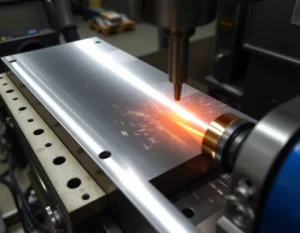
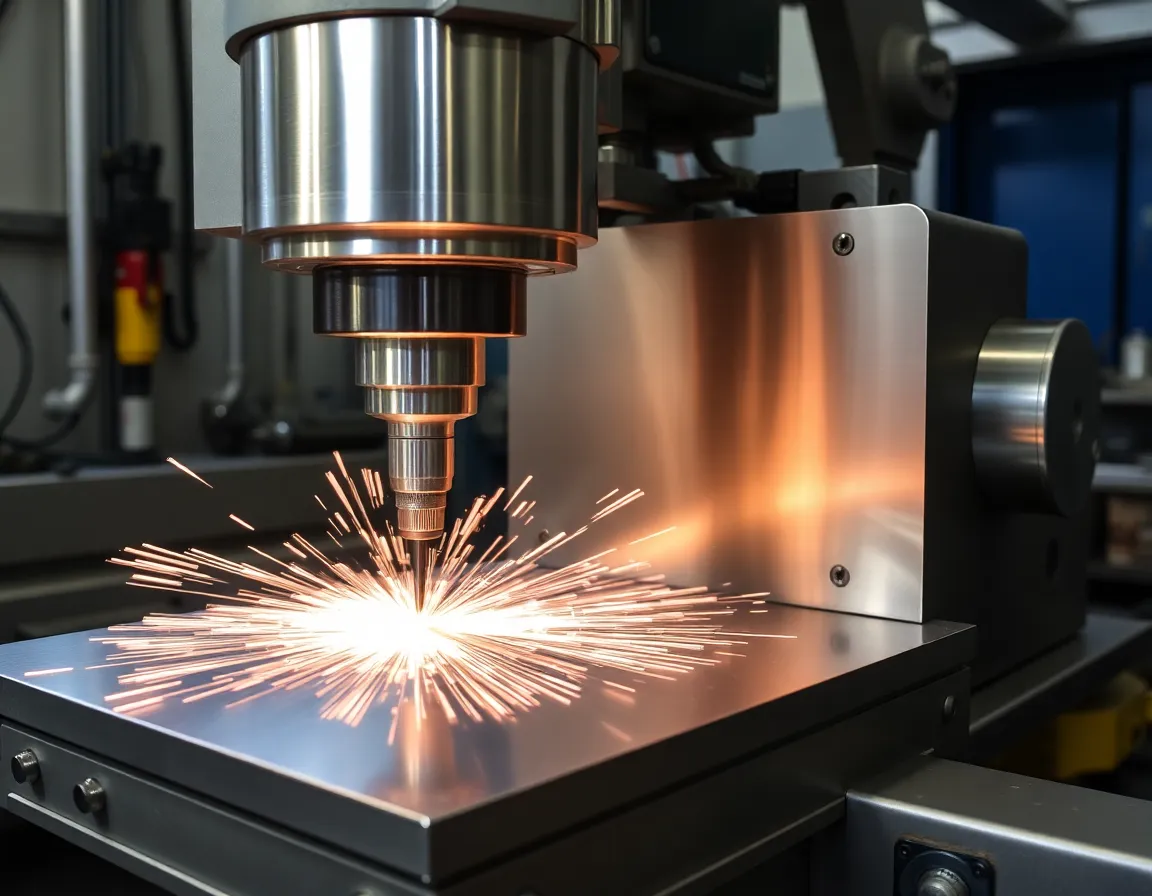
Zamak's machinability is generally considered very good, but it is not without its nuances. Unlike machining harder metals like steel, Zamak requires a specific approach to leverage its benefits while avoiding its pitfalls, such as its relatively low melting point and potential for galling. Successful machining of Zamak components—whether it's secondary operations on die-cast parts or machining from solid stock—hinges on understanding its material characteristics and applying tailored techniques.
Core Principles for Machining Zamak Successfully
Mastering Zamak machining begins with respecting its unique properties. Its low melting point (around 385°C / 725°F for Zamak 3) means heat management is crucial to prevent the material from softening or gumming up cutting tools. Furthermore, Zamak's excellent ductility can lead to built-up edge (BUE) if tools are not sharp or parameters are incorrect. Adhering to the following core principles will set the stage for precision and efficiency.
Tooling Selection: The Foundation of Precision
Choosing the right cutting tool is paramount. For most Zamak machining operations, sharp, polished tools with positive rake angles are highly recommended.
- Material: Uncoated carbide or micro-grain carbide tools are excellent choices for their hardness and ability to maintain a keen edge. High-speed steel (HSS) can be used but may wear faster on production runs.
- Geometry: Tools with high positive rake angles (e.g., 10° to 20°) shear the material cleanly with less cutting force, minimizing heat generation and preventing material pull. Sharp, polished flutes help in efficient chip evacuation.
- Coatings: While not always necessary, polished diamond-like carbon (DLC) or titanium-based coatings can reduce friction and further prevent material adhesion.
Machining Parameters: Speed, Feed, and Depth of Cut
Optimizing your machine settings is the key to controlling heat and achieving a superior finish.
- Speed (SFM): Zamak allows for high surface speeds. A good starting range is 500-1000 SFM for turning and 300-600 SFM for milling. The goal is to be fast enough to generate thin, clean chips that carry heat away, but not so fast as to generate excessive heat through friction.
- Feed Rate: Use a moderately high feed rate. A light feed can cause the tool to rub rather than cut, generating heat and work-hardening the surface. A consistent, assertive feed promotes good chip formation.
- Depth of Cut: Zamak is forgiving, but for finishing passes, light depths of cut (0.005" to 0.020") with a sharp tool will yield the best surface finish. For roughing, deeper cuts are acceptable if the machine rigidity and tool strength allow.
Coolant and Lubrication: Mandatory, Not Optional
While Zamak can be machined dry in some cases, using a coolant or lubricant is strongly advised for precision work. Its primary roles are to control temperature, improve surface finish, and aid in chip evacuation. A flood coolant system with a soluble oil or synthetic fluid is ideal. For smaller operations, a mist coolant system or even a generous application of a cutting oil or kerosene-based lubricant can be effective. The lubricant prevents the soft zinc chips from welding to the tool, a phenomenon known as galling.
Advanced Tips and Tricks for Optimal Results
Beyond the basics, several advanced practices can elevate your Zamak machining from good to exceptional, reducing scrap rates and improving component quality.
Managing Chips and Swarf
Zamak produces long, stringy chips that can be sharp and problematic. To manage this:
- Use chip breakers on your tooling geometry if available.
- Ensure high-pressure coolant is directed at the cutting edge to break and flush chips away.
- Regularly clear chips from the work area to prevent recutting, which damages both the tool and the workpiece surface finish.
Achieving Mirror Finishes
Zamak's natural ability to take a fine finish is one of its biggest advantages. For near-mirror finishes:
- Employ a final, very light finishing pass (0.001" - 0.003") with a freshly sharpened, polished tool.
- Maximize spindle speed while maintaining an appropriate feed rate to avoid rubbing.
- Consider using a single-point diamond tool for ultimate surface quality on critical faces.
- Ensure the workpiece is rigidly held to eliminate any vibration or chatter marks.
Addressing Porosity in Die Cast Parts
When performing secondary machining on die-cast Zamak components, you may encounter subsurface porosity. This can cause tool chatter and poor finish. To mitigate this:
- Use sharp tools and consistent, uninterrupted cuts to bridge porous areas.
- Reduce feed rates slightly when machining over suspected porous zones.
- Consider vibratory finishing or tumbling after machining to help close superficial pores.
Applications and Benefits of Precision-Machined Zamak
The synergy of die casting for near-net-shape production and CNC machining for critical tolerances makes Zamak an unbeatable choice for countless applications.
Key Industry Applications
Precision-machined Zamak components are found everywhere:
- Automotive: Fuel system components, sensor housings, decorative trim, and lock mechanisms.
- Consumer Electronics: Camera bodies, bezels, hardware for mobile devices, and internal structural parts.
- Hardware and Plumbing: High-quality faucet handles, valve bodies, door hardware, and precision gears.
- Medical Devices: Housings for handheld instruments and components where EMI/RFI shielding is beneficial.
The Compelling Advantages
Choosing Zamak for machined parts offers a host of benefits:
- Cost-Effectiveness: The raw material is relatively inexpensive, and its excellent castability and machinability keep manufacturing costs low.
- High Strength-to-Weight Ratio: Zamak is stronger than many engineering plastics and even some aluminum alloys, allowing for robust yet lightweight designs.
- Superb Surface Finish: It can be polished, plated, painted, or coated with exceptional results, making it perfect for aesthetic parts.
- Dimensional Stability: Zamak parts have minimal creep and maintain their shape and tolerances over time and under load.
- Full Recyclability: Scrap and swarf can be 100% recycled, supporting sustainable manufacturing practices.
Conclusion: Embracing the Potential of Zamak
Mastering the machining of Zamak is a valuable skill for any machinist or manufacturing engineer. By understanding its material behavior—respecting its need for sharp tools, appropriate speeds and feeds, and adequate cooling—you can unlock its full potential. The result is the ability to produce high-volume, precision components that are strong, aesthetically pleasing, and cost-competitive. Whether you are performing secondary operations on complex die castings or machining a prototype from solid bar stock, applying these tips and tricks will ensure your Zamak projects are executed with precision, efficiency, and consistently outstanding quality. In the landscape of modern manufacturing, Zamak remains a testament to how a well-understood material, paired with skilled machining, continues to enable innovation across industries.