Unlocking the Potential of Wire EDM Inserts
In the high-stakes world of precision manufacturing, where tolerances are measured in microns and component complexity defies conventional machining, a specialized tooling solution reigns supreme: the Wire EDM insert. More than just a cutting tool, a Wire EDM insert is a masterpiece of material science and advanced manufacturing, born from the very process it is designed to utilize. This article delves into the secrets behind these precision components, exploring their creation, unique advantages, and the transformative impact they have on modern machining.
What Are Wire EDM Inserts?
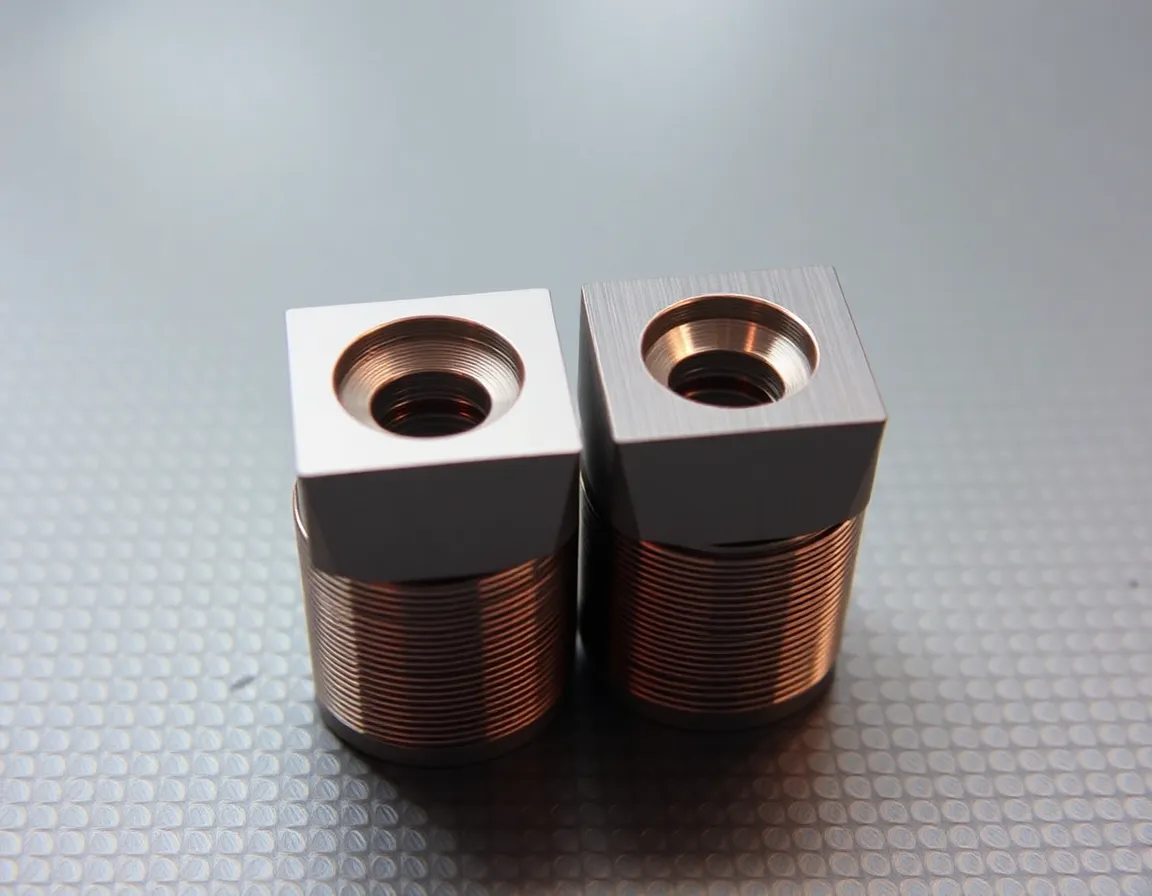
At its core, a Wire EDM (Electrical Discharge Machining) insert is a cutting tool insert—like those used in turning, milling, or drilling—that has been wholly or partially manufactured using the wire EDM process. Unlike traditional inserts that are pressed and sintered into a near-net shape and then ground, Wire EDM inserts start as a fully sintered blank of ultra-hard material, such as tungsten carbide, CBN (Cubic Boron Nitride), or PCD (Polycrystalline Diamond). The wire EDM machine then meticulously cuts the intricate geometry of the insert, including the all-important cutting edges, chipbreakers, clamping holes, and identification marks, directly into this hardened blank.
This "cutting with a spark" methodology allows for the creation of geometries that are simply impossible or prohibitively expensive to achieve with conventional grinding wheels. The result is an insert of exceptional precision and complexity, ready to tackle the most demanding machining applications.
The Wire EDM Manufacturing Process: A Spark of Genius
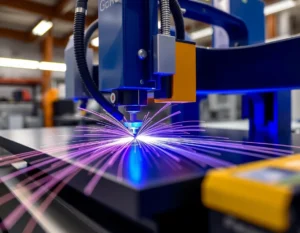
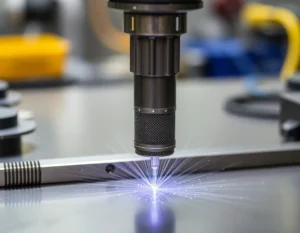
The creation of a Wire EDM insert is a fascinating application of non-contact thermal machining. A thin, electrically charged brass or coated wire (typically 0.02mm to 0.33mm in diameter) acts as the electrode. This wire is precisely guided along a programmed path, very close to the conductive carbide blank, submerged in deionized water. When the gap becomes small enough, a controlled spark jumps across, generating intense heat (around 8,000–12,000°C) that instantly melts and vaporizes a microscopic portion of the workpiece. The deionized water flushes away the debris and cools the material.
This process is repeated hundreds of thousands of times per second, with the wire steadily moving through the part, eroding a precise kerf and leaving behind a mirror-smooth surface. The absence of physical cutting forces is the key differentiator, eliminating the risk of micro-cracks or stresses induced by mechanical grinding.
The Unmatched Benefits of Wire EDM Inserts
Why go through this intricate electrical process? The advantages it confers upon the final cutting tool are profound and multifaceted.
Unparalleled Geometric Freedom
Wire EDM is not limited by wheel shapes or grinding angles. It can produce:
- Complex, non-standard chipbreaker designs optimized for specific materials and cutting conditions.
- Extremely sharp cutting edges (positive rakes, keen edges) that reduce cutting forces and heat generation.
- Intricate clamping or locking features for secure mounting in toolholders.
- Customized wiper flats or hone sizes for superior surface finish requirements.
Superior Edge Integrity and Consistency
Since the insert is cut from a pre-hardened blank, there is no risk of altering the microstructure of the carbide substrate or the binder through grinding heat. This preserves the original toughness and wear resistance of the material. Furthermore, every insert produced from the same CAD program is absolutely identical, ensuring predictable and repeatable performance in batch production.
Ability to Machine Ultra-Hard Materials
Wire EDM is one of the few processes that can effectively "machine" fully sintered carbide, CBN, and PCD. This makes it the only viable method for creating inserts from these super-hard materials with complex geometries, opening the door to machining abrasive composites, hardened steels, and non-ferrous metals at high speeds.
Cost-Effectiveness for Prototypes and Small Batches
While the wire EDM process itself is not fast, it eliminates the need for expensive, custom-formed grinding wheels. This makes it exceptionally economical for producing prototype inserts, special tools for one-off jobs, or small to medium batch sizes where investing in dedicated grinding equipment is unjustifiable.
Key Applications: Where Wire EDM Inserts Shine
The unique capabilities of Wire EDM inserts make them the tool of choice in several critical and advanced manufacturing sectors.
Aerospace and Medical Manufacturing
These industries demand machining difficult-to-cut alloys like Inconel, titanium, and cobalt-chrome with high precision and surface integrity. Wire EDM inserts with optimized, sharp geometries and advanced coatings reduce workpiece deformation, minimize heat-affected zones, and produce excellent surface finishes, which is crucial for fatigue-resistant aerospace components and biocompatible medical implants.
High-Precision Automotive and Die/Mold Making
From machining hardened steel for injection molds and die-casting dies to producing high-performance engine components, the consistency and edge quality of Wire EDM inserts ensure longer tool life and reduced polishing time. Complex chipbreakers are particularly effective in the intermittent cuts common in milling hardened mold steels.
Micromachining and Fine Finishing
The ability to produce extremely small, precise inserts with sharp edges makes Wire EDM ideal for micromachining applications, such as in the electronics and optical industries. These inserts can achieve fine surface finishes and hold tight tolerances on miniature components.
Custom and Specialized Cutting Solutions
Whenever a standard catalog insert falls short for a unique application—be it an unusual workpiece material, a specific chip control problem, or a complex part feature—Wire EDM is the go-to technology for developing a custom insert solution.
Best Practices for Utilizing Wire EDM Inserts
To fully harness the potential of these precision tools, users must adhere to certain best practices.
Proper Selection and Handling
Understand the substrate, coating, and geometry specified for your material. While the edges are precise, they can be delicate before the honing process; handle inserts with care to avoid chipping. Use proper insert clamping systems that match the insert's engineered features to ensure maximum stability.
Optimized Machining Parameters
Wire EDM inserts, especially those with sharp, positive geometries, often allow for higher feed rates or lower cutting forces. However, starting with conservative speeds and feeds recommended by the manufacturer is crucial. Leverage their capability for higher metal removal rates, but avoid overly aggressive parameters that could compromise the intricate edge.
Focus on Coolant and Chip Evacuation
The complex chipbreakers are designed for specific chip flow. Ensure high-pressure, through-tool coolant is used effectively to break and evacuate chips, prevent recutting, and manage heat at the cutting zone. Proper chip evacuation is critical to protect the finely crafted edges.
Inspection and Maintenance
Use microscopy to periodically inspect the cutting edges for wear. The consistency of Wire EDM inserts means that wear patterns will be predictable. Implement a disciplined indexing and replacement schedule to prevent catastrophic failure and maintain part quality.
Conclusion: The Future of Precision is Spark-Eroded
Wire EDM inserts represent the pinnacle of synergy between advanced tool material and state-of-the-art manufacturing processes. They are not merely an alternative to ground inserts but a superior solution for applications demanding the highest levels of geometric complexity, edge consistency, and performance in challenging materials. As industries continue to push the boundaries of what is machinable—with ever-tougher materials and more intricate part designs—the role of Wire EDM in cutting tool production will only become more central. By understanding the secrets behind their creation and application, manufacturers can unlock new levels of productivity, precision, and capability, sparking innovation on the shop floor.