The Unseen Art: Where Engineering Meets Medicine
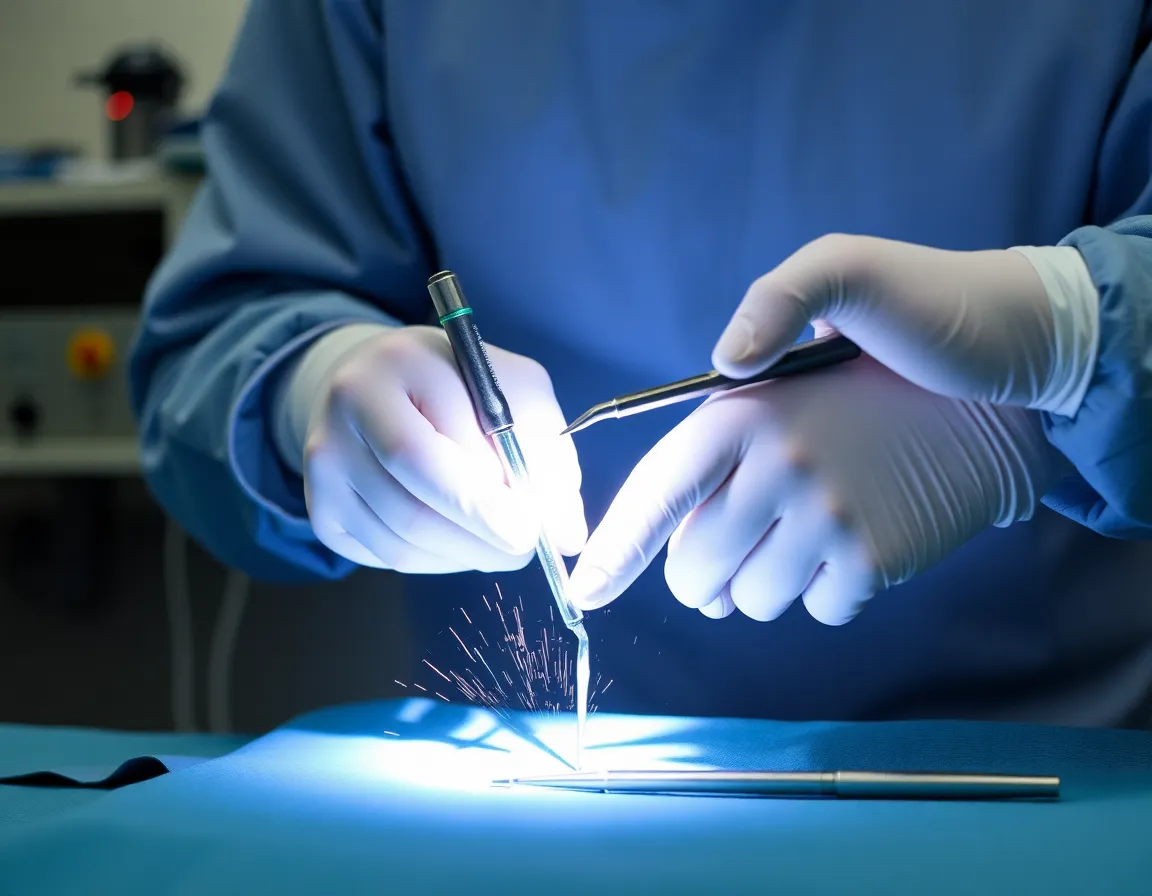
In the high-stakes theater of modern surgery, the spotlight rightly falls on the skill of the surgeon and the resilience of the patient. Yet, performing silently in the background is a critical enabler of success: the surgical instrument. From the delicate scalpel in a corneal transplant to the complex jaws of a laparoscopic stapler, these tools are extensions of the surgeon's hands. Their creation is not mere manufacturing; it is a discipline of extreme precision known as surgical instrument machining. This process transforms raw, biocompatible materials into life-saving devices with tolerances measured in microns, demanding a fusion of advanced engineering, rigorous standards, and an intimate understanding of surgical practice.
What is Surgical Instrument Machining?
Surgical instrument machining is a specialized subset of precision machining dedicated solely to the production of medical tools and implants. It encompasses a range of subtractive manufacturing processes where material is removed from a solid block (the workpiece) using computer-controlled machine tools to achieve a desired, highly precise geometry. Unlike general machining, it operates under the stringent umbrella of medical device regulations, where traceability, material certification, and validated processes are as important as dimensional accuracy.
Core Machining Processes Involved
The creation of a surgical instrument often involves a symphony of different machining techniques, each selected for its specific capabilities.
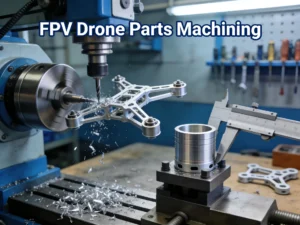
- CNC Milling: The workhorse of instrument machining. Computer Numerical Control (CNC) milling uses rotating multi-point cutting tools to sculpt complex 3D shapes, slots, holes, and contours. It is essential for creating instrument bodies, articulated joints, and textured grip surfaces.
- CNC Turning: Primarily used for creating cylindrical components. The workpiece rotates while a single-point cutting tool moves linearly. This process is ideal for producing shafts, pins, screws, and tubular sections of instruments.
- Swiss-Style Machining: A specific type of precision turning, invaluable for long, slender components like drill bits, guide wires, and small pins. The guide bushing provides exceptional support close to the cutting tool, allowing for extreme precision on small diameters and minimizing deflection.
- Micro-Machining: This refers to machining features at the micron scale. Utilizing specialized, ultra-high-speed spindles and microscale tools, it is used for creating micro-serrations on needle holders, ultra-fine tips on micro-forceps, or intricate channels in endoscopic tools.
- Wire Electrical Discharge Machining (Wire EDM): A non-contact process that uses a thin, electrically charged wire to cut through hard, conductive materials with extreme precision and without inducing mechanical stress. It is perfect for creating sharp, burr-free cutting edges on scissors or blades from hardened steel.
The Hallmarks of Excellence: Materials, Tolerances, and Finishing
What separates surgical instrument machining from other precision fields are the uncompromising requirements in three key areas.
Biocompatible Materials
Every material must be certified for medical use, exhibiting properties like corrosion resistance, sterilizability, and non-reactivity with human tissue. Common choices include:
- Stainless Steel (e.g., 316L, 440C): The standard for its excellent strength, corrosion resistance, and ability to hold a sharp edge.
- Titanium Alloys (e.g., Ti-6Al-4V): Favored for its high strength-to-weight ratio, superb biocompatibility, and MRI compatibility.
- High-Performance Plastics (e.g., PEEK, Ultem): Used for insulating components, lightweight handles, or disposable instrument parts.
Extreme Tolerances and Surface Finish
Surgical tools demand dimensional tolerances that are often within ±0.005 mm or tighter. This ensures perfect alignment of scissor blades, smooth articulation of joints, and reliable function of ratchets. Equally critical is the surface finish. A mirror-like polish on a bone rasp reduces tissue drag, while a specific matte finish on a handle improves grip. Proper finishing also eliminates microscopic pits where pathogens could hide, facilitating sterilization.
Validation and Traceability
From the raw material lot to the finished instrument, every step is documented. Machining processes are validated to prove they consistently produce parts meeting specifications. This traceability is a regulatory requirement (under standards like ISO 13485) and is crucial for quality control and potential recall situations.
Applications Across Surgical Disciplines
Precision machining enables innovation and reliability in every surgical specialty.
Orthopedic Surgery
This field relies heavily on robust, complex instruments. Machining produces precise bone saws, drill guides with exact hole patterns, impactors for implants, and the intricate trial components used to size joint replacements before the final implant is inserted.
Minimally Invasive and Robotic Surgery
The long, slender shafts and articulated end-effectors of laparoscopic and robotic tools are feats of precision machining. These instruments must transmit force and motion accurately over a distance while fitting through tiny incisions, requiring flawless internal mechanisms and extreme miniaturization.
Neuro, Ophthalmic, and Microsurgery
Here, the scale becomes breathtaking. Machining produces micro-forceps with tips smaller than a grain of salt, ultra-sharp disposable blades for vitrectomy, and delicate nerve hooks. The precision directly impacts surgical outcomes by minimizing tissue trauma.
Cardiovascular and Dental Surgery
From the complex geometries of stent deployment tools to the specialized pliers and cutters used in dentistry, machining creates the specialized instruments that allow access to and manipulation of delicate anatomical structures.
Best Practices in Surgical Instrument Machining
Adhering to industry best practices is non-negotiable for producing safe, effective tools.
Design for Manufacturability (DFM) Collaboration
The most successful instruments arise from early collaboration between surgical designers and machining engineers. Machinists provide input on material selection, feature feasibility, and tolerance optimization to ensure the design is both surgically effective and economically manufacturable.
Investment in Advanced Technology
Leading shops utilize 5-axis CNC machines for complex geometries in a single setup, in-process probing for real-time quality checks, and climate-controlled cleanrooms to prevent contamination during machining of critical components.
Rigorous Quality Assurance
Quality control goes beyond final inspection. It includes First Article Inspection (FAI), statistical process control (SPC) during production, and the use of advanced metrology like Coordinate Measuring Machines (CMM) and optical comparators to verify every critical dimension.
Post-Machining Processes
Machining is often just one step. Best-practice manufacturers also manage subsequent vital processes like:
- Passivation: A chemical process for stainless steel that enhances the natural chromium oxide layer, improving corrosion resistance.
- Precision Sharpening: Specialized techniques to achieve and verify razor-sharp, durable cutting edges.
- Assembly & Final Testing: Meticulous assembly, often under magnification, followed by functional testing of ratchets, locks, and articulations.
Conclusion: The Foundation of Surgical Advancement
Precision machining for surgical tools is a critical, though often unseen, pillar of modern healthcare. It is the technical bridge that transforms a surgeon's innovative concept into a reliable, tangible instrument that can save and improve lives. As surgical techniques continue to advance towards greater minimally invasive procedures and personalized interventions, the demands on machining will only grow more stringent. The future will see even tighter integration with additive manufacturing (3D printing) for hybrid instruments, smarter machining of "smart" instruments with embedded sensors, and continued pursuit of the micron-level perfection that defines this field. In the end, every precise cut made by a machine tool ultimately enables a more precise and successful cut made in the operating room.