In the world of manufacturing and design, a metal part's journey doesn't end when it leaves the machine shop or foundry. Its final appearance, feel, and most critically, its longevity, are determined by a crucial final step: surface treatment. Metal finishing is the alchemy that transforms a raw, vulnerable component into a resilient, stylish, and functional product. The right finish can be the difference between a product that corrodes in a year and one that endures for decades, all while enhancing its aesthetic appeal. This article explores the top five metal finishes that masterfully blend exceptional durability with undeniable style, providing a guide for engineers, designers, and enthusiasts alike.
1. Powder Coating: The Versatile Powerhouse
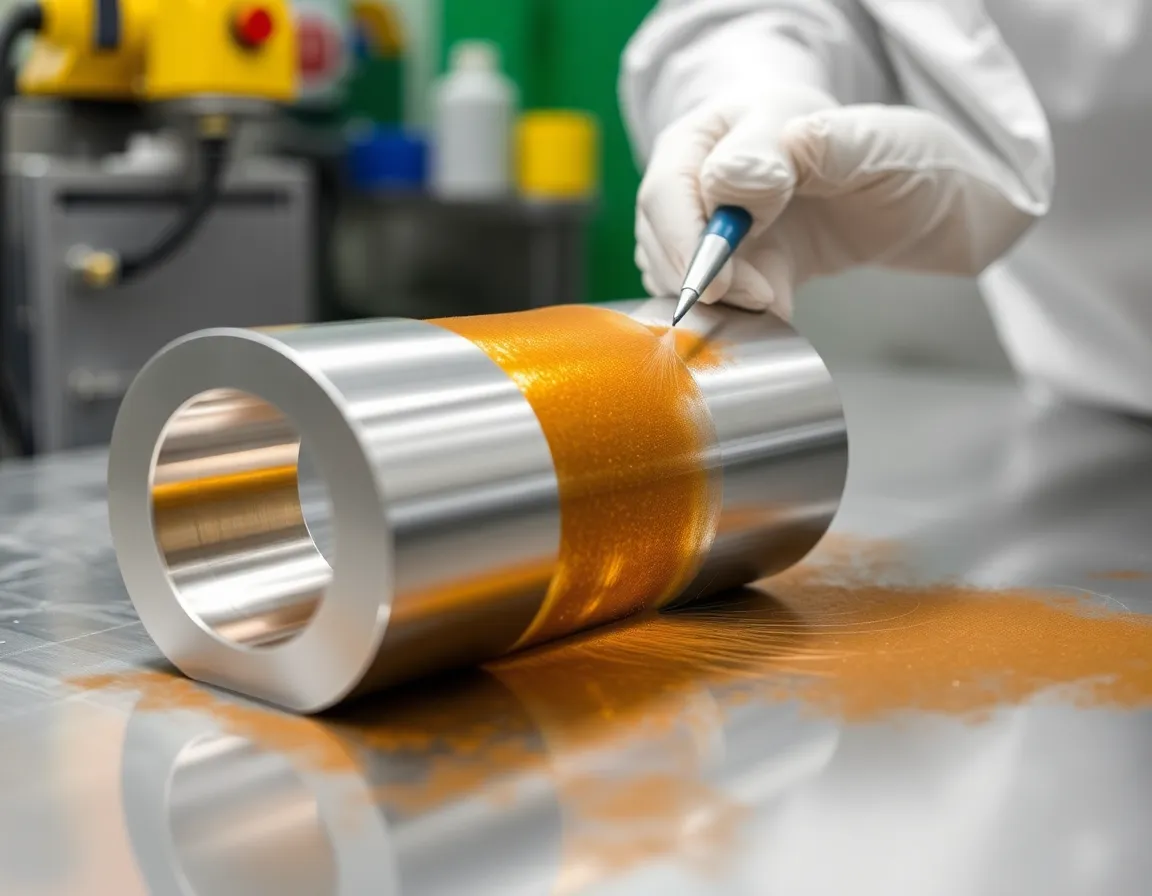
Powder coating has revolutionized the metal finishing industry with its robust, eco-friendly, and visually stunning results. This process involves electrostatically applying a dry, free-flowing thermoplastic or thermoset polymer powder to a grounded metal part. The coated part is then cured in an oven, where the powder melts and flows into a smooth, uniform film.
How It Works & Benefits
The electrostatic charge ensures the powder adheres evenly, even on complex geometries, before thermal curing creates a chemical cross-link. This results in a finish that is:
- Extremely Durable: Highly resistant to chipping, scratching, fading, and corrosion. It is far more robust than traditional liquid paint.
- Eco-Friendly: Produces virtually no volatile organic compounds (VOCs), and overspray can be recycled.
- Aesthetically Flexible: Available in an almost limitless spectrum of colors, textures (matte, gloss, wrinkled, metallic), and special effects.
- Economical: Efficient material usage and long-term durability reduce lifecycle costs.
Ideal Applications
Powder coating is ubiquitous due to its versatility. Common applications include automotive wheels and frames, outdoor furniture, architectural aluminum extrusions, household appliances, industrial machinery, and bicycle frames. Its ability to withstand harsh weather and physical abuse makes it a top choice for both consumer and industrial products.
2. Anodizing: The Enhanced Oxide Layer
Primarily used for aluminum (though applicable to other non-ferrous metals like titanium), anodizing isn't an applied coating but a controlled enhancement of the metal's natural oxide layer. The part is submerged in an acidic electrolyte bath and subjected to an electrical current, converting the surface aluminum into a durable, porous aluminum oxide.
How It Works & Benefits
This electrochemical process grows a hard, integral coating from the base metal, meaning it cannot peel or flake. The porous layer can then be sealed for protection or dyed in a vast array of colors before sealing. Key benefits include:
- Exceptional Wear Resistance: The anodic layer is extremely hard and bonded to the substrate.
- Superior Corrosion Protection: Provides excellent defense against environmental degradation.
- Color Stability: Dyed colors are locked within the oxide layer, offering excellent UV resistance and preventing fading.
- Thermal and Electrical Insulation: The oxide layer acts as an effective insulator.
Ideal Applications
Anodizing is the finish of choice for high-wear, high-visibility applications. You'll find it on consumer electronics (laptops, smartphones), architectural facades and window frames, aerospace components, marine hardware, and high-end cookware. Its sleek, metallic sheen is both technical and premium.
3. Electroplating: The Classic Metallic Sheen
Electroplating is a time-tested process that uses an electrical current to reduce dissolved metal cations, depositing a thin, adherent layer of one metal onto the surface of another. Common plating metals include zinc (for protection), nickel, chromium, copper, and precious metals like gold and silver.
How It Works & Benefits
The metal part (cathode) and the plating metal source (anode) are immersed in a solution containing ions of the plating metal. A direct current causes the metal ions to bond to the part's surface. This process offers:
- Sacrificial Protection: Plating like zinc (galvanization) corrodes sacrificially, protecting the underlying steel.
- Enhanced Appearance: Provides brilliant, reflective surfaces like chrome or the luxury of gold.
- Improved Surface Properties: Can increase hardness, reduce friction, and improve solderability or electrical conductivity.
- Material Savings: Allows the use of an inexpensive base metal with a surface layer of a more expensive or functional metal.
Ideal Applications
Applications are vast and varied: zinc plating on automotive fasteners and hardware for corrosion resistance; decorative chrome on faucets, motorcycle parts, and trim; nickel plating for engineering durability; and gold plating on electrical connectors and jewelry. It remains indispensable for both functional and decorative purposes.
4. Ceramic Coating: The High-Tech Shield
Moving into advanced materials, ceramic coatings (often based on silicon carbide, titanium nitride, or alumina) provide a ultra-hard, inert layer. Applied through methods like Physical Vapor Deposition (PVD) or thermal spraying, these coatings fuse a ceramic layer onto the metal substrate at a molecular level.
How It Works & Benefits
PVD, for example, vaporizes the coating material in a vacuum chamber, allowing it to condense on the part in a thin, extremely hard film. The advantages are profound:
- Extreme Hardness: Often exceeding that of hardened steel, offering unparalleled resistance to abrasion and wear.
- High-Temperature Resistance: Maintains integrity in extreme thermal environments where organic coatings would fail.
- Chemical Inertness: Highly resistant to corrosion from acids, alkalis, and solvents.
- Decorative & Functional: PVD coatings come in stylish colors like gold, rose gold, bronze, and black while being exceptionally durable.
Ideal Applications
Ceramic coatings are found in demanding environments: on cutting tools and industrial blades to extend life, on automotive brake components and turbine blades for heat resistance, and increasingly on high-end watches, door hardware, and kitchen fixtures via PVD for a durable, colored metallic finish.
5. Passivation: The Stainless Steel Specialist
For stainless steel, durability is inherent but can be compromised. Passivation is a critical chemical process that restores and enhances stainless steel's natural corrosion-resistant surface. It removes free iron contamination (from machining or tooling) and encourages the formation of a thicker, more protective passive chromium oxide layer.
How It Works & Benefits
The part is immersed in an acid bath, typically nitric or citric acid. This dissolves surface iron particles without significantly affecting the chromium. The result is a clean, inert surface where chromium can react with oxygen to form a robust, invisible shield. Benefits include:
- Maximized Corrosion Resistance: It is essential for realizing the full, intended corrosion resistance of the stainless-steel grade.
- Preservation of Appearance: Prevents rust staining and surface discoloration, maintaining the clean, metallic look.
- Non-Dimensional: Removes only microscopic amounts of material, preserving tight tolerances.
- Improved Cleanability: Creates a smoother, more homogeneous surface that is easier to sanitize.
Ideal Applications
Passivation is mandatory in industries where corrosion and contamination are unacceptable. This includes medical and surgical instruments, pharmaceutical processing equipment, food and beverage processing machinery, aerospace components, and marine fittings made from stainless steel.
Choosing the Right Finish: A Matter of Purpose
Selecting the optimal metal finish requires a careful balance of functional requirements, environmental conditions, aesthetic desires, and budget. Consider these key factors:
- Environment: Will the part face saltwater, UV exposure, chemical splashes, or abrasive wear?
- Substrate Material: Not all finishes work on all metals. Anodizing for aluminum, passivation for stainless, etc.
- Functional Needs: Is electrical conductivity, hardness, or heat resistance a priority?
- Aesthetic Goals: Do you need a specific color, gloss level, or metallic luster?
- Cost & Volume: Some processes, like high-end PVD, have higher setup costs but are excellent for high-volume runs.
Consulting with a professional finisher during the design phase is a best practice. They can advise on design for manufacturability—such as avoiding sharp edges for even coating application or specifying suitable base metals—ensuring the final product is as durable and beautiful as intended.
In conclusion, the finish is the final word in a metal part's story. From the rugged, colorful versatility of powder coating to the molecular-level enhancement of passivation and ceramic coatings, these top five processes offer solutions that elevate metal from mere material to a pinnacle of enduring performance and style. By understanding their unique strengths, you can specify the perfect finish to ensure your product not only survives but thrives in its intended life.