Introduction to Stainless Steel CNC Machining
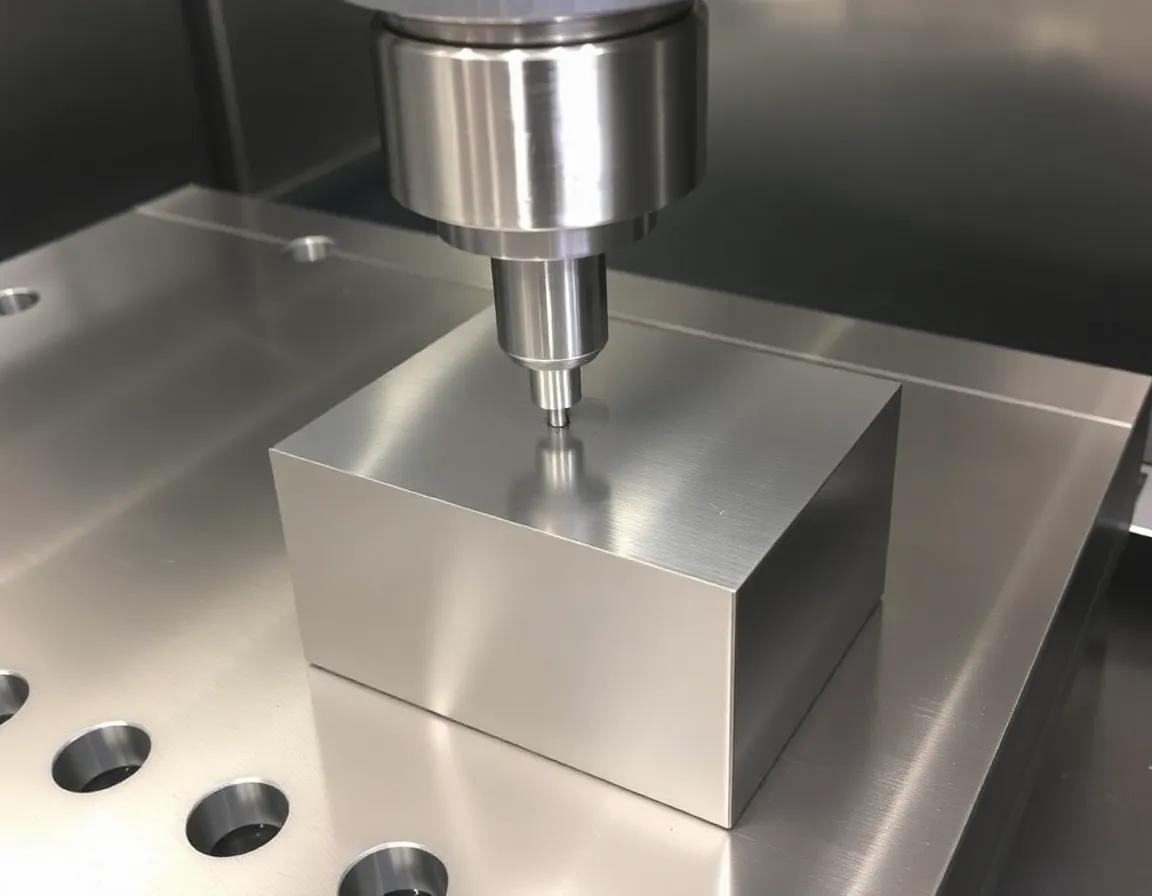
In the world of advanced manufacturing, the marriage of stainless steel and Computer Numerical Control (CNC) machining stands as a cornerstone of modern industry. Precision stainless steel CNC machining is a subtractive manufacturing process where pre-programmed computer software dictates the movement of factory tools and machinery to shape raw stainless steel stock into intricate, high-tolerance components. This process transforms one of the most versatile and durable engineering materials into complex parts that are essential across sectors from medical to aerospace. The inherent challenges of machining stainless steel—its toughness, work hardening tendencies, and thermal properties—make mastering its CNC processing a specialized skill, demanding a deep understanding of both material science and advanced machining techniques to unlock its full potential.
Understanding Stainless Steel Alloys for Machining
Not all stainless steel is created equal, especially from a machinist's perspective. The term "stainless steel" encompasses a family of iron-based alloys containing a minimum of 10.5% chromium, which provides the characteristic corrosion resistance. For CNC machining, selecting the appropriate grade is the first and most critical step, as it directly impacts tool life, machining parameters, and the final part's performance.
Common Machinable Grades
303 Stainless Steel: The go-to grade for superior machinability. Added sulfur enhances chip breaking, making it ideal for high-volume production of complex parts. However, its corrosion resistance and weldability are slightly inferior to 304.
304 Stainless Steel: The most widely used austenitic grade, offering excellent corrosion resistance and weldability. It is more challenging to machine than 303 due to its tendency to work harden, requiring sharp tools and consistent feed rates.
316 Stainless Steel: Similar to 304 but with added molybdenum for significantly improved corrosion resistance, particularly against chlorides and acids. Its machinability is slightly lower than 304, demanding even more careful parameter selection.
416 Stainless Steel: A martensitic, free-machining grade with added sulfur. It can be heat-treated for high strength and offers the best machinability of all stainless steels, but has lower corrosion resistance.
17-4 PH (Precipitation Hardening): This grade can be supplied in a solution-treated state that is relatively easy to machine. After machining, it can be aged to achieve very high strength, making it perfect for demanding aerospace and military applications.
The CNC Machining Process for Stainless Steel
Machining stainless steel requires a deliberate and well-planned approach to overcome its material properties. The process typically follows these key stages, each optimized for the material's behavior.
Design & Programming (CAD/CAM)
The journey begins with a 3D CAD model, which is translated into machine instructions (G-code) via CAM software. For stainless steel, programmers must incorporate strategies to manage heat and chip evacuation. This includes optimizing tool paths to maintain constant tool engagement, using trochoidal milling techniques to reduce heat concentration, and programming peck drilling cycles for deep holes.
Machine Setup & Workholding
Rigidity is non-negotiable. Stainless steel machining generates high cutting forces, so both the CNC machine (preferably a high-torque, rigid-box-way machine) and the workholding must be extremely secure. Vises, fixtures, and clamps are used to prevent any part movement or vibration, which can lead to poor surface finish, tool breakage, and dimensional inaccuracy.
Cutting Tools & Parameters
Tool selection is paramount. Key considerations include:
- Tool Material: Carbide tools are standard for their hardness and heat resistance. For severe conditions, coated carbides (TiAlN, AlCrN) or even ceramic tools may be used.
- Tool Geometry: Tools must be sharp with positive rake angles to reduce cutting forces and prevent work hardening. Robust geometries with strong cutting edges resist chipping.
- Cutting Parameters: A balance must be struck. Too slow, and the tool rubs, causing work hardening. Too fast, and excessive heat shortens tool life. Generally, lower speeds with higher feed rates are preferred, ensuring a thick enough chip to carry heat away.
Coolant and Lubrication
Effective heat management is critical. High-pressure flood coolant serves multiple purposes: it cools the cutting zone, lubricates to reduce friction, and flushes chips away to prevent re-cutting. For some operations, specially formulated lubricants or through-tool coolant delivery systems are essential to reach the cutting edge directly.
Benefits and Applications of Precision Machined Stainless Parts
The combination of stainless steel's material properties and CNC machining's precision yields components with exceptional value, driving their use in mission-critical applications.
Key Benefits
- Exceptional Corrosion Resistance: Parts withstand harsh environments, including exposure to chemicals, moisture, and extreme temperatures.
- High Strength-to-Weight Ratio: Especially with grades like 17-4 PH, components are both strong and relatively lightweight.
- Excellent Hygiene and Cleanability: The non-porous, smooth surface finish achievable with CNC machining makes parts ideal for sanitary applications.
- Superior Durability and Longevity: Machined stainless parts offer outstanding wear resistance and long-term dimensional stability.
- Design Freedom and Complexity: CNC machining can produce geometries—from complex internal passages to intricate contours—that are impossible with other manufacturing methods.
Industry Applications
Medical and Surgical: Implants, surgical instruments, and diagnostic equipment housings rely on the biocompatibility, sterility, and precision of machined stainless steel (e.g., 316L, 440C).
Aerospace and Defense: Landing gear components, engine parts, and missile guidance systems utilize the high strength, fatigue resistance, and reliability of grades like 304, 316, and 17-4 PH.
Food and Beverage Processing: Valves, pump bodies, and mixing nozzles are machined from 304 or 316 stainless for their corrosion resistance and ease of cleaning to meet sanitary standards.
Marine and Automotive: From propeller shafts to fuel system components, machined stainless parts resist saltwater corrosion and high-pressure environments.
Semiconductor and High-Tech: Wafer handling equipment, vacuum chambers, and precision fixtures require the ultra-clean, non-contaminating properties of finely machined stainless steel.
Best Practices and Expert Tips for Success
To consistently achieve high-quality, cost-effective stainless steel CNC parts, adhering to industry-proven best practices is essential.
Design for Manufacturability (DFM)
Collaborate with your machining partner early. Design features that minimize machining difficulty: avoid deep, small-diameter holes; specify internal radii that match standard cutter sizes; and add reliefs to sharp corners. Consider the stock form (bar, plate, forging) to reduce material waste and machining time.
Prioritize Rigidity and Stability
Every element in the machining system must be rigid: the machine, tool holder (preferably heat-shrink or hydraulic), cutting tool, workpiece, and fixtures. Vibration is the enemy of surface finish and tool life when machining tough materials like stainless steel.
Master Chip Control
In stainless steel machining, the chip is the primary vehicle for removing heat from the cut. Aim for a continuous, curled chip that breaks easily. Stringy chips indicate incorrect parameters, can wrap around the tool, and cause catastrophic failure. Adjust feed rates, depths of cut, and use chip-breaking tool geometries.
Implement Progressive Tool Wear Management
Do not run tools to failure. Monitor tool wear consistently and establish a preventive replacement schedule. For critical jobs, consider using tool presetters and machine tool monitoring systems to predict and prevent unexpected tool breakdowns.
Post-Processing Considerations
Many stainless steel parts require finishing after machining. Common processes include:
- Passivation: A chemical process that removes free iron from the surface and enhances the natural chromium oxide layer, maximizing corrosion resistance.
- Electropolishing: An electrochemical process that removes a thin surface layer, deburring, smoothing, and brightening the part while also improving corrosion resistance.
- Bead Blasting or Vibratory Finishing: Used to achieve uniform matte or satin surface textures.
Precision stainless steel CNC machining is a sophisticated discipline that blends advanced technology with deep material knowledge. By understanding the unique characteristics of stainless steel alloys, meticulously planning the machining process, and adhering to rigorous best practices, manufacturers can reliably produce components that meet the highest standards of precision, durability, and performance. As industries continue to push the boundaries of innovation, the role of expertly machined stainless steel will only grow more vital, forming the robust backbone of everything from life-saving medical devices to the vehicles that explore new frontiers.