
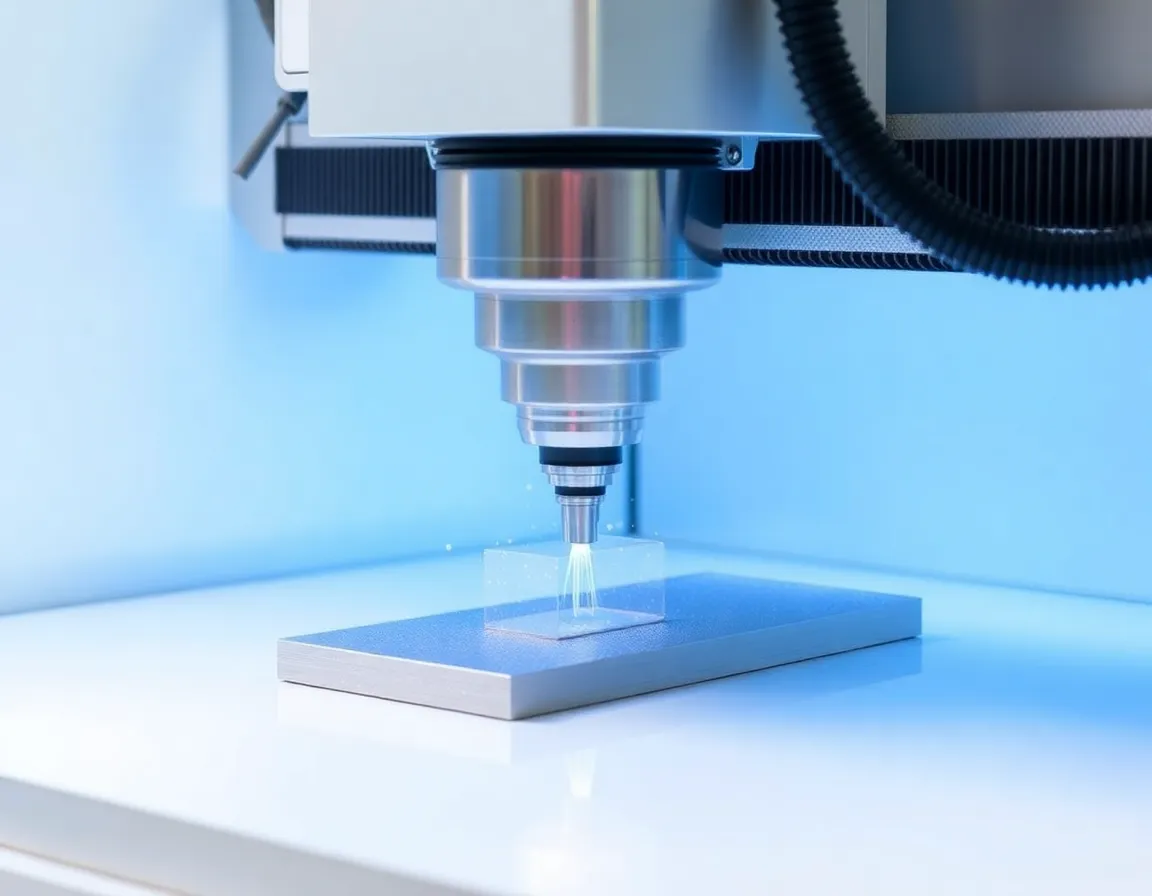
In the world of manufacturing, the narrative has long been dominated by two extremes: one-off prototyping and mass production. A vast, fertile middle ground, however, is where modern innovation truly thrives—small batch CNC machining. This powerful methodology bridges the gap between initial concept and full-scale launch, offering unparalleled flexibility, precision, and efficiency for producing limited quantities of high-quality parts. From startups to established aerospace firms, the ability to move seamlessly from prototype to production in small batches is revolutionizing how products are developed and brought to market.
What is Small Batch CNC Machining?
Small batch CNC machining refers to the production of a limited quantity of identical or similar parts, typically ranging from as few as 10 units up to several hundred, using computer numerical control (CNC) equipment. Unlike mass production, which requires enormous investment in dedicated tooling and setup for runs of thousands or millions, small batch machining leverages the inherent flexibility of CNC mills, lathes, and multi-axis centers. It is the cornerstone of on-demand and just-in-time manufacturing, allowing businesses to respond to market feedback, manage inventory efficiently, and reduce upfront capital risk.
The process begins with a digital 3D CAD model, which is translated into machine instructions (G-code) via CAM software. This code directs the precise movements of cutting tools to sculpt the final part from a solid block of material—known as a blank or workpiece. Because the setup is digitally controlled, switching from producing one part design to another often requires just a change in the program and fixturing, not a complete overhaul of the factory floor.
The Journey from Prototype to Production
The true power of small batch CNC machining is realized in its seamless integration throughout the entire product development lifecycle. It creates a continuous, iterative pathway that was previously fragmented.
Phase 1: Functional Prototyping
Initially, CNC machining is used to create high-fidelity, functional prototypes. Unlike 3D printed prototypes which may use different materials and processes, CNC prototypes are made from the exact production-grade metals or plastics intended for the final product. This allows for rigorous real-world testing of form, fit, and function. Engineers can validate tolerances, strength, thermal properties, and assembly interactions with confidence, knowing the production parts will perform identically.
Phase 2: Pilot Run & Market Testing
Once the design is validated, a small batch run (e.g., 50-200 units) serves as a pilot production. This batch is used for further beta testing, regulatory certifications, or initial market launch. The risk is minimal: if a design flaw is discovered or a market adjustment is needed, modifications can be made to the CAD file and implemented in the next batch with relatively low cost and no wasted investment in hard tooling.
Phase 3: On-Demand Production & Bridge Tooling
For many products, especially in fast-evolving tech or medical sectors, demand may never justify a massive production run. Small batch CNC becomes the primary production method, fulfilling orders as they come. For others anticipating high volume, these batches act as "bridge tooling," supplying the market while high-cost injection molds or die-casting dies are being manufactured, ensuring no loss of market momentum.
Key Benefits and Advantages
Adopting a small batch CNC strategy offers a compelling array of benefits for modern businesses.
- Reduced Risk and Lower Upfront Cost: Eliminates the need for expensive molds and dedicated tooling, dramatically lowering the barrier to entry for new product development.
- Unmatched Flexibility and Speed: Design changes can be implemented rapidly by modifying the digital file, allowing for agile response to feedback or engineering improvements.
- Consistent High Quality and Precision: CNC machines offer repeatable accuracy within microns. Every part in the batch, from the first to the last, meets the same stringent specifications.
- Vast Material Selection: Parts can be machined from virtually any engineering material—aluminum, stainless steel, titanium, brass, PEEK, Delrin, and more—enabling optimal performance characteristics.
- Improved Cash Flow and Inventory Management: Companies can produce what they need, when they need it, avoiding capital tied up in large inventories and warehouse costs.
- Scalability: Provides a natural, non-disruptive path to scale. Batch sizes can be increased incrementally as demand solidifies.
Applications Across Industries
The versatility of small batch CNC machining makes it indispensable across a diverse spectrum of sectors.
- Aerospace & Defense: Manufacturing high-strength, lightweight components, flight-certified prototypes, and specialized mounting hardware in regulated, low-volume environments.
- Medical & Dental: Producing sterile-compatible surgical instruments, custom implant prototypes, diagnostic device housings, and orthopedic guides with biocompatible materials.
- Automotive (especially EV & Motorsport): Creating custom brackets, fluid system components, prototype engine parts, and lightweight structural elements for performance and testing.
- Consumer Electronics: Developing enclosures for niche devices, heatsinks, connector prototypes, and pre-production batches for crowdfunded products.
- Robotics and Automation: Fabricating precise joints, actuator components, custom end-effectors, and frame parts for R&D and limited-series robots.
- Industrial Equipment: Manufacturing replacement parts for legacy machinery, custom jigs and fixtures, and prototypes for new equipment lines.
Best Practices for Successful Small Batch CNC Projects
To maximize the value of small batch CNC machining, adherence to certain best practices is crucial.
Design for Manufacturability (DFM)
Even with the flexibility of CNC, smart design is key. Engage with your machining partner early. Simplify geometries where possible, specify realistic tolerances (tighter tolerances increase cost), and consider tool access. Good DFM reduces machining time, cost, and potential errors.
Material and Finish Selection
Choose materials not only for performance but also for machinability. Aluminum 6061, for instance, is a cost-effective and easy-to-machine choice for many applications. Similarly, select surface finishes (e.g., anodizing, powder coating, passivation) that match the part's function and aesthetic requirements without over-specifying.
Partner with the Right Machine Shop
Not all machine shops are optimized for small batches. Look for a partner with:
- Experience in low-volume, high-mix production.
- A strong DFM feedback culture.
- Modern, well-maintained multi-axis CNC equipment.
- Robust quality control processes (like CMM inspection).
- Transparent communication and project management.
Plan for Post-Processing
Account for secondary operations in your timeline and budget. This includes deburring, surface finishing, part marking, and any required assembly. A good machine shop will often offer these services in-house, streamlining the supply chain.
Conclusion
Small batch CNC machining has emerged as the backbone of agile, responsive manufacturing in the 21st century. It empowers innovators to move from a validated prototype to a market-ready product with unprecedented speed and financial prudence. By collapsing the traditional barriers between design, testing, and production, it enables a continuous cycle of improvement and adaptation. Whether you are a hardware startup making your first foray into manufacturing or an established company developing a new component, mastering the small batch CNC approach is not just an option—it is a strategic imperative for thriving in a dynamic, demand-driven economy.