In the high-stakes world of modern manufacturing, where tolerances are measured in microns and component failure is not an option, precision grinding stands as a cornerstone of quality and efficiency. Far more than a simple shaping process, precision grinding is a sophisticated material removal technique that delivers unparalleled accuracy, superior surface finishes, and exceptional part integrity. For engineers, procurement specialists, and business owners, leveraging professional precision grinding services isn't just a technical choice—it's a strategic financial decision. This article delves into how this advanced machining process directly translates into significant time and cost savings across your operations.
What is Precision Grinding?
Precision grinding is a machining process that uses an abrasive grinding wheel as the cutting tool to remove minute amounts of material from a workpiece. Its defining characteristic is its ability to achieve extremely tight dimensional tolerances, often within millionths of an inch (or microns), and produce surface finishes of exceptional quality. Unlike conventional grinding, which might be used for rough stock removal, precision grinding is the final, critical step that ensures a component meets its exact design specifications.
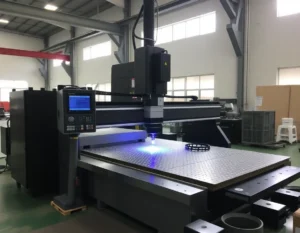
The process is governed by advanced machinery, such as CNC (Computer Numerical Control) grinders, cylindrical grinders, surface grinders, and centerless grinders. These machines offer meticulous control over variables like wheel speed, feed rate, and depth of cut. The grinding wheels themselves are engineered with specific abrasive grains (like aluminum oxide, cubic boron nitride, or diamond) bonded together, each selected for its ability to cut particular materials effectively, from hardened steel and exotic alloys to ceramics and composites.
The Mechanics: How Precision Grinding Works
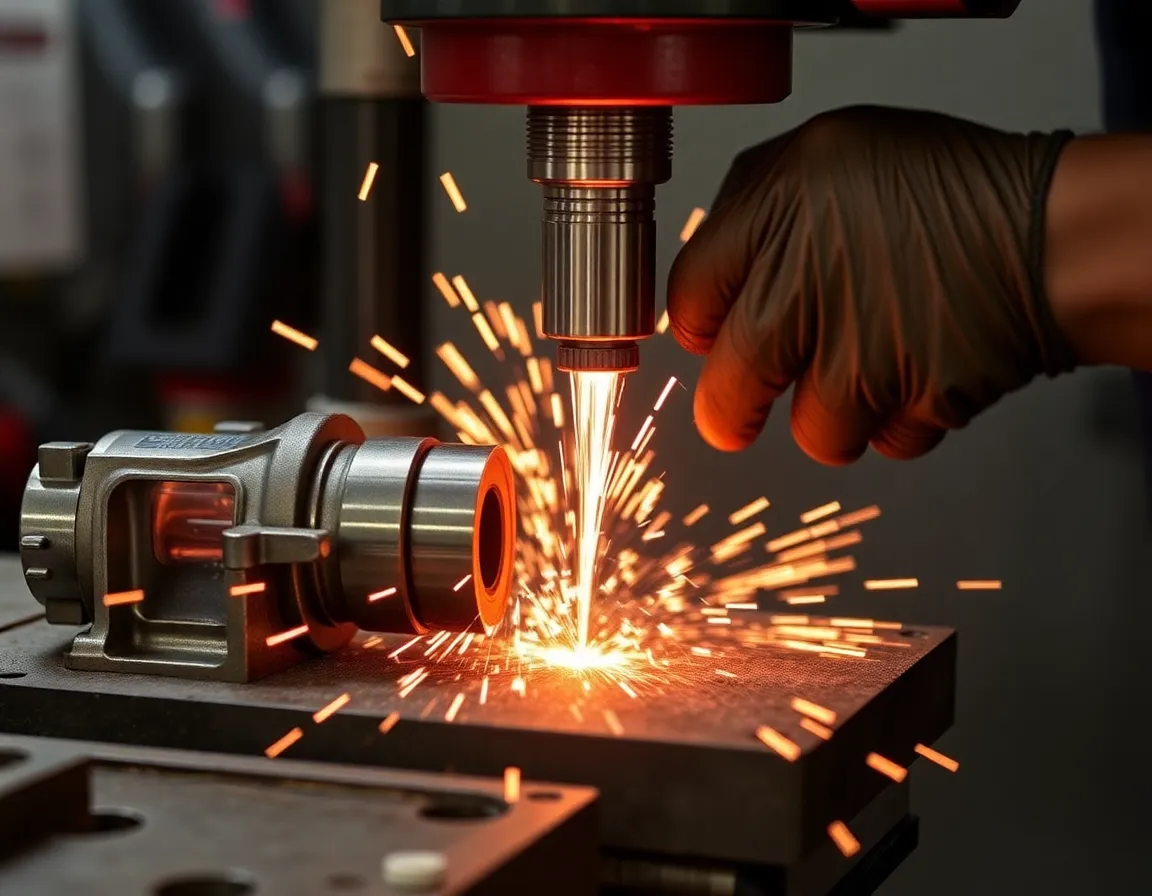
At its core, precision grinding relies on the principle of abrasive cutting. Each microscopic abrasive grain on the rotating wheel acts as a single-point cutting tool, shearing off tiny chips of material. The sophistication lies in the control and synchronization of the entire system.
The Role of CNC Technology
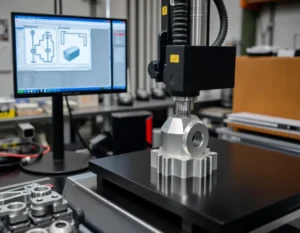
Modern precision grinding is inseparable from CNC technology. CNC grinders are programmed with the exact part geometry, allowing for automated, repeatable, and complex operations. This eliminates human error from manual adjustments and enables the production of intricate profiles, tapers, and radii with consistent accuracy across thousands of parts. The machine follows a digital blueprint with unwavering precision, ensuring every finished component is identical to the last.
Key Grinding Methods
Different part geometries and requirements call for specific grinding techniques:
- Cylindrical Grinding: Used for external or internal surfaces of cylindrical components. It can produce straight, tapered, or contoured shapes and is ideal for shafts, bearings, and sleeves.
- Surface Grinding: Primarily used to produce flat, angular, or contoured surfaces on parts. A rotating wheel grinds the workpiece, which is mounted on a reciprocating or rotary table, achieving exceptional flatness and parallelism.
- Centerless Grinding: A high-production method where the workpiece is not held between centers or chucks. Instead, it rests on a work blade and is rotated between a grinding wheel and a regulating wheel. This is perfect for long, slender parts or mass-producing items like pins, rods, and bushings.
- Jig Grinding: Used for complex shapes and holes where the highest accuracy is needed, often for die and mold components. It combines the precision of grinding with the flexibility of a milling machine.
The Tangible Benefits: Saving Time & Money
Investing in precision grinding services yields a powerful return on investment (ROI) by streamlining production, enhancing product performance, and reducing waste. Here’s a detailed breakdown of the savings.
1. Reduced Material and Processing Costs
Precision grinding often serves as a near-net-shape or final machining process. This means components can be formed or cast close to their final dimensions using less expensive methods before grinding delivers the perfect finish and tolerance. You save on initial material costs. Furthermore, because grinding removes material so precisely and efficiently, it minimizes waste (swarf), leading to savings in raw material consumption and disposal costs.
2. Elimination of Secondary Operations
A component finished with high-precision grinding often requires no additional finishing work. The process can achieve surface finishes so smooth (often measured in Ra micro-inches) that subsequent polishing, lapping, or honing becomes unnecessary. This consolidation of steps slashes labor time, reduces handling, shortens the overall production timeline, and simplifies the supply chain.
3. Enhanced Component Performance and Longevity
Parts ground to precise tolerances and superior finishes perform better and last longer. For example, a precisely ground shaft will have perfect geometry, leading to less vibration, lower friction, reduced wear on bearings, and higher operational efficiency. This translates directly into reduced downtime for maintenance, fewer warranty claims, and a stronger reputation for reliability—all of which protect your bottom line.
4. Minimized Scrap and Rework
The accuracy and repeatability of CNC precision grinding dramatically lower the rate of out-of-spec parts. When every component meets the blueprint exactly, you avoid the massive costs associated with scrapping expensive materials or spending labor hours on rework. This consistency is crucial for high-volume production runs and industries with zero-defect philosophies, such as aerospace and medical device manufacturing.
5. Faster Time-to-Market
By outsourcing to an expert precision grinding service provider, you gain access to state-of-the-art equipment and specialized expertise without the capital expenditure. This allows you to prototype and produce complex parts rapidly, accelerating your product development cycle. Getting a reliable, high-quality product to market faster is a decisive competitive advantage that drives revenue.
Applications Across Critical Industries
The value of precision grinding is proven in fields where failure is not an option and performance is paramount.
- Aerospace: Manufacturing turbine blades, engine components, and landing gear parts that must withstand extreme stresses and temperatures.
- Automotive: Producing fuel injection components, transmission parts, camshafts, and high-performance engine valves for efficiency and durability.
- Medical & Surgical: Creating implants, surgical tools, and diagnostic device components that require biocompatibility, extreme smoothness, and flawless sterility.
- Tool & Die: Fabricating durable, accurate molds, dies, and tooling that define the quality of mass-produced consumer goods.
- Energy: Grinding components for turbines, pumps, and valves used in oil & gas, nuclear, and renewable energy systems.
Best Practices for Maximizing Value from Grinding Services
To fully realize the time and cost savings, a collaborative partnership with your grinding service provider is key.
Design for Manufacturability (DFM)
Engage with your grinding partner early in the design phase. They can advise on optimal tolerances, materials, and geometries that are both functional and cost-effective to grind. Specifying unnecessarily tight tolerances can exponentially increase cost without adding value.
Material and Wheel Selection
Understand that the material of your part dictates the grinding process. A reputable service will select the optimal abrasive wheel, coolant, and machine parameters to efficiently cut your specific material without inducing thermal damage or stress, ensuring part integrity.
Quality Assurance and Communication
Partner with a provider that has a robust Quality Management System (QMS), including in-process inspection, advanced metrology (like CMMs and surface analyzers), and full documentation. Clear communication of your specifications, performance requirements, and application context is essential for a successful outcome.
In conclusion, precision grinding is far more than a mere step in a manufacturing process; it is a value-engineering solution. By delivering unmatched accuracy, exceptional surface quality, and repeatable results, it drives efficiency at every stage of the product lifecycle—from reducing initial production costs and accelerating development to enhancing product performance and slashing long-term operational expenses. In a competitive global market, partnering with a skilled precision grinding service provider is not an expense; it is a strategic investment in quality, reliability, and ultimately, your company's profitability.