Introduction: The Fusion of Precision and Protection
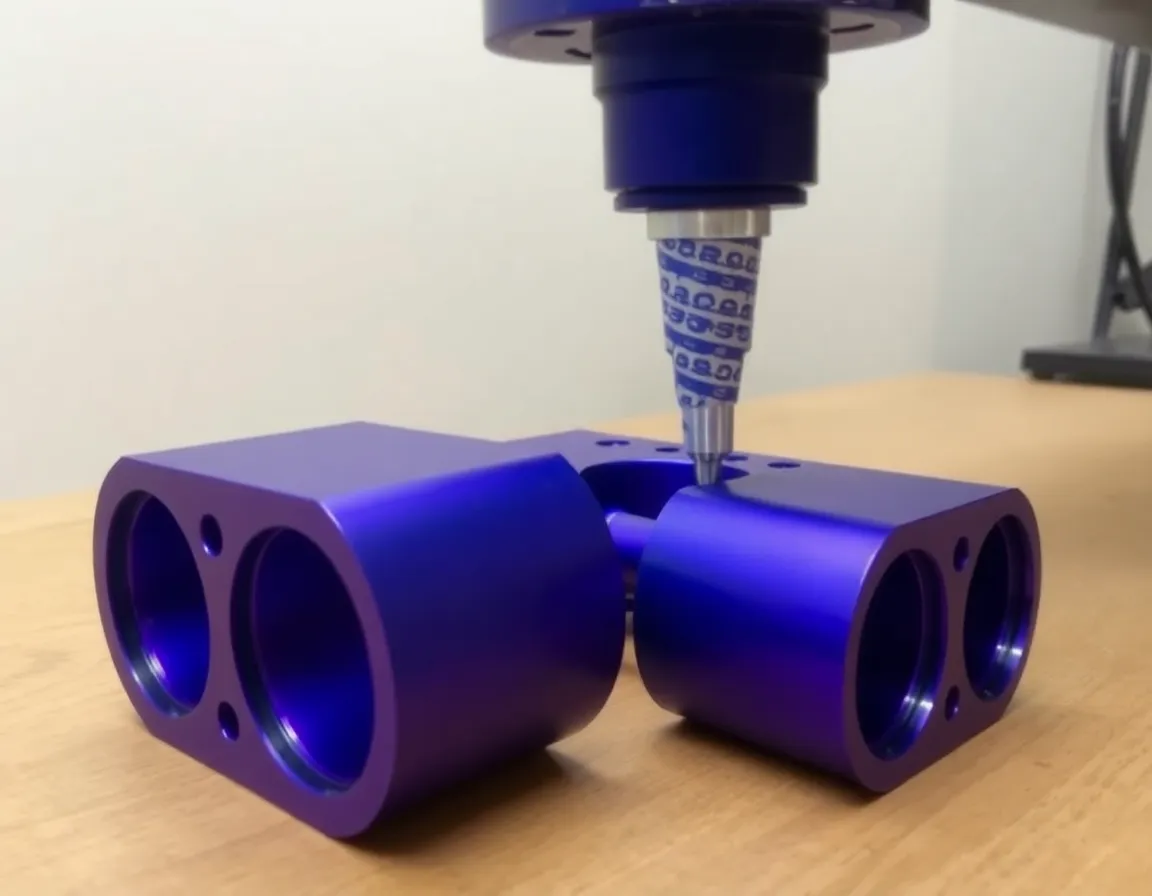
In the world of manufacturing, CNC machining stands as a pinnacle of precision, creating parts with tolerances measured in microns. Yet, even the most perfectly machined component is vulnerable. Exposure to environmental factors, chemicals, wear, and tear can compromise both its appearance and its function. This is where powder coating enters the stage, offering a robust, durable, and aesthetically versatile finishing solution. The marriage of powder coating for CNC parts represents a powerful synergy, combining the dimensional accuracy of computer-controlled machining with the superior protective and decorative qualities of an advanced finishing process. This complete guide will delve into every aspect of this critical post-processing step.
What is Powder Coating and How Does It Work?
Powder coating is a dry finishing process where a finely ground mixture of pigment and resin is electrostatically sprayed onto a surface. Unlike traditional liquid paint, which requires a solvent to keep the binder and filler parts in a liquid suspension, powder coating is applied dry and then cured under heat to form a hard, durable "skin." The process for CNC parts typically follows a meticulous sequence to ensure optimal adhesion and finish quality.
The Powder Coating Process: A Step-by-Step Breakdown
1. Pre-treatment and Cleaning: This is arguably the most critical stage. Any oil, grease, machining coolant, or oxide layer left on the CNC part will prevent proper adhesion. The part undergoes a multi-stage process often involving alkaline cleaning, rinsing, etching (for aluminum), phosphating (for steel), and a final rinse. A completely clean, chemically prepared surface is non-negotiable.
2. Drying: After pre-treatment, the part must be thoroughly dried to remove all moisture before powder application.
3. Powder Application: The dry powder is fluidized in a hopper and then sprayed through a gun that imparts a positive electrostatic charge to the powder particles. The grounded CNC part (which is electrically conductive, being metal) attracts the charged powder, creating a uniform coating. Overspray can often be collected and reused, making the process highly efficient.
4. Curing: The coated part is transferred to a curing oven. Here, the heat triggers a chemical cross-linking reaction in the powder, causing it to flow and fuse into a continuous, durable film. Typical curing temperatures range from 300°F to 450°F (150°C to 230°C) for 10-20 minutes, depending on the powder formulation and part mass.
Key Benefits of Powder Coating CNC Machined Parts
Choosing powder coating over other finishing methods offers a compelling list of advantages that align perfectly with the high standards of CNC-machined components.
Unmatched Durability and Protection
Powder coatings are exceptionally resistant to chipping, scratching, fading, and corrosion. The cured finish is much thicker and more robust than conventional paint, providing a superior barrier against moisture, chemicals, UV radiation, and extreme weather conditions. This extends the functional lifespan of the part significantly.
Superior Aesthetic and Functional Qualities
- Wide Range of Finishes: Available in virtually any color, plus textures (wrinkle, hammer tone, matte, gloss), metallics, and special effects (color-shifting, fluorescent).
- Uniform Coverage: The electrostatic process ensures even coverage on edges and complex geometries, which is ideal for intricately machined parts.
- Functional Coatings: Beyond color, powders can provide specific properties like chemical resistance for medical parts, electrical insulation, or FDA-compliance for food-grade applications.
Environmental and Economic Efficiency
Powder coating is a green technology. It contains no volatile organic compounds (VOCs), produces minimal hazardous waste, and overspray can be recycled. This makes it safer for workers and the environment. The high transfer efficiency and material reuse also contribute to lower long-term costs and reduced waste disposal fees.
Applications: Where Powder Coated CNC Parts Excel
The combination of CNC precision and powder coat durability opens doors across countless industries. Common applications include:
- Aerospace & Defense: Lightweight aluminum housings, brackets, and drone components requiring high strength-to-weight ratios and environmental resistance.
- Automotive & Motorsports: Engine components, custom brackets, suspension parts, and interior accents that must withstand heat, oil, and vibration.
- Medical & Laboratory Equipment: Device enclosures, surgical tool handles, and instrument frames that need to be chemically resistant, easy to clean, and aesthetically sterile.
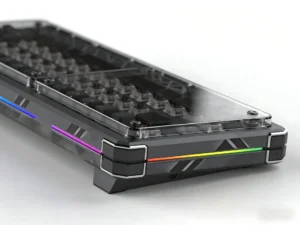
- Consumer Electronics & Tech: Robust and attractive housings for routers, servers, custom computer cases, and audio equipment.
- Industrial Machinery: Guards, panels, and functional components that require corrosion resistance and easy identification through color-coding.
- Architectural & Design: Custom fixtures, furniture components, and artistic installations where both form and long-lasting finish are paramount.
Best Practices for Powder Coating CNC Parts
To achieve the best possible result, collaboration between the machinist and the coating applicator is essential. Following these best practices ensures a flawless finish.
Design and Machining Considerations
- Deburr and Smooth Edges: Sharp edges and burrs can cause the powder coating to pull away during curing, leading to thin coverage or "edge pullback." All parts should be thoroughly deburred.
- Mind the Tolerances: Powder coating adds thickness—typically 2 to 6 mils (0.05 to 0.15 mm) per coat. For parts with tight mating tolerances (e.g., shafts, bore diameters), this buildup must be accounted for in the CNC design phase (machining undersized).
- Provide Adequate Hanging Points: Designers should consider how the part will be racked for coating and curing. Small tabs or non-critical holes can be added for hanging.
Material and Preparation Awareness
- Material Compatibility: While most metals (aluminum, steel, stainless steel, brass) coat excellently, some materials like zinc die-castings may require specific pre-treatment. Discuss the substrate material with your coater.
- Post-Machining Cleanliness: Avoid handling parts with bare hands after final machining. Use clean gloves to prevent skin oils from contaminating the surface before it reaches the coater.
- Communicate Intent: Inform your powder coating provider about the part's end-use environment (outdoor, chemical exposure, high temperature) so they can select the optimal powder chemistry (epoxy, polyester, polyurethane, hybrid).
Post-Coating Considerations
- Threaded Holes and Precision Features: Use high-temperature masking plugs or tapes during coating to protect threaded holes, bearing surfaces, or areas where adhesion is not desired. These are removed after curing.
- Curing Temperature Effects: The heat from the curing oven can slightly affect the temper of some heat-treated metals (like certain aluminums). While usually negligible, it's a factor for highly stressed components.
- Quality Inspection: After coating, parts should be inspected for uniformity, color match, adhesion (via cross-hatch test), and the absence of defects like orange peel, pinholes, or runs.
Conclusion: The Definitive Finish for Precision Parts
Powder coating is far more than just a "paint job" for CNC parts. It is an engineering-grade finishing process that enhances, protects, and prolongs the life of precision-machined components. By providing an exceptional blend of durability, aesthetic flexibility, environmental friendliness, and economic sense, it has become the finish of choice for engineers, designers, and manufacturers across the globe. When you specify powder coating for your CNC parts, you are not merely adding color—you are investing in a final layer of performance, quality, and resilience that matches the precision engineered into the part itself. Understanding the process, benefits, and best practices outlined in this guide empowers you to make informed decisions and achieve outstanding results for your next project.