Introduction: The Critical Role of Optical Module Housing
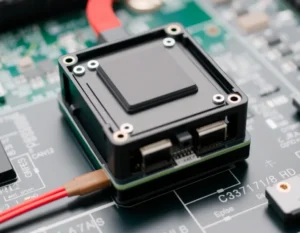
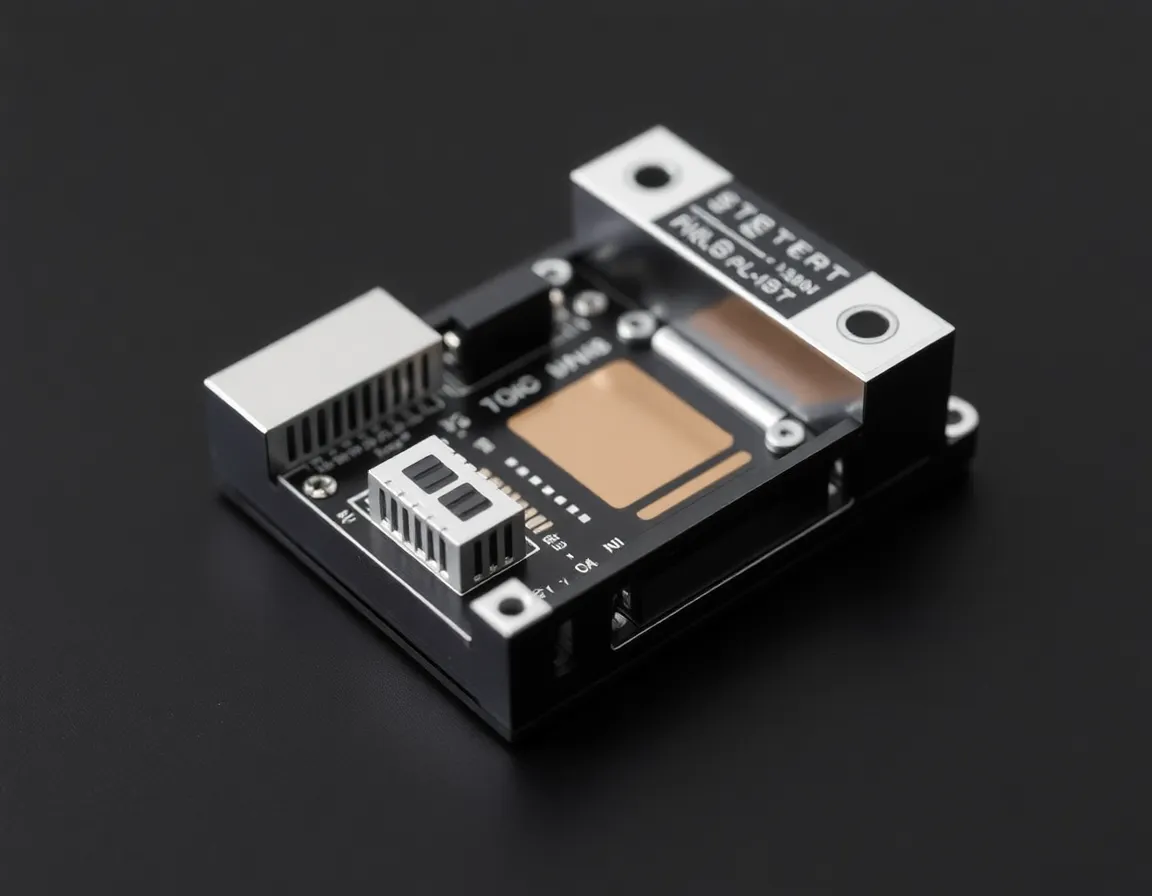
In the high-speed, data-driven world of modern telecommunications and data centers, optical modules are the unsung heroes. These compact devices, such as SFP, QSFP, and OSFP, convert electrical signals into light and back again, forming the backbone of our global internet infrastructure. While much attention is given to the lasers, photodiodes, and intricate electronics inside, the optical module housing is a critical component that ensures everything within functions reliably. The housing is far more than a simple shell; it is a precision-engineered guardian that provides mechanical protection, thermal management, electromagnetic shielding, and a standardized interface. The choice of material and design for this housing directly impacts the module's performance, durability, and suitability for harsh environments. This guide delves into the materials, design considerations, and durability factors that define high-quality optical module housings.
Primary Materials for Optical Module Housing
The selection of housing material is a fundamental engineering decision, balancing factors like cost, thermal conductivity, electromagnetic interference (EMI) shielding, weight, and manufacturability. The industry primarily relies on two classes of materials: metals and advanced plastics.
Metal Housings: The Traditional Powerhouse
Metal housings, typically made from zinc or aluminum alloys via die-casting, have been the traditional choice for high-performance and industrial-grade optical modules.
- Zinc Alloys (e.g., Zamak): Widely used due to excellent die-casting fluidity, which allows for complex, precise shapes with thin walls. Zinc provides good EMI shielding naturally and offers decent corrosion resistance. It is relatively cost-effective for high-volume production and provides substantial mechanical strength.
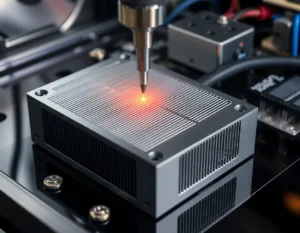
- Aluminum Alloys: Prized for their superior thermal conductivity. Aluminum housings act as an effective heat sink, drawing heat away from the internal laser driver and processor. This is crucial for maintaining laser wavelength stability and longevity, especially in high-power modules like 400G and above. Aluminum is also lightweight and offers good shielding when properly designed.
Both types of metal housings are often plated with layers of nickel and gold to enhance corrosion resistance, improve solderability for the connector pins, and ensure consistent electrical contact.
Plastic Housings: The Lightweight Challenger
Advances in polymer science have made engineered plastics a viable and increasingly popular alternative, particularly for cost-sensitive, high-volume applications like consumer-grade and some data center modules.
- Liquid Crystal Polymer (LCP): The frontrunner in plastic housing materials. LCP boasts exceptional dimensional stability across a wide temperature range, high flowability for molding intricate details, and excellent moisture barrier properties. Its low coefficient of thermal expansion minimizes stress on internal components and solder joints.
- Polyphthalamide (PPA) & Other High-Temperature Nylons: These materials offer a good balance of thermal resistance, mechanical strength, and cost. They are often used when LCP's premium properties are not fully required but standard plastics would fail.
The primary challenge with plastic is its inherent transparency to electromagnetic waves. To achieve necessary EMI shielding, plastic housings must be metallized. This is done through techniques like electroless plating (nickel/gold), vacuum metallization, or the use of conductive paints and coatings. This adds a step to the manufacturing process but can still result in a lower overall cost and weight compared to metal.
Key Durability and Performance Factors
Durability in an optical module housing is not just about being physically tough. It encompasses a range of environmental and operational challenges that the module must withstand throughout its operational life, often measured in years of continuous service.
Thermal Management and Heat Dissipation
Heat is the enemy of laser diodes and silicon chips. Excessive temperature leads to wavelength drift, increased bit error rates (BER), and accelerated component failure. The housing plays a vital role in the thermal pathway.
- Metal Housings: Act as a primary heat spreader. They are often designed with fins or flat surfaces to maximize contact with airflow or external heat sinks.
- Plastic Housings: Being thermal insulators, they require clever design. Heat is typically managed by incorporating metal thermal pads or plates inside the housing that make direct contact with the heat-generating components and transfer heat to the module's metal cage or host board.
EMI Shielding and Signal Integrity
Optical modules operate at extremely high frequencies. The housing must prevent internal high-speed electrical signals from radiating out and causing interference with neighboring equipment (EMI). Conversely, it must protect sensitive internal circuitry from external electromagnetic noise (EMS). A continuous, unbroken conductive shell is ideal. Metal provides this naturally, while plastic requires a flawless, continuous metallized coating. Any gap or imperfection can become an antenna, degrading performance and failing regulatory compliance (FCC, CE).
Environmental Sealing and Corrosion Resistance
Modules deployed in industrial settings or outdoors may be exposed to humidity, dust, and corrosive gases. While not all modules are fully sealed, robust housings are designed to meet specific Ingress Protection (IP) ratings. Sealing is achieved using gaskets, seals, and special coatings on the metal itself. Plated layers on metal housings (Ni/Au) are essential to prevent oxidation of contacts and structural corrosion, especially for aluminum.
Mechanical Robustness and Interface Durability
The housing must protect delicate internal components from physical shock, vibration, and mechanical stress during insertion/removal (mating cycles). Key areas of focus include:
- The strength of the latch mechanism (often integrated into the housing).
- The durability of the connector pin field (gold plating thickness is critical).
- The rigidity of the overall structure to prevent flexing that could break solder joints.
Applications and Material Selection Guidelines
The optimal choice of housing material is dictated by the application's specific demands and cost constraints.
High-Performance Data Centers & Telecom Core
For 400G, 800G, and coherent modules where power consumption and heat density are extreme, aluminum housings are often the default choice. Their superior thermal performance is non-negotiable for maintaining signal integrity and reliability in tightly packed switches and routers. The higher cost is justified by the system-level performance gains.
Cost-Sensitive & High-Density Enterprise Applications
In scenarios where thermal loads are moderate (e.g., shorter reach, lower power modules) and port density is key, LCP plastic housings offer a compelling advantage. Their lighter weight reduces stress on board connectors, and their lower cost enables more aggressive pricing. Modern metallization techniques provide sufficient EMI shielding for most indoor environments.
Industrial & Harsh Environment Applications
Modules used in factory automation, transportation, or outdoor telecom cabinets face temperature extremes, vibration, and moisture. Here, ruggedized metal housings (often zinc or aluminum with thick plating) paired with IP-rated sealing are essential. The inherent strength, shielding, and thermal stability of metal make it the only suitable choice for these demanding conditions.
Best Practices in Design and Manufacturing
Creating a durable and effective optical module housing requires attention to detail from design through final assembly.
- Design for Manufacturability (DFM): Collaborate with material scientists and molding/die-casting experts early. Factors like draft angles, wall thickness uniformity, and gate locations are critical for producing defect-free housings that maintain precision.
- Integrated Thermal Design: The housing should be modeled as part of the overall thermal solution from the start. This includes planning for interface materials (thermal grease, pads) and ensuring flat, smooth surfaces for optimal heat transfer.
- Shielding Continuity: Design must ensure that when the housing is assembled (often a two-part clam-shell), the mating edges create a continuous electrical contact. This may involve designed-in contact springs, conductive gaskets, or interlocking features.
- Rigorous Testing: Beyond standard functional tests, housings and finished modules should undergo environmental stress screening, including thermal cycling, humidity exposure, vibration tests, and EMI chamber testing to validate durability claims.
- Supply Chain Quality Control: Consistency in raw material composition (alloy or polymer resin), plating thickness, and molding parameters is vital. Any variance can lead to batch-level failures in the field.
Conclusion: The Foundation of Reliable Connectivity
The optical module housing is a masterpiece of practical engineering, a component where material science, electrical engineering, and mechanical design converge. The choice between metal and plastic is not a simple matter of cost versus performance, but a nuanced decision based on thermal load, operational environment, and total system requirements. As data rates continue to climb towards 1.6T and beyond, and as networks expand into more challenging environments, the innovation in housing materials and designs will remain a critical frontier. Whether it's a die-cast aluminum shell dissipating heat in a hyperscale data center or a metallized LCP case enabling a low-cost fiber-to-the-home deployment, the housing stands as the durable, protective foundation upon which our world's optical connectivity reliably operates. Understanding its materials and the principles of its durability is key to selecting, designing, and deploying the optical modules that will power the next generation of digital infrastructure.