The Unseen Art: How Precision Machining Shapes Sonic Excellence
In the world of audio capture, the microphone stands as the critical gateway between the physical phenomenon of sound and the digital realm of recording. While microphone specifications often highlight transducer type, polar pattern, and frequency response, the foundation of true sonic fidelity is frequently overlooked: the precision machining of its internal components. Far from mere metal housings, the intricately machined parts within a microphone are the unsung heroes that dictate its performance, durability, and character. This article delves into the sophisticated world of microphone parts machining, exploring how this exacting craft is fundamental to achieving superior microphone performance.
Anatomy of Accuracy: Key Microphone Components Requiring Precision Machining
At its core, a microphone is an electro-mechanical device where physical tolerances have a direct and profound impact on electrical output. The conversion of acoustic energy to electrical signal is a delicate process, easily compromised by imperfections in the mechanical pathway. Several critical components demand the highest levels of machining precision.
The Capsule Assembly: Heart of the Matter
The transducer capsule—whether condenser, dynamic, or ribbon—is the absolute epicenter of precision. For a condenser microphone, this includes the backplate and the diaphragm mounting assembly. The backplate, often a complex piece with precise perforations, must be machined to exacting flatness and hole-pattern consistency. Any variance can cause nonlinearities in the electrostatic field, leading to distortion and uneven frequency response. The diaphragm tensioning and spacing mechanism, sometimes measured in microns, requires machining tolerances that ensure perfect parallelism and distance from the backplate.
Acoustic Grilles and Mesh Filters
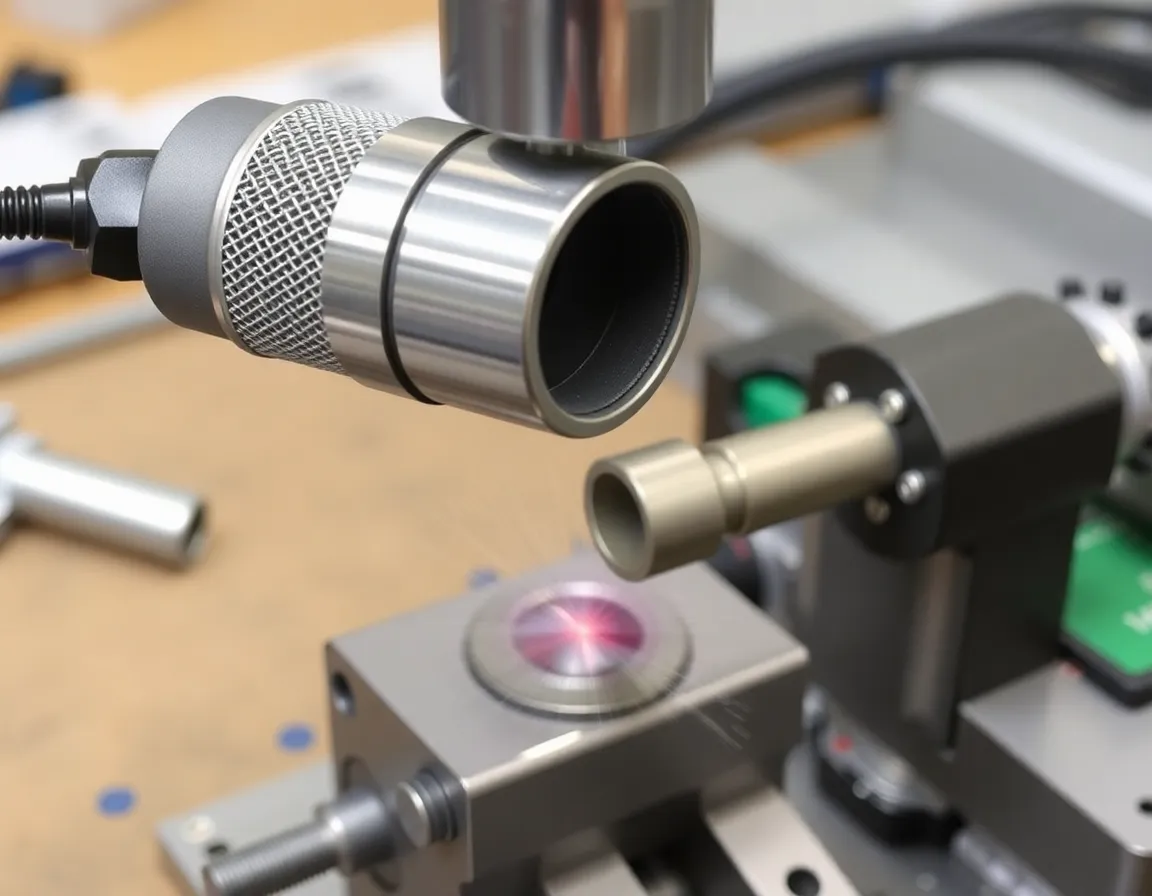
The protective grille or headbasket is not just a cosmetic shell; it is a finely tuned acoustic filter. Its geometry—the size, pattern, and depth of its holes—controls airflow, manages proximity effect, and shapes the microphone's high-frequency response. Precision CNC machining or photo-etching allows manufacturers to create complex, multi-layer grilles that provide optimal pop filtering and control internal reflections, which can cause coloration and phase issues.
Internal Baffles and Isolation Mounts
Inside the microphone body, strategically placed baffles and isolation mounts are machined to decouple the capsule from mechanical vibrations and electromagnetic interference. These parts must fit seamlessly within the housing to form acoustic chambers that manage internal standing waves and resonances. The precision of these components directly affects a microphone's self-noise and its ability to reject unwanted handling or environmental noise.
Housings and Threads
The main microphone body and its threading (for stands, shock mounts, and connectors) are subjects of rigorous machining. A perfectly concentric and rigid housing ensures proper alignment of all internal components. High-quality threads, cut with precision lathes, guarantee secure mounting without cross-threading, which is essential for studio reliability and field robustness.
The Machining Processes: From Raw Material to Sonic Component
Creating these miniature marvels requires a blend of advanced technology and skilled craftsmanship. The journey from a metal billet to a finished microphone part involves several critical processes.
CNC Milling and Turning
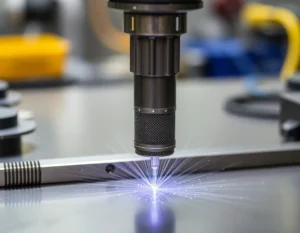
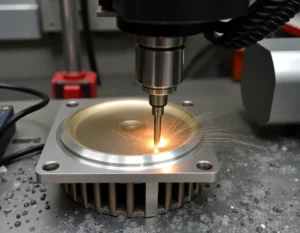
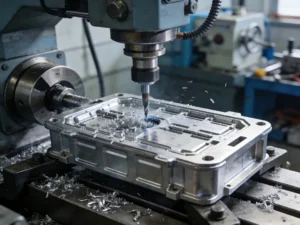
Computer Numerical Control (CNC) milling and turning are the workhorses of microphone parts manufacturing. CNC lathes are ideal for creating cylindrical components like housings and threaded rings with exceptional concentricity. CNC mills, often 5-axis machines, can produce the complex three-dimensional shapes required for acoustic grilles, intricate backplates, and internal brackets. The programming of these machines dictates tool paths that achieve surface finishes smooth enough to prevent acoustic diffraction.
Micro-Machining and Swiss-Turn Lathes
For the smallest components, such as tiny screws, spacer rings, or specialized fastener, micro-machining and Swiss-type lathes come into play. These machines can hold tolerances within a few microns (thousandths of a millimeter), essential for parts that influence diaphragm spacing or electrical contact alignment. This level of precision ensures consistency from one microphone unit to the next, a hallmark of professional-grade equipment.
Finishing Processes: Anodizing, Plating, and Tumbling
Machining is only part of the equation. Surface finishing is crucial for both performance and longevity. Anodizing aluminum parts provides a hard, non-conductive, and corrosion-resistant layer. Electroless nickel plating offers a uniform, non-magnetic, and highly durable finish, often used on grilles and internal shields. Vibratory tumbling or precision polishing deburrs parts, removing any microscopic sharp edges that could create turbulence or noise in airflow. These finishes ensure the parts not only perform optimally but also withstand the test of time.
The Sonic Benefits of Precision: Why Tolerance Matters
The investment in high-tolerance machining translates directly into tangible audio benefits that engineers and artists can hear.
- Lower Self-Noise: Perfectly machined capsules and tightly fitted internal assemblies minimize microphonic noise (components picking up vibration) and ensure stable electrical connections, resulting in a cleaner, lower-noise signal.
- Enhanced Transparency and Detail: Precision-machined acoustic pathways and grilles minimize distortion and coloration caused by irregular reflections or turbulent airflow. This allows the true character of the sound source to be captured with greater accuracy.
- Consistent Polar Patterns: For multi-pattern condenser microphones, the machining of the dual-diaphragm capsule assembly and the surrounding cavity must be flawless to ensure the rear diaphragm behaves identically to the front, creating accurate and symmetrical cardioid, omnidirectional, and figure-8 patterns.
- Improved Durability and Reliability: Precisely machined threads, robust housings, and well-fitted components mean the microphone can endure the rigors of touring, frequent setup changes, and environmental fluctuations without performance degradation or failure.
- Unit-to-Unit Consistency: In professional studio environments where a matched pair of microphones is required for stereo recording, machining precision guarantees that both microphones in the pair perform identically, a critical factor for accurate stereo imaging.
Applications and Best Practices in the Industry
The principles of precision machining are applied across the entire microphone spectrum, but the standards vary with application.
Studio Condenser Microphones
High-end large-diaphragm condenser microphones represent the pinnacle of machining art. Manufacturers often use brass, heavy-grade aluminum, or even solid steel for housings and grilles, machined with extreme care. The backplates may be gold-sputtered or specially coated after machining to achieve the desired electrical and acoustic properties. The focus here is on achieving a specific, often colored, sonic character through controlled resonances and exacting capsule construction.
Measurement and Instrumentation Microphones
This category demands the absolute highest level of precision, as these microphones must adhere to international standards (like IEC 61672). Their machining is focused on achieving a perfectly flat, linear frequency response. Capsules are often made with laser-machined or chemically etched materials, and isolation is paramount. Tolerances are so tight that these microphones are typically calibrated as a complete system.
Best Practices for Manufacturers
- Material Selection: Choosing the right material (e.g., non-resonant alloys, non-magnetic metals) is the first critical step.
- In-Process Quality Control: Using coordinate measuring machines (CMM) and optical comparators to inspect parts at various stages of production ensures deviations are caught early.
- Cleanroom Assembly: Assembling machined parts in a controlled, clean environment prevents dust particles—which can be larger than diaphragm gaps—from contaminating the capsule.
- Acoustic Testing Correlation: The final arbiter is always the sound. Correlating machining data with rigorous acoustic testing (frequency response, distortion, noise measurements) allows for continuous refinement of the manufacturing process.
Conclusion: The Convergence of Craft and Technology
Precision machining for microphone parts is where meticulous engineering meets the art of sound. It is a discipline that operates in the realm of the microscopic, yet its outcomes are heard on the grandest stages and in the most intimate recordings. From the concert hall to the podcasting studio, the performance of every high-quality microphone is underwritten by the unseen perfection of its machined components. As audio technology advances, the quest for even tighter tolerances and innovative machining techniques continues, promising future microphones of even greater clarity, reliability, and sonic beauty. In the pursuit of acoustic truth, the machinist's toolpath is as crucial as the audio engineer's signal path.