
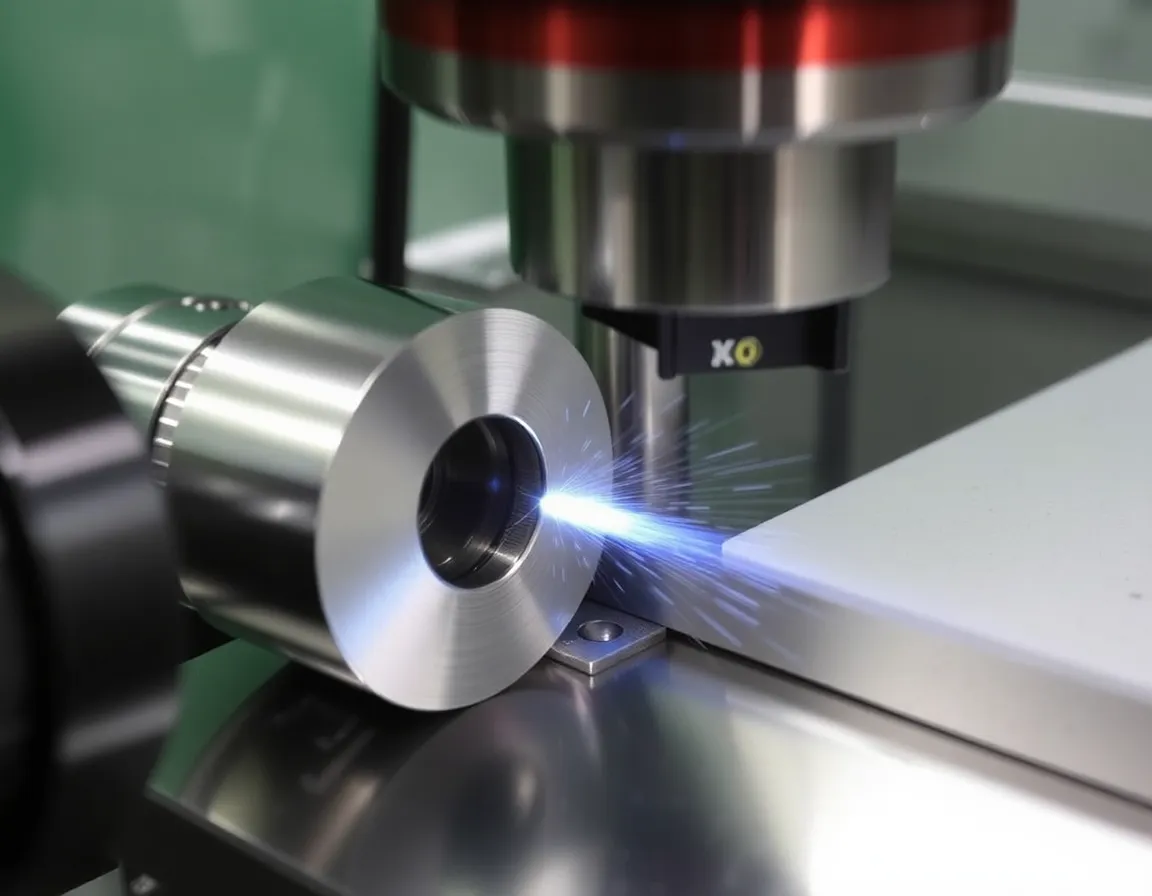
Introduction: The Unparalleled World of MIC 6 Aluminum Plate
In the realm of precision machining, where tolerances are measured in thousandths of an inch and surface finish is paramount, the choice of material is not just a detail—it is the foundation of success. Among the pantheon of engineering alloys, one name stands out for its unique combination of stability, machinability, and flatness: MIC 6 aluminum plate. This cast aluminum tooling plate is not your standard mill-run aluminum; it is a purpose-engineered material designed to solve the specific challenges faced by machinists, fabricators, and engineers. Mastering its intricacies unlocks the potential for creating flawless parts, from complex aerospace components to the platen of a high-end 3D printer. This article delves into the secrets of precision machining MIC 6, offering a comprehensive guide to harnessing its full potential.
What is MIC 6 Aluminum? Decoding the Specification
MIC 6 is a proprietary aluminum alloy, typically conforming to ASTM B-841, Class 1, and is often associated with the 7000-series (though its exact composition is a trade secret). Its defining characteristic is its stress-relieved, cast microstructure. Unlike rolled plate, which can have internal stresses leading to warping after machining, MIC 6 is cast to size and then stress-relieved through a specialized annealing process. This results in a material with exceptionally low internal stress.
Key Characteristics of MIC 6 Plate
The unique manufacturing process imparts several critical properties:
- Superior Flatness: MIC 6 is renowned for its exceptional as-cast flatness, often held to tight tolerances (e.g., .005" per foot). This eliminates the need for extensive pre-machining to create a flat reference surface.
- Minimal Internal Stress: The stress-relief process means the material is far less likely to distort, warp, or move during or after machining, ensuring dimensional stability in the finished part.
- Fine, Uniform Grain Structure: The cast grain structure is fine and consistent, which contributes to excellent machinability, yielding smooth surface finishes and reduced tool wear compared to other cast aluminums.
- No Mill Scale or Inclusions: The casting process produces a clean, homogeneous plate free from the rolled-in scale or impurities sometimes found in wrought plate.
The Machining Advantage: Best Practices and Secrets
While MIC 6 is known for being machinist-friendly, true mastery requires understanding its specific nuances. Adhering to these best practices will ensure optimal results, extended tool life, and flawless parts.
Tooling Selection and Geometry
Using the correct tools is non-negotiable. For MIC 6, carbide end mills are highly recommended for their hardness and heat resistance.
- End Mills: Use sharp, 3-flute carbide end mills for an ideal balance of chip evacuation and finish in aluminum. For roughing, variable helix designs help reduce vibration.
- Drills: Standard high-speed steel (HSS) or carbide drills work well. Ensure they are sharp; a 118° to 135° point angle is standard. Peck drilling can help with deep holes.
- Inserts & Geometry: For face milling, use polished, sharp positive-rake inserts designed for non-ferrous metals. This reduces cutting forces and heat buildup.
Feeds, Speeds, and Coolant Strategy
MIC 6 machines beautifully with aggressive parameters, but precision demands control.
Speeds & Feeds: You can typically run at high surface speeds (SFM). A good starting point is 800-1200 SFM for carbide tools. Feed rates should be aggressive enough to prevent rubbing and work-harding but controlled for finish. Always consult tooling manufacturer recommendations as a baseline. The secret here is to maintain a consistent chip load; thin, hot chips can lead to built-up edge on the tool.
Coolant is Critical: Always use a flood coolant. Its primary jobs are to evacuate chips from the cut, cool the workpiece and tool, and prevent aluminum from adhering to the cutting edges. A well-maintained coolant system with proper filtration is essential for achieving mirror-like surface finishes and holding tight tolerances.
Workholding and Stress Management
Even though MIC 6 is stress-relieved, improper workholding can induce new stresses.
- Use Even Clamping Pressure: Distribute clamping force evenly across the workpiece to avoid distorting the plate during machining. Strategic use of toe clamps or vises with soft jaws machined to fit the part profile is ideal.
- Sequential Machining: For parts requiring significant material removal, employ a balanced approach. Machine features symmetrically when possible, and avoid leaving thin walls or deep pockets until the final operations to maintain rigidity.
- Final Pass Strategy: Always leave a consistent, light finishing pass (e.g., .010" or less) on critical surfaces. This ensures the final cut removes any material that may have slightly distorted from earlier, heavier cuts.
Applications: Where MIC 6 Plate Excels
The unique properties of MIC 6 make it the material of choice for a wide array of demanding applications across industries. Its use is a hallmark of a design that prioritizes precision and stability.
Precision Tooling and Fixturing
This is the classic application. MIC 6's inherent flatness and stability make it perfect for machine tool fixture plates, welding platens, inspection tables, and assembly jigs. These tools must remain dimensionally stable over time and under load, which MIC 6 guarantees.
Aerospace and Defense Components
In industries where weight, strength, and reliability are critical, MIC 6 is used for mounting plates, chassis components, and avionics enclosures. Its ability to be machined to complex geometries with tight tolerances is invaluable.
Semiconductor and Vacuum Chambers
The clean, homogeneous structure of MIC 6 is ideal for vacuum environments, as it minimizes outgassing. It is commonly machined into wafer handling components, chamber walls, and baseplates for semiconductor manufacturing equipment.
Food, Pharmaceutical, and Packaging Machinery
Its non-porous surface, when properly finished, is easy to clean and resists bacterial growth. MIC 6 is used for conveyor side plates, machine frames, and product contact surfaces in these hygienic industries.
High-End Additive Manufacturing
The build plates (platens) for industrial SLA and SLS 3D printers are often made from MIC 6. Its flatness ensures the first layer adheres correctly, and its thermal stability is crucial for consistent heating and part accuracy.
Conclusion: Elevating Your Craft with MIC 6
Mastering MIC 6 aluminum plate is more than just learning a set of machining parameters; it is about embracing a material engineered for precision. By understanding its stress-relieved nature, respecting its need for proper tooling and coolant, and applying disciplined machining practices, you transform a high-quality plate into an exceptional component. The benefits—dimensional stability, superb finish, and predictable behavior—directly translate to reduced scrap, less rework, and superior end products. In a competitive landscape where precision is the ultimate currency, proficiency with MIC 6 is not just a skill; it is a significant strategic advantage for any machinist, engineer, or fabricator committed to the highest standards of quality.