The Critical Role of Precision Machining in Modern Medical Enclosures
In the high-stakes world of medical technology, where device reliability can be a matter of life and death, the enclosures that house sensitive electronics and mechanisms are far more than simple boxes. They are the first line of defense against contamination, physical impact, and environmental interference. Precision machining for medical enclosures is the specialized manufacturing discipline dedicated to creating these vital components with the exacting standards demanded by the healthcare industry. This process involves the use of computer-controlled (CNC) mills, lathes, and other advanced machinery to subtractively shape raw materials into complex, high-tolerance parts. From portable diagnostic devices to sophisticated surgical robots, machined enclosures ensure integrity, functionality, and safety.
How Precision Machining Works for Medical Enclosures
The journey from a design file to a finished medical enclosure is a meticulous process governed by stringent protocols. It begins long before the first tool touches the material.
Design for Manufacturability (DFM) and Material Selection
Collaboration between the medical device OEM and the machining partner is crucial at the design stage. Engineers perform DFM analysis to optimize the part for machining, ensuring structural integrity, simplifying assembly, and reducing cost without compromising function. Material selection is equally critical. Common choices include:
- Medical-Grade Stainless Steels (e.g., 304, 316L): Prized for exceptional corrosion resistance, sterilizability, and strength. Ideal for surgical tools and implants, but also for enclosures requiring high durability.
- Aluminum Alloys (e.g., 6061-T6, 5052): Offer an excellent strength-to-weight ratio, good machinability, and natural EMI/RFI shielding. Often used for handheld devices, monitor housings, and internal chassis.
- Engineering Plastics (e.g., PEEK, Ultem, PC-ABS): Provide electrical insulation, chemical resistance, and are lightweight. Perfect for insulating components, disposable device enclosures, or parts requiring radiolucency.
- Titanium: Used for specialized applications where maximum strength, biocompatibility, and corrosion resistance are paramount, often in implantable device housings.
The Machining Process and Secondary Operations
Once the design and material are finalized, CNC programming translates 3D models into toolpaths. Multi-axis CNC machining centers then precisely cut the enclosure components from solid blocks or billet, ensuring unmatched dimensional accuracy and repeatability. Key features like intricate ports, connector cutouts, ventilation slots, and internal mounting bosses are created in a single setup where possible to maintain alignment. After primary machining, a suite of secondary operations adds functionality and finish:
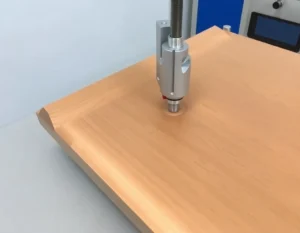
- Deburring and Edge Radiusing: All sharp edges are meticulously removed to ensure safety for handlers and patients and to prevent stress concentrations.
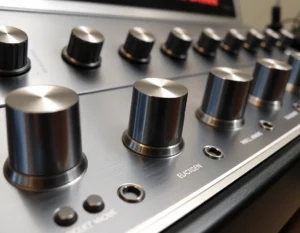
- Surface Finishing: Processes like bead blasting, polishing, anodizing (for aluminum), or passivation (for stainless steel) enhance appearance, improve corrosion resistance, and facilitate cleaning.
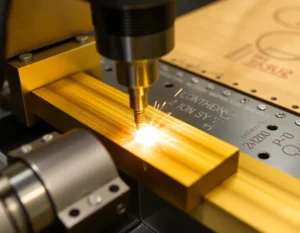
- Engraving and Marking: Permanent labels, logos, serial numbers, and regulatory symbols (like CE marks) are added via laser engraving or chemical etching for traceability.
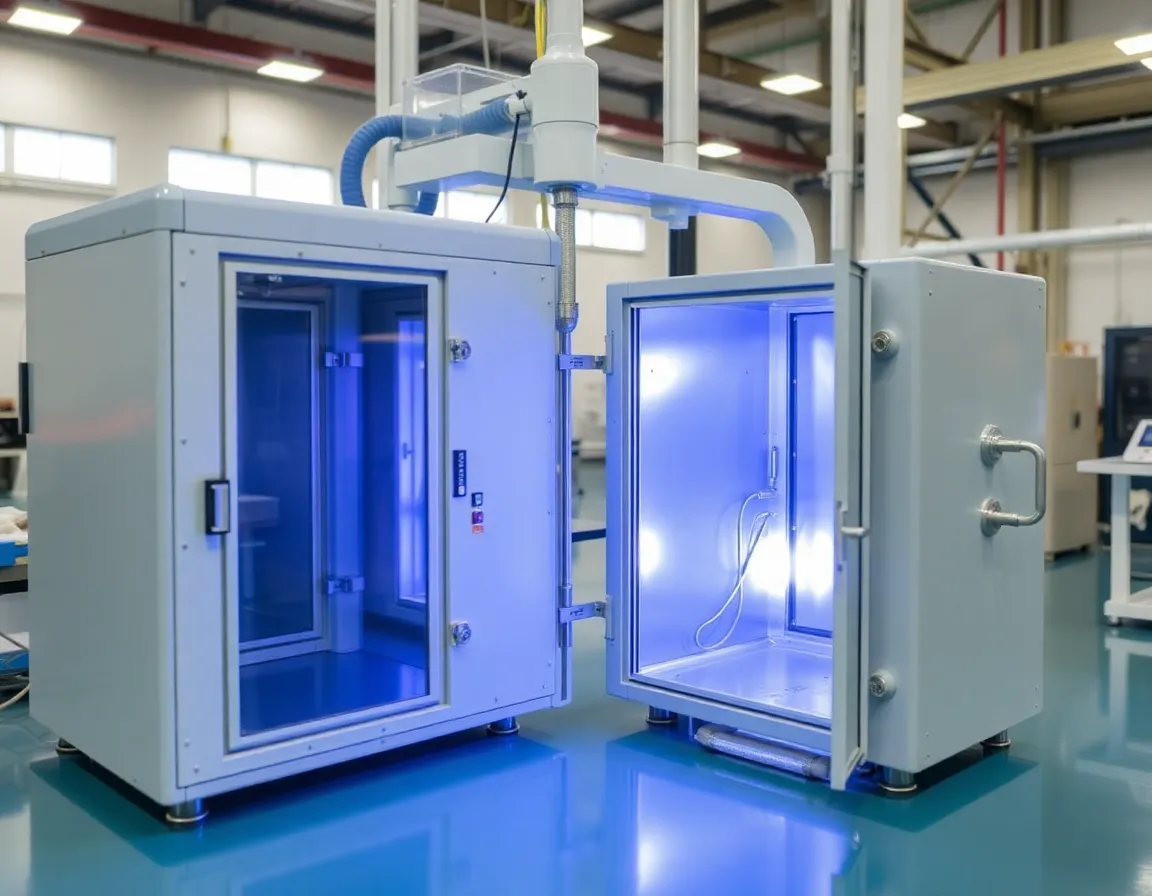
- Cleanroom Assembly: Enclosures are often assembled in controlled cleanroom environments to prevent particulate or biological contamination before the sensitive internal components are installed.
Benefits and Applications of Machined Medical Enclosures
The advantages of precision machining make it the preferred method for a vast range of critical medical applications.
Unparalleled Benefits
Extreme Precision and Tight Tolerances: CNC machining can hold tolerances within ±0.001 inches or tighter, ensuring perfect fit for seals, connectors, and internal components, which is vital for waterproofing and EMI shielding.
Material Integrity and Strength: Unlike molding or forming, machining from solid billet yields enclosures with homogeneous material properties, no weak points from welds, and superior structural strength.
Rapid Prototyping and Scalability: The same digital file can be used to produce a single functional prototype for testing and then seamlessly scale to full production, accelerating time-to-market.
Regulatory Compliance: Machining facilitates the detailed documentation and validation of processes (a key requirement of ISO 13485 and FDA QSR), ensuring every part is traceable and manufactured under controlled conditions.
Design Flexibility: Complex geometries, undercuts, and intricate internal channels for cooling or fluid management are possible without the cost of complex molds.
Diverse Medical Applications
Machined enclosures are found throughout healthcare:
- Diagnostic & Imaging Equipment: Housings for portable ultrasound units, blood analyzers, and MRI/CT scanner components require precise shielding and robust construction.
- Patient Monitoring Devices: Enclosures for bedside monitors, wearable heart rate monitors, and pulse oximeters must be durable, ergonomic, and easy to clean.
- Surgical & Robotic Systems: The structural frames and protective covers for robotic surgical arms demand absolute precision, rigidity, and often sterilizability.
- Life Support & Therapeutic Devices: Ventilators, infusion pumps, and dialysis machines rely on machined enclosures to protect their critical life-sustaining mechanisms.
- Laboratory and Sterilization Equipment: Autoclave components and DNA sequencer housings must withstand harsh chemicals, high temperatures, and repeated sterilization cycles.
Best Practices and Considerations for Success
To ensure a successful medical enclosure project, adhering to industry best practices is non-negotiable.
Partnering with a Qualified Machine Shop
Select a machining partner with proven experience in the medical sector. Essential qualifications include ISO 13485:2016 certification, which specifies requirements for a quality management system in medical device manufacturing. The shop should have a robust quality control lab (with CMMs, optical comparators, etc.) and a commitment to full documentation and lot traceability.
Designing for Cleanability and Sterilization
Enclosure design must account for its sterilization method (autoclave, gamma radiation, ETO gas, chemical wipe). This influences material choice, seal design, and the avoidance of fluid traps. Surfaces should be smooth, with radiused corners to prevent bioburden accumulation.
Ensuring Regulatory Compliance from the Start
Regulatory pathways (FDA 510(k), PMA) must be considered during design. The machinist must provide a detailed Device History Record (DHR) and support validation activities for machining and cleaning processes. Proper biocompatibility documentation (like USP Class VI or ISO 10993 testing) for materials is essential for devices contacting patients.
Planning for Integration and Assembly
The enclosure design must facilitate easy and error-proof assembly of PCBs, displays, and mechanical systems. Consideration for fastener access, cable routing, and thermal management (through designed heat sinks or ventilation) is crucial during the machining design phase to avoid costly redesigns later.
In conclusion, precision machining is the backbone of manufacturing for high-reliability medical enclosures. It transforms advanced engineering materials into protective shells that meet the trifecta of medical device demands: absolute precision, unwavering reliability, and strict regulatory compliance. As medical technology continues to advance toward miniaturization, connectivity, and point-of-care use, the role of the machined enclosure will only grow in importance, requiring ever-closer collaboration between innovative device designers and highly specialized manufacturing experts to create the life-saving and life-enhancing tools of tomorrow.