The Unseen Interface: Where Your Fingers Meet the Machine
In an age of touchscreens and capacitive buttons, there remains an undeniable, almost primal satisfaction in the physical act of turning a knob. It’s a direct, tactile conversation between user and device. But not all knobs are created equal. The transition from a wobbly, plastic potentiometer cover to a solid, precision machined volume knob is not merely an upgrade—it’s a revelation. It transforms a mundane control into an instrument of interaction, communicating quality, durability, and intentionality before a single note is played or a parameter is adjusted. This article delves into the world of machined knobs, exploring the craftsmanship, benefits, and profound impact these small components have on our experience with technology.
Beyond Molding: The Art and Science of Precision Machining
To understand the allure of a machined knob, one must first understand how it is made. Unlike injection-molded plastic knobs, which are formed by forcing molten material into a cavity, precision machined knobs are carved from solid blocks of material, known as "blanks" or "billets." This subtractive manufacturing process, typically using Computer Numerical Control (CNC) lathes and mills, is where art meets engineering.
The CNC Machining Process
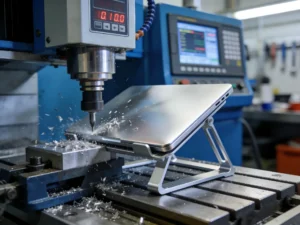
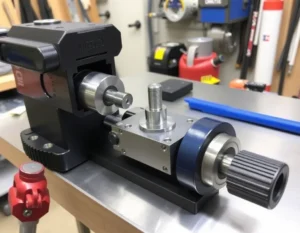
A CNC machine follows a digitally programmed toolpath to cut away material with astonishing accuracy. For a volume knob, the process might start with a cylindrical bar of aluminum, brass, or stainless steel. As the blank rotates at high speed, cutting tools meticulously shape the outer diameter, create the distinctive grip (knurling, fluting, or smooth contour), bore the central shaft hole, and add any decorative details or indicator lines. This method allows for incredible complexity and consistency that molding cannot achieve.
Materials That Matter
The choice of material is fundamental to the knob's character:
- Aluminum (6061-T6, 7075): The most popular choice, offering an excellent strength-to-weight ratio. It can be anodized in virtually any color, providing both corrosion resistance and aesthetic versatility.
- Brass: Offers superior density and a luxurious heft. Its natural gold-like appearance can be left raw for a vintage look or plated for durability. The weight provides a uniquely damped, smooth inertia when turned.
- Stainless Steel: The pinnacle of durability and weight. Machined stainless steel knobs are virtually indestructible and offer a cool, substantial feel that screams premium quality.
- Exotic Alloys & Composites: For ultra-high-end applications, materials like titanium or carbon fiber-infused polymers can be machined, offering unique textures and performance characteristics.
Feeling the Difference: The Tangible Benefits
The advantages of a precision machined knob extend far beyond simple aesthetics. They engage the senses and enhance the functionality of the device they control.
Unmatched Tactile Feedback
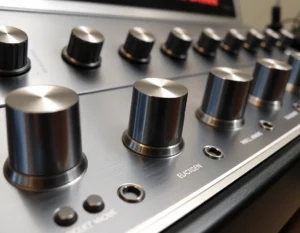
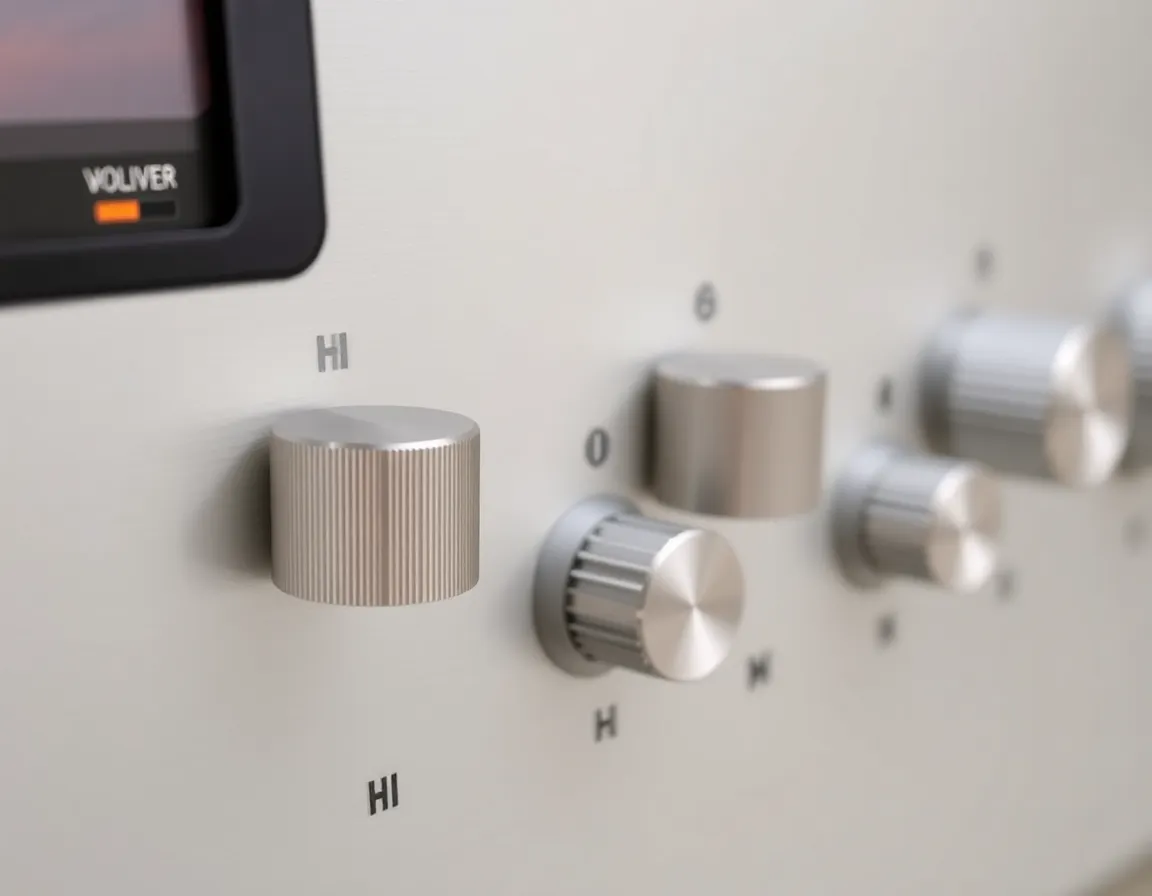
This is the core of the experience. The precise fit on the shaft eliminates any play or wiggle. The carefully engineered knurling—whether diamond, straight, or custom pattern—provides positive grip. The mass of the metal creates a satisfying inertia, making adjustments feel deliberate and smooth, not cheap and scratchy. This tactile precision allows for finer control, whether you’re making a subtle mix adjustment or dialing in a guitar tone.
Durability and Longevity
Machined metal knobs are built to last a lifetime. They resist cracking, chipping, and wear that plague plastic counterparts. Their finishes, like Type II or III hard anodizing for aluminum, are incredibly resistant to scratches, UV fading, and corrosion from sweat or environmental factors. They maintain their appearance and function through years of daily use.
Thermal and Electrical Properties
Metal knobs act as heat sinks, dissipating warmth from internal components—a small but valuable benefit in tightly packed audio gear or amplifiers. They can also be designed for grounding purposes or to provide shielding in sensitive electronic applications.
Aesthetic and Brand Statement
A machined knob is a statement of intent. It communicates that the manufacturer cared about every detail of the product. The visual appeal—from a brushed satin finish to a mirror polish, from a vibrant anodized color to a subtle bead-blasted texture—elevates the entire device. It creates a cohesive, premium look that plastic simply cannot replicate.
Applications: Where Precision Makes Perfect
While applicable anywhere a rotary control is needed, machined knobs find their most appreciative audiences in fields where performance, feel, and reliability are paramount.
High-Fidelity Audio and Pro Studio Gear
This is the spiritual home of the quality machined knob. On tube amplifiers, DACs, preamps, and mixing consoles, the knob is the primary interface. Its weight and smoothness match the precision of the audio circuitry it controls, completing the sensory experience of high-end sound.
Musical Instruments and Guitar Pedals
For guitarists and musicians, knobs are an extension of their instrument. On custom guitars, boutique effects pedals, and synthesizers, a machined knob provides reliable, repeatable adjustments during performance. The tactile feedback is crucial for making quick, accurate changes by feel alone.
Industrial Controls and Test Equipment
In laboratories, workshops, and control panels, equipment must withstand harsh environments and constant use. Machined knobs offer the durability, precise calibration markings, and ergonomic grip needed for accurate, repeatable adjustments in professional settings.
Automotive and Aerospace Interiors
In premium automotive interiors or aircraft cockpits, controls must inspire confidence and withstand decades of use. Machined knobs for climate control, audio systems, or instrument panels provide the necessary heft, cool touch, and flawless operation.
Custom PC Builds and Enthusiast Electronics
The DIY and modding community has embraced machined knobs for custom keyboards, computer case controls, and home automation panels, adding a bespoke, professional touch to personal tech projects.
Selecting and Specifying the Perfect Knob
Choosing the right machined knob involves more than just picking a shape you like. Several technical and aesthetic factors must align.
Key Specifications
- Shaft Diameter and Type: Must match the potentiometer or encoder (e.g., 6mm knurled, 1/4" smooth, D-shaft). A perfect fit is critical to eliminate play.
- Set Screw vs. Press Fit: Set screws (usually hex or flat-head) allow for secure attachment and easy removal. Press-fit knobs are permanently installed for a cleaner look.
- Knurling Pattern and Grip: Consider the application—fine knurl for delicate adjustments, aggressive knurl for gloves or quick, gross movements.
- Indicator Style: A simple line, a pointer, or an engraved dot? The indicator must be clear and precise for accurate setting.
- Finish and Color: Ensure the finish is durable enough for the application (e.g., hard-anodized for studio use) and matches the device's aesthetic.
The Customization Advantage
One of the greatest strengths of CNC machining is the ease of customization. Manufacturers can create knobs with unique diameters, heights, profiles, and engravings. This allows brands to develop signature control elements that become part of their identity, from a distinctive grip pattern to a logo engraved on the top.
Conclusion: An Investment in Experience
A precision machined volume knob is more than a component; it is the physical embodiment of quality in a product. It represents a rejection of the disposable and a commitment to the tangible. In a world increasingly dominated by abstract digital interactions, it reaffirms the joy of a perfectly executed mechanical interface. The cool, substantial feel, the precise, silent rotation, the flawless finish—these are details that the hand notices and the brain interprets as excellence. Whether you are a designer specifying parts for a new product, a musician tweaking your tone, or an audiophile savoring a listening session, to turn a precision machined knob is to feel the quality in the most literal sense. It is a small luxury that forever changes your expectation of how a device should interact with its user.