Introduction: The Unseen Backbone of Modern Machinery
In the intricate world of mechanical engineering and manufacturing, few components are as fundamental yet as critical as the shaft. While often hidden from view, shafts are the essential elements that transmit power, support rotating assemblies, and ensure the precise motion of countless machines. However, not all shafts are created equal. For applications demanding reliability, efficiency, and longevity, precision machined shafts are the undisputed choice. This buyer's guide is designed to navigate the complexities of specifying and procuring these vital components, ensuring you make an informed decision that aligns with your technical requirements and budgetary constraints.
What Are Precision Machined Shafts?
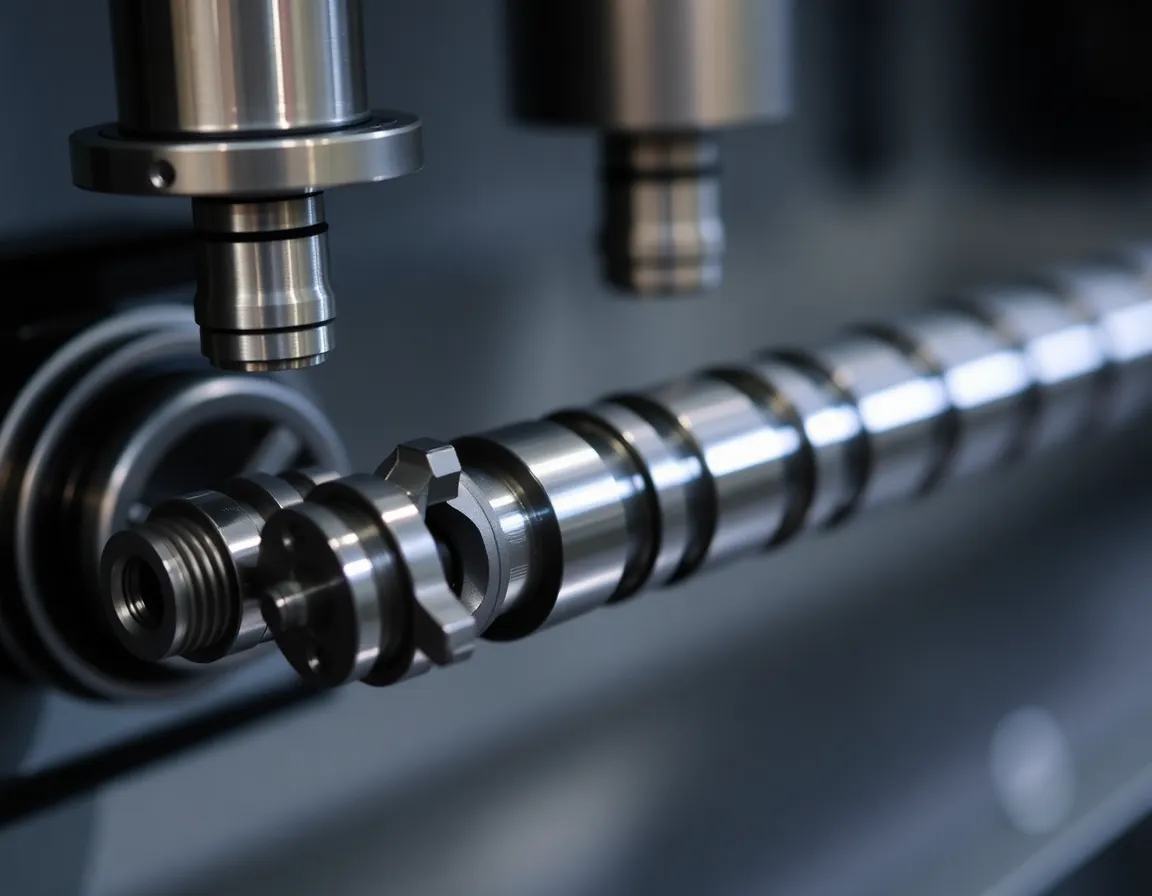
At its core, a shaft is a rotating or stationary component, typically cylindrical, designed to transmit torque or motion. A precision machined shaft elevates this basic concept through advanced manufacturing processes. It is a shaft produced to exceptionally tight dimensional tolerances, superior surface finishes, and exact geometric specifications using computer-controlled machine tools like CNC lathes, grinders, and mill-turn centers.
Key Characteristics of Precision Shafts
Unlike standard off-the-shelf shafts, precision shafts are defined by several key attributes:
- Extreme Dimensional Accuracy: Tolerances can be held within microns (µm) or ten-thousandths of an inch, ensuring perfect fit with bearings, gears, and couplings.
- Exceptional Surface Finish: A smooth, consistent surface finish (often measured in microinches or Ra values) reduces friction, wear, and the risk of stress concentrations.
- Superior Geometric Control: Critical features like straightness, concentricity, cylindricity, and runout are meticulously controlled to prevent vibration and ensure smooth operation.
- Material Integrity: Made from high-grade materials with known properties, often heat-treated for enhanced strength, hardness, or wear resistance.
The Manufacturing Process: How Precision is Achieved
Understanding the manufacturing journey of a precision shaft is key to appreciating its value. The process typically involves multiple stages, each adding a layer of accuracy.
1. Design and Material Selection
It begins with a detailed CAD model and specification sheet. Material choice is paramount and depends on the application's load, speed, environment, and required hardness. Common materials include:
- Alloy Steels (e.g., 4140, 4340): For high strength, toughness, and responsiveness to heat treatment.
- Stainless Steels (e.g., 303, 304, 316, 17-4 PH): For corrosion resistance and food/medical applications.
- Tool Steels: For extreme wear resistance in demanding conditions.
- Aluminum: For lightweight applications where high strength-to-weight ratio is crucial.
- Exotic Alloys: Such as Inconel or Titanium for high-temperature or highly corrosive environments.
2. CNC Machining and Turning
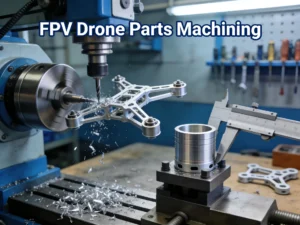
The raw material (bar stock or forging) is mounted on a CNC lathe or mill-turn machine. This stage removes the bulk of the material to create the shaft's basic geometry, diameters, and key features like shoulders, grooves, and tapers. CNC technology ensures repeatability and adherence to the digital blueprint.
3. Grinding and Finishing Operations
For the highest levels of precision, shafts often undergo cylindrical grinding. This process uses a rotating abrasive wheel to achieve the final dimensions, ultra-tight tolerances, and mirror-like surface finishes. Additional operations may include:
- Heat Treatment: Processes like quenching and tempering, induction hardening, or nitriding to enhance material properties.
- Surface Treatments: Plating (chrome, nickel), black oxide coating, or specialized coatings like TiN for reduced friction.
- Special Features: Adding keyways, splines, threads, or holes via milling, broaching, or drilling.
4. Rigorous Quality Assurance
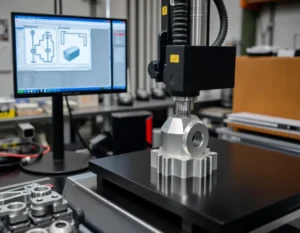
Every precision shaft must pass stringent inspection. This involves using advanced metrology equipment like Coordinate Measuring Machines (CMM), optical comparators, and surface profilometers to verify every specified dimension, geometry, and finish parameter against the original design.
Applications and Industries: Where Precision is Non-Negotiable
Precision machined shafts are the lifeblood of industries where failure is not an option. Their applications are vast and varied:
- Aerospace & Defense: Landing gear components, turbine engine shafts, actuator systems, and missile guidance systems where reliability under extreme stress is critical.
- Medical & Surgical Devices: High-speed drill and saw shafts, robotic surgery arm joints, and imaging equipment (MRI, CT scanners) requiring flawless, sterile, and vibration-free operation.
- Automotive & Racing: High-performance transmission shafts, turbocharger spindles, fuel injection components, and electric vehicle motor shafts demanding efficiency and durability.
- Industrial Machinery & Robotics: Drive shafts for CNC machines, robot arm axles, printing press rollers, and packaging equipment where precision motion directly impacts product quality.
- Semiconductor Manufacturing: Wafer handling robots and stages where microscopic precision and contamination control are paramount.
A Buyer's Guide: Key Considerations for Your Purchase
Selecting the right supplier and specifying your shaft correctly is a multi-faceted process. Here are the critical factors to consider.
1. Defining Your Specifications (The RFQ)
A clear, comprehensive Request for Quotation (RFQ) is the first step. It must include:
- Detailed Engineering Drawings: With all critical dimensions, tolerances (GD&T preferred), and surface finish callouts.
- Material Specification: Grade, condition, and any required certifications (e.g., mill certs).
- Heat Treatment & Hardness: Process type and target hardness (Rockwell scale) at specific locations.
- Secondary Operations: Coatings, plating, balancing, or special packaging requirements.
- Quality & Inspection Requirements: Specify which dimensions require First Article Inspection (FAI) reports, CMM data, or material certs.
2. Evaluating Potential Suppliers
Look beyond price. The cheapest option can be costly in terms of downtime and part failure.
- Technical Expertise & Experience: Can they consult on design for manufacturability (DFM)? Do they have experience in your industry?
- Manufacturing Capabilities: Do they have the right CNC, grinding, and heat treatment equipment in-house? In-house control reduces lead times and quality risks.
- Quality Management System: Are they ISO 9001 or AS9100 certified? This indicates a structured, process-driven approach to quality.
- Metrology & Inspection Capacity: A supplier with advanced inspection tools can prove part conformity, not just assume it.
- Prototype & Volume Production Support: Can they handle both low-volume prototyping and scale up to full production runs?
3. Cost Drivers and Value Analysis
Understand what influences the price of a precision shaft:
- Material Cost: Exotic alloys are significantly more expensive than standard steels.
- Tolerances & Finishes: Tighter tolerances and finer finishes exponentially increase machining time, skill required, and inspection rigor.
- Geometric Complexity: Multiple diameters, deep grooves, intricate splines, and off-center features add to programming and machining time.
- Quantity: Unit cost decreases with higher volumes due to amortized setup and programming costs.
- Lead Time: Expedited services often carry a premium.
Always perform a Total Cost of Ownership (TCO) analysis. A slightly more expensive shaft from a reputable supplier that lasts longer, reduces machine downtime, and improves end-product quality offers far greater value.
4. Best Practices for a Successful Partnership
- Engage Early: Involve your chosen supplier during the design phase for DFM insights that can reduce cost and improve performance.
- Request First Article Inspection (FAI): Always validate the first part off the production line against all specifications before approving full production.
- Establish Clear Communication: Designate points of contact and agree on update schedules for production and quality reporting.
- Consider Long-Term Agreements: For ongoing needs, a long-term agreement can secure pricing, capacity, and prioritize your orders.
Conclusion: Investing in Rotational Integrity
Precision machined shafts are far more than simple metal rods; they are engineered components that form the rotational heart of advanced machinery. The decision to invest in true precision is an investment in the reliability, efficiency, and performance of your entire system. By thoroughly understanding your application requirements, meticulously defining your specifications, and carefully selecting a manufacturing partner with the right expertise and capabilities, you secure not just a component, but a foundation for operational success. In the high-stakes world of modern manufacturing, the precision of your shafts ultimately defines the precision of your product.