In the intricate world of custom mechanical keyboards, every component is a variable in the equation of feel, sound, and aesthetics. While switches and keycaps often steal the spotlight, the keyboard plate—or mounting plate—is the unsung hero that defines the very foundation of your typing experience. Among the various materials and manufacturing methods, machined keyboard plates represent the pinnacle of precision and customization. This guide delves deep into the world of machined plates, exploring their creation, characteristics, and why they might be the final piece in your perfect keyboard build.
What is a Machined Keyboard Plate?
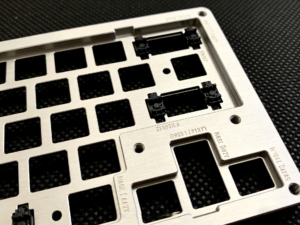
A keyboard plate is a rigid layer that sits between the keycaps/switches and the printed circuit board (PCB). Its primary functions are to hold switches firmly in place and provide structural integrity to the entire assembly. A machined plate is one that has been manufactured using computer-controlled (CNC) machining processes, typically from a solid block or sheet of material. Unlike stamped steel or laser-cut plates, machining involves subtractive manufacturing—material is precisely carved away by cutting tools to create the final product with exceptional accuracy and intricate detail.
This process allows for unparalleled flexibility in design, enabling features that are impossible with other methods, such as complex multi-level designs, integrated weight systems, and perfectly smooth, finished edges. The result is a component that is as much a work of engineering art as it is a functional part.
The Machining Process and Materials
Understanding how machined plates are made is key to appreciating their value and cost. The journey from raw material to finished plate is a meticulous one.
CNC Machining Explained
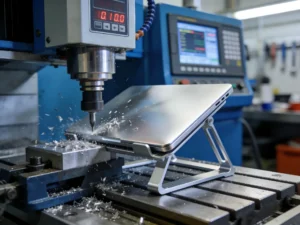
CNC (Computer Numerical Control) machining uses pre-programmed computer software to dictate the movement of factory tools and machinery. For a keyboard plate, a designer creates a detailed digital model (CAD file). This file is then translated into instructions (G-code) that command the CNC machine to cut, drill, and mill the material with tolerances often within thousandths of an inch. This extreme precision ensures every switch cutout is perfectly aligned, and the plate fits flawlessly into the keyboard case.
Common Materials for Machined Plates
The choice of material profoundly impacts the keyboard's acoustic profile, flex, and weight. Machining makes a wide array of materials accessible:
- Aluminum: The most popular choice. It offers a great balance of stiffness, weight, and cost. Different alloys (like 6061 or 5052) provide slight variations in hardness and sound, typically yielding a crisp, clacky tone with a firm feel.
- Brass: Known for its density and premium heft. Brass plates are very stiff and produce a distinctly higher-pitched, brighter, and more resonant sound. They add significant weight to a build and develop a patina over time.
- Stainless Steel: Exceptionally strong and stiff, often thinner than aluminum plates but just as rigid. It produces a sharp, loud, and clear acoustic signature and is highly durable.
- Copper: Similar to brass in its weight and premium feel, but with unique thermal and aesthetic properties. It has a softer acoustic signature—deeper and more muted than brass—and will also oxidize, giving it a living finish.
- Exotic Metals: Titanium or carbon fiber composites are sometimes machined for ultra-high-end projects, offering unique stiffness-to-weight ratios and acoustic profiles.
Benefits and Characteristics of Machined Plates
Why choose a machined plate over a simpler, cheaper alternative? The advantages are multi-faceted, affecting every aspect of the keyboard's performance.
Unmatched Precision and Consistency
CNC machining guarantees that every unit is identical to the digital model. Switch cutouts are perfectly sized to provide a snug, consistent fit for every switch, eliminating the wobble or variance that can occur with less precise manufacturing. This precision extends to the mounting holes, ensuring perfect alignment with the PCB and case.
Superior Acoustic and Tactile Properties
The material and rigidity of the plate are primary drivers of a keyboard's sound and feel. A stiff, machined metal plate like brass or steel creates a solid foundation that translates switch vibrations into a clearer, more consistent, and often louder sound. It also minimizes flex, leading to a more uniform and direct bottom-out sensation, which many typists prefer for a "solid" feel.
Enhanced Aesthetics and Customization
Machining allows for beautiful finishing options. Plates can be anodized (for aluminum) in a vast spectrum of colors, bead-blasted for a matte texture, or polished to a mirror shine. The edges can be chamfered or rounded with high precision, creating a refined look that is visible through side-profile cases. Furthermore, designers can incorporate text, logos, or intricate patterns directly into the plate.
Structural Integrity and Durability
Made from a solid piece of metal, a machined plate is incredibly durable and will last a lifetime. It acts as a structural backbone, preventing PCB flex and protecting the internal components. This robustness is a key reason why machined plates are the standard in high-end custom keyboard kits.
Applications and Best Practices
Integrating a machined plate into your build requires some consideration to maximize its benefits.
Plate Mounting Styles
The plate does not exist in isolation; it is part of a keyboard's mounting system, which dictates how the plate, PCB, and case interact. The plate material interacts with these styles in crucial ways:
- Tray Mount: The plate is screwed directly into the case. A stiff machined plate works well here, providing a firm typing feel.
- Top Mount: The plate is mounted to the top inner edges of the case. This allows for more controlled flex and can benefit from the precise tolerances of a machined plate for even mounting.
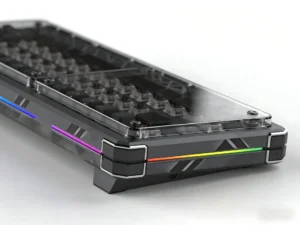
- Gasket Mount: The plate is suspended between case halves using soft gaskets, isolating it to reduce vibration and create a softer, bouncier feel. Here, the choice of plate material is critical; a more flexible material like polycarbonate is often used, but a thin, machined aluminum plate can be used in a gasket mount to provide a unique blend of flex and metallic acoustic properties.
- Integrated Plate: The plate is part of the case itself, machined from a single block. This offers the ultimate in stiffness and acoustic consistency, creating a distinct, resonant sound chamber.
Choosing the Right Plate for Your Build
Selecting a machined plate involves balancing your priorities:
- For a Firm, Loud, and Crisp Sound: Choose brass or stainless steel.
- For a Balanced, Classic Feel with More Flex Options: Choose aluminum (thicker for stiffness, thinner for slight flex).
- For a Deep, Muted, and Heavy Build: Choose copper.
- For Aesthetic Matching: Select a finish and color that complements your keycaps and case.
Always ensure compatibility. The plate layout (e.g., ANSI, ISO), mounting hole positions, and switch cutout style (e.g., universal vs. fixed layout) must exactly match your PCB and case. This is where the precision of a machined plate becomes a practical necessity.
Installation and Maintenance Tips
When installing switches into a machined metal plate, be cautious. The tight tolerances can make initial insertion firm. Using a switch opener or carefully aligning the pins is recommended to avoid bending. For maintenance, a can of compressed air can remove dust. For brass or copper, if you wish to preserve the shiny finish, a metal polish can be used occasionally, though many enthusiasts cherish the natural patina that develops.
Conclusion: The Foundation of a Refined Build
A machined keyboard plate is far more than just a piece of metal with holes in it. It is a critical interface that shapes the tactile response, defines the acoustic character, and contributes to the visual and structural integrity of a custom mechanical keyboard. While it represents a more significant investment than other plate types, the benefits in precision, quality, and customization potential are tangible. For the enthusiast seeking to perfect every variable of their typing experience, selecting the right machined plate is a decisive step in transforming a collection of parts into a cohesive, high-performance instrument. In the symphony of a keystroke, the plate is the stage—and a machined plate ensures that stage is perfectly set.