The Critical Link: Why Machining Defines Modern EV Connectors
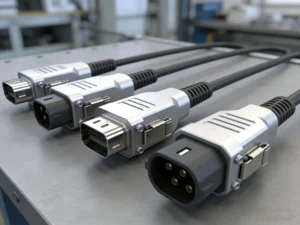
The electric vehicle revolution hinges on a simple, yet profound act: the transfer of energy from the grid to the vehicle's battery. At the heart of this process lies the electrical connector—a component so vital that its quality directly impacts charging speed, safety, and user experience. While many connectors are formed or molded, the most demanding applications in the EV industry are increasingly turning to precision machined EV connectors. These are not mere pieces of metal; they are meticulously engineered components, crafted through subtractive manufacturing processes like CNC (Computer Numerical Control) machining from solid blocks of high-performance alloys. This article delves into how precision machining elevates EV connectors, delivering the unparalleled durability and performance required for the future of transportation.
What Are Precision Machined EV Connectors?
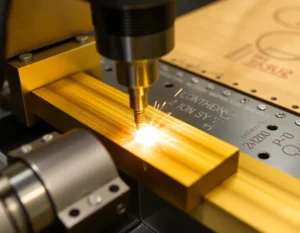
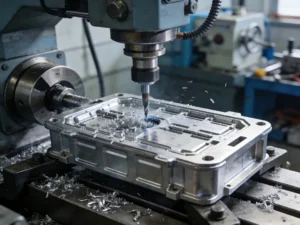
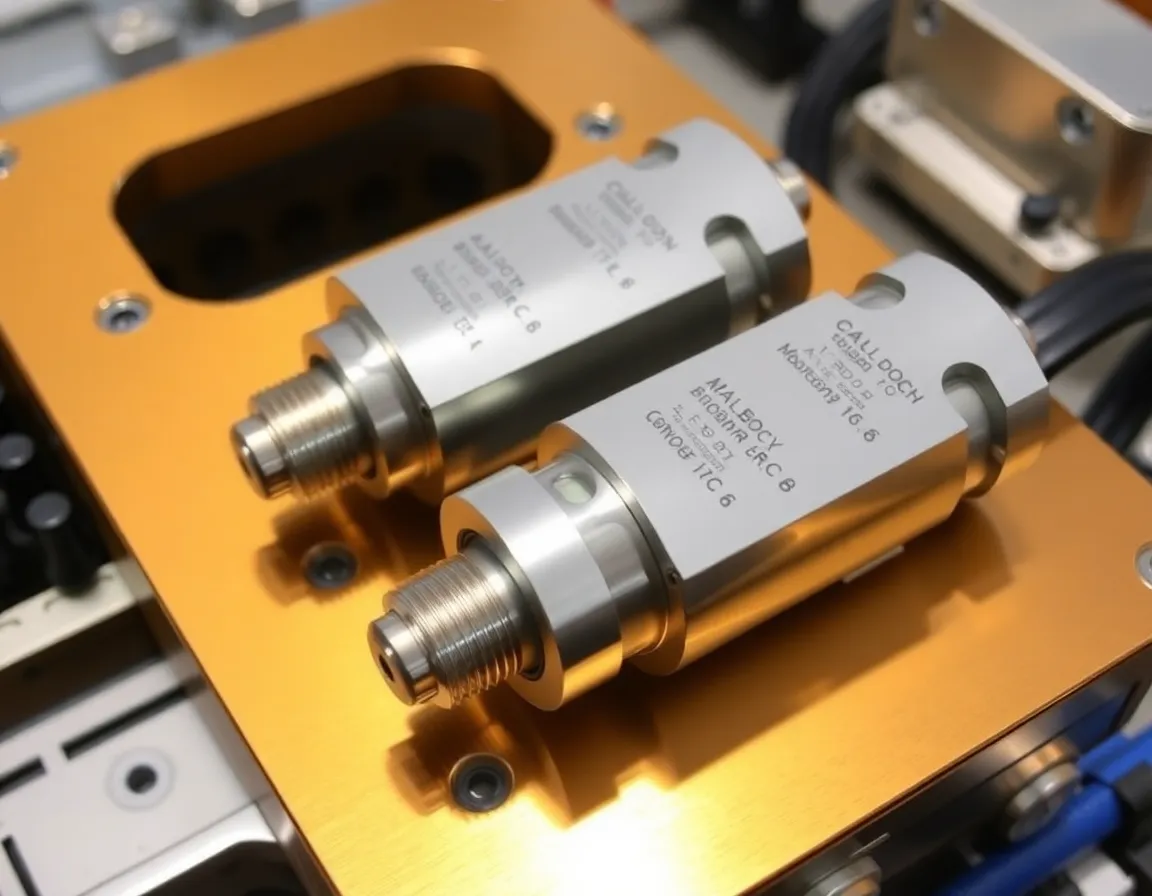
Precision machined EV connectors are the critical electrical contact pins, terminals, sockets, and complex housings manufactured using advanced machining techniques. Unlike stamped or sintered parts, they start as solid billets of material—such as high-conductivity copper alloys, brass, or aluminum—which are then shaped with extreme accuracy using CNC mills, lathes, and Swiss-style machines. This process allows for the creation of components with exceptional dimensional tolerances, complex geometries, and superior material integrity.
The Machining Process: From Billet to Perfect Pin
The journey begins with a detailed 3D CAD model. This digital blueprint is translated into machine code (G-code) that instructs the CNC machine's tools. Cutting tools with specific geometries then remove material with micron-level precision to create the final part. Key features machined into EV connectors include:
- Complex Thermal Management Channels: Internal cooling pathways for liquid-cooled high-power charging systems.
- Precision Spring Features: Integral spring mechanisms within a pin for consistent contact force.
- Optimal Contact Geometries: Specific shapes (e.g., hyperbolic, crown) that maximize surface area and electrical contact.
- Intricate Locking & Sealing Surfaces: Flawless surfaces for O-rings and mechanical locking systems to ensure IP (Ingress Protection) ratings.
The Unmatched Benefits: Durability and Performance Unleashed
The choice of precision machining over other manufacturing methods yields a host of tangible benefits that address the core challenges of EV charging.
Superior Electrical Performance
At the core of a connector's purpose is efficient current transfer. Machined connectors excel here. The process allows for the use of high-purity, high-conductivity alloys in their densest form, minimizing electrical resistance. Lower resistance means less energy lost as heat during charging, leading to higher efficiency and faster effective charge rates. Furthermore, the flawless surface finish achievable through machining reduces oxidation and maintains a lower contact resistance over thousands of mating cycles.
Exceptional Mechanical Durability and Longevity
EV connectors face a brutal lifecycle: constant plugging/unplugging, mechanical stress, and exposure to the elements. Machined components provide inherent strength.
- Material Integrity: Machining from solid billet preserves the grain structure of the metal, resulting in higher tensile strength and fatigue resistance compared to powdered or stamped metals.
- Wear Resistance: Critical contact surfaces can be machined to precise hardness specifications and even plated (with silver, tin, or nickel) with perfect adhesion, resisting wear and fretting corrosion.
- Cycle Life: The combination of robust materials, precise geometries, and reliable spring characteristics ensures machined connectors can reliably exceed the 10,000+ mating cycle requirements of commercial and public charging applications.
Enhanced Thermal Management
As charging powers soar to 350kW, 500kW, and beyond, managing heat is paramount. Precision machining is the only method that can create the complex internal geometries required for advanced liquid cooling. Tiny, precise channels can be machined directly into a connector housing or pin, allowing coolant to flow millimeters away from the current-carrying surface, actively wicking away heat and enabling sustained high-power charging without degradation or safety cut-offs.
Extreme Precision and Consistency
CNC machining offers repeatability at a microscopic level. Every single connector pin produced is virtually identical. This consistency is non-negotiable for safety and interoperability. It ensures perfect alignment, correct mating depth, and uniform contact force every time, eliminating hot spots caused by poor connections and guaranteeing that any compliant vehicle can charge safely at any compliant station worldwide.
Key Applications in the EV Ecosystem
Precision machined connectors are not used everywhere due to cost considerations, but they are indispensable in high-stakes, high-performance applications.
High-Power DC Fast Charging (DCFC) Stations
This is the primary domain of machined connectors. The connector handles (gun) and vehicle inlets for CCS (Combined Charging System), CHAdeMO, and the emerging Megawatt Charging System (MCS) for trucks rely heavily on machined components to manage currents up to 500A and beyond. The pins, sockets, and internal cooling plates are almost exclusively precision machined.
Commercial and Fleet Charging
Where uptime is revenue and cycle life is measured in dozens of uses per day, durability is key. Machined connectors in fleet depots and public transit charging points withstand the harsh, high-usage environment, reducing maintenance downtime and replacement costs.
Battery Pack and Internal Vehicle Interconnects
Within the vehicle itself, high-voltage connections between battery modules, the inverter, and the motor demand absolute reliability. Machined busbars and interconnects offer superior current density and vibration resistance in the demanding under-hood environment.
Specialized and Off-Road EVs
For mining vehicles, agricultural equipment, or marine EVs, connectors must endure vibration, moisture, and contamination. The robustness and sealing capabilities of machined housings and pins make them the preferred choice for these rugged applications.
Best Practices in Design and Manufacturing
To fully leverage the advantages of precision machined EV connectors, certain principles must be followed.
Material Selection
Choosing the right alloy is foundational. Copper alloys like C18150 (chromium zirconium copper) offer an excellent balance of conductivity, strength, and thermal resistance. Beryllium copper provides exceptional spring properties. Aluminum alloys may be machined for lightweight housings. The material must be selected for its electrical, mechanical, and plating characteristics.
Design for Manufacturability (DFM)
Close collaboration between connector designers and machining engineers is crucial. DFM optimizes the design to reduce machining time and cost without compromising function—considering tool access, internal radii, and the minimization of secondary operations.
Surface Treatment and Plating
Machining provides the perfect substrate for plating. A precise silver plating on a copper pin drastically reduces surface contact resistance and prevents oxidation. Selective plating on only the contact areas can be achieved with masking, optimizing cost and performance. Robust nickel under-plating is often used as a barrier layer.
Rigorous Testing and Validation
Beyond standard electrical tests, machined connectors must undergo severe validation:
- Thermal Cycling & Current Rating Tests: To simulate repeated high-power charging sessions.
- Mechanical Durability Testing: Tens of thousands of mating/unmating cycles under load.
- Environmental Testing: Exposure to salt spray, humidity, dust, and extreme temperatures.
- Vibration and Shock Testing: Ensuring connections remain secure in a moving vehicle.
Conclusion: Investing in the Backbone of EV Infrastructure
As the EV market matures and charging expectations escalate, the connector can no longer be an afterthought. It is a critical safety component and a performance bottleneck. Precision machined EV connectors represent the pinnacle of engineering for this application, offering a combination of durability, performance, and reliability that formed alternatives cannot match. While they may command a higher initial cost, their value is realized over a long service life through reduced energy loss, minimal maintenance, and flawless operation. For building a trustworthy, high-power EV charging infrastructure that can scale for the decades ahead, precision machining isn't just an option—it is an essential investment in the very link that powers the revolution.