The Unseen Engine of Your Perfect Cup: Precision CNC Machined Parts
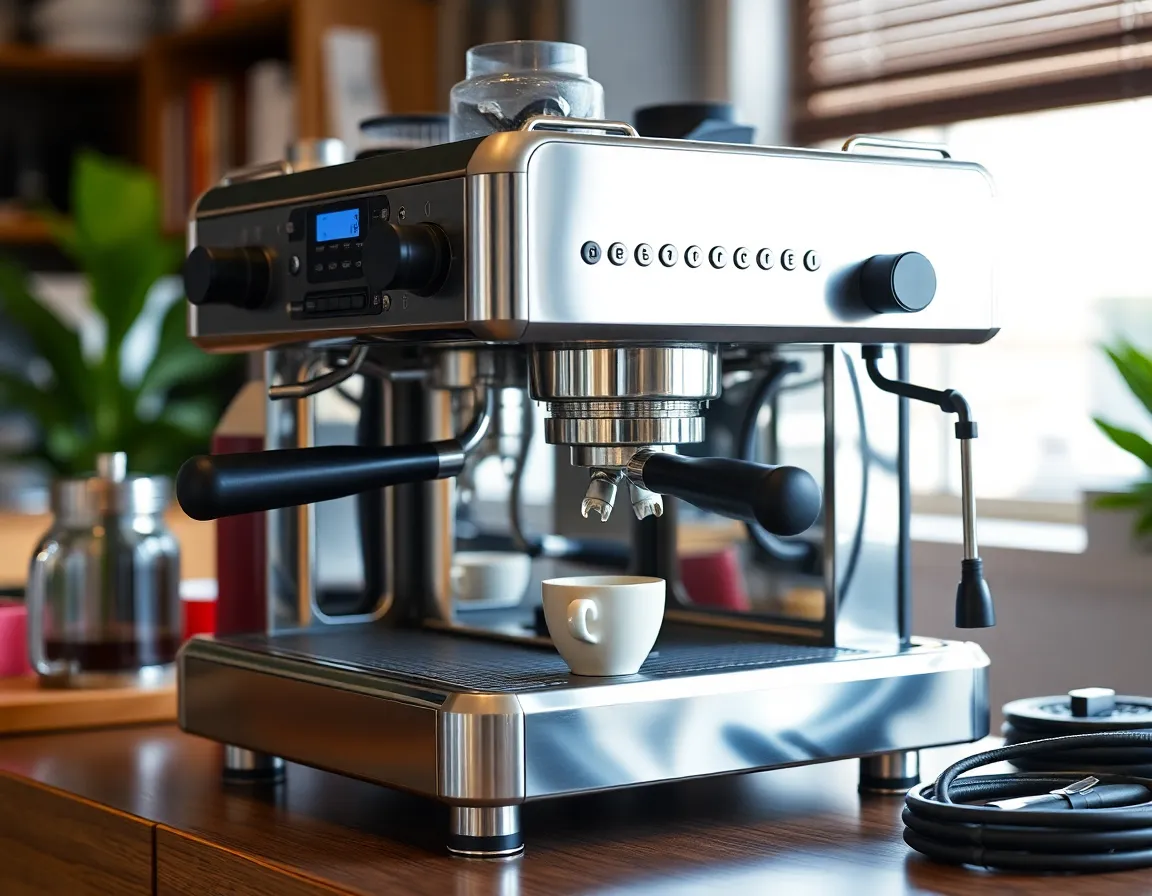
In the world of specialty coffee, the pursuit of perfection is relentless. From single-origin beans to exacting water temperatures, every variable is scrutinized. Yet, one of the most critical factors in achieving that sublime, consistent cup lies not in the bean or the barista, but in the hidden heart of the machine itself: its machined components. Precision CNC (Computer Numerical Control) parts are the unsung heroes of modern coffee machines, transforming them from simple appliances into instruments of culinary science. This article delves into how these meticulously crafted components define performance, durability, and ultimately, the quality in your cup.
What Are CNC Machined Coffee Machine Parts?
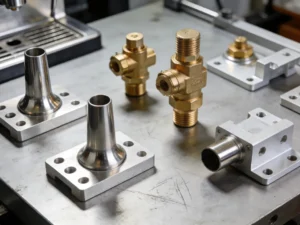
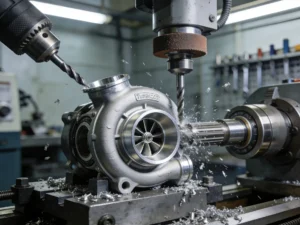
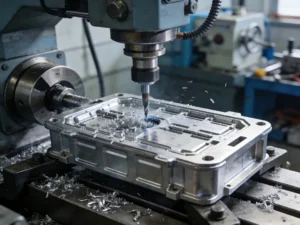
CNC machining is a subtractive manufacturing process where computer-controlled machines use cutting tools to remove material from a solid block—known as a billet or blank—to create a highly precise part. For coffee machines, this process is used to fabricate critical components from metals like stainless steel, brass, aluminum, and even specialized alloys. Unlike cast or stamped parts, CNC-machined components are characterized by their exceptional dimensional accuracy, superior surface finishes, and remarkable structural integrity.
Key Components Typically Machined
Nearly every subsystem in a high-end espresso machine or grinder relies on precision parts:
- Group Heads and Shower Screens: The interface where water meets coffee. Precision machining ensures even water distribution across the entire coffee puck, which is paramount for balanced extraction.
- Portafilter Baskets: The tolerance on the holes in a basket is microscopic. CNC machining allows for perfectly uniform hole size and pattern, preventing channeling and ensuring a consistent flow rate.
- Boiler Elements and Heat Exchangers: Complex internal channels for water and steam require precise machining to manage heat transfer efficiently and maintain stable temperatures.
- Valve Bodies and Pistons: In manual, semi-automatic, and even super-automatic machines, the valves controlling water and steam flow must seal perfectly. CNC machining achieves the tight tolerances needed for leak-free operation and precise pressure control.
- Grinder Burrs: While often cast, the highest-end flat or conical burrs are precision machined and then hardened. The exact geometry and sharpness of the cutting edges are crucial for producing uniform coffee grounds without generating excessive heat.
- Steam Wand Tips: The number, size, and angle of the holes in a steam wand tip are machined to create the ideal vortex for texturing milk.
How Precision Engineering Transforms Your Coffee
The connection between a machined metal part and the flavor in your cup is direct and profound. It all boils down to control over the fundamental variables of coffee extraction: temperature, pressure, and flow.
Temperature Stability
Precision-machined boilers and heat exchangers have consistent wall thicknesses and optimally designed water pathways. This eliminates hot and cold spots, ensuring the water that hits your coffee grounds is at the exact target temperature. Inconsistent temperatures lead to under-extraction (sour) or over-extraction (bitter) flavors.
Pressure Accuracy and Consistency
The famous 9 bars of pressure for espresso is not an average—it's a target that must be held steady during the entire shot. CNC-machined pump components, pistons, and valve seats operate with minimal variance and wear. This means the pressure profile (whether flat, declining, or pre-infused) is exactly what the machine designer intended, shot after shot, day after day.
Uniform Flow and Extraction
Perhaps the most visible impact is on flow. A CNC-machined shower screen distributes water evenly across the coffee bed. A precision portafilter basket offers uniform resistance. Together, they prevent channeling, where water finds a path of least resistance, creating an uneven extraction. The result is a balanced, full-flavored espresso with maximum sweetness and clarity.
The Tangible Benefits for Manufacturers and Consumers
Investing in CNC-machined parts offers a cascade of advantages that justify their place in premium and commercial coffee equipment.
Unmatched Durability and Longevity
CNC parts are typically machined from solid, high-grade materials. They resist wear, corrosion from water and coffee acids, and the high pressures of an espresso system far better than inferior alternatives. This translates to machines that last for decades, not years, with minimal performance degradation.
Superior Consistency and Repeatability
For a café serving hundreds of drinks daily, consistency is brand identity. CNC machining ensures that every part in every machine is identical within microns. This means the 1000th latte of the day will be as perfectly executed as the first, a feat impossible with parts suffering from dimensional variance.
Enhanced Performance and Customization
CNC machining allows for complex geometries that are impossible with other methods. This enables innovative machine designs, like more efficient pre-infusion chambers or specialized flow-control valves. For the aftermarket, it allows boutique manufacturers to create high-performance upgrade parts, like precision baskets or adjustable flow shower screens, that baristas can use to fine-tune their extraction.
Easier Maintenance and Serviceability
Well-machined parts fit together perfectly. Seals seat correctly, threads align smoothly, and surfaces mate flush. This makes routine maintenance like descaling or seal replacement simpler and reduces the risk of damage during service. It also ensures that replacement parts will function as intended.
Best Practices: Identifying and Caring for Precision Machines
Whether you're a manufacturer specifying parts or a consumer choosing a machine, understanding quality is key.
For Manufacturers: Specifying Quality
- Material Selection: Food-grade stainless steel (e.g., 303, 304, 316) is the gold standard for corrosion resistance and safety.
- Tolerance Callouts: Critical sealing surfaces and moving parts require tight tolerances (often within ±0.01mm or less).
- Surface Finish: Specify finishes like electropolishing for critical water paths to prevent scale buildup and make cleaning easier.
- Post-Processing: Consider heat treatment for burrs or wear surfaces, and passivation for stainless steel to enhance its corrosion-resistant layer.
For Consumers: Choosing and Maintaining Your Machine
- Look for the Signs: Research the brand's manufacturing ethos. Brands that highlight "precision-machined brass group heads" or "CNC-machined stainless steel boilers" are advertising a core quality feature.
- Weight and Feel: High-quality CNC parts have a substantial, solid feel. A well-machined portafilter, for example, will have a precise, smooth fit into the group head.
- Proper Maintenance: Use filtered water to minimize scale, which can clog precisely machined orifices. Clean group heads and shower screens regularly with approved cleaners. Backflush commercial machines as recommended.
- Invest in Upgrades: Consider upgrading to a precision CNC basket or shower screen—these are often the most cost-effective way to dramatically improve extraction quality on a good machine.
Conclusion: The Foundation of Coffee Excellence
In the symphony of coffee making, precision CNC parts are the impeccably crafted instruments. They don't make noise about their role, but they fundamentally enable the control, consistency, and reliability that define a world-class coffee experience. From the home enthusiast seeking the perfect morning ritual to the busy café demanding unwavering quality under pressure, these components are a critical investment. They represent the marriage of traditional craftsmanship with digital-age manufacturing, ensuring that every variable, down to the micron, is accounted for. So, the next time you savor an exceptionally balanced and flavorful espresso, remember that its journey was guided long before the grind by the unseen, unwavering precision of machined perfection.