Beyond the Camera Body: The Unsung Hero of Cinematic Excellence
In the pursuit of cinematic perfection, filmmakers invest heavily in cameras, lenses, and lighting. Yet, the critical link between the operator's intent and the final image—the camera support system—is often an afterthought. Enter the world of machined camera rigs: the engineered backbone of modern filmmaking. Far from simple accessories, these precision-crafted systems are the definitive tools for achieving flawless, stable, and creatively unconstrained footage. This article delves into the art and science of machined camera rigs, exploring their construction, benefits, and indispensable role across the filmmaking spectrum.
What Are Machined Camera Rigs? Anatomy of Precision
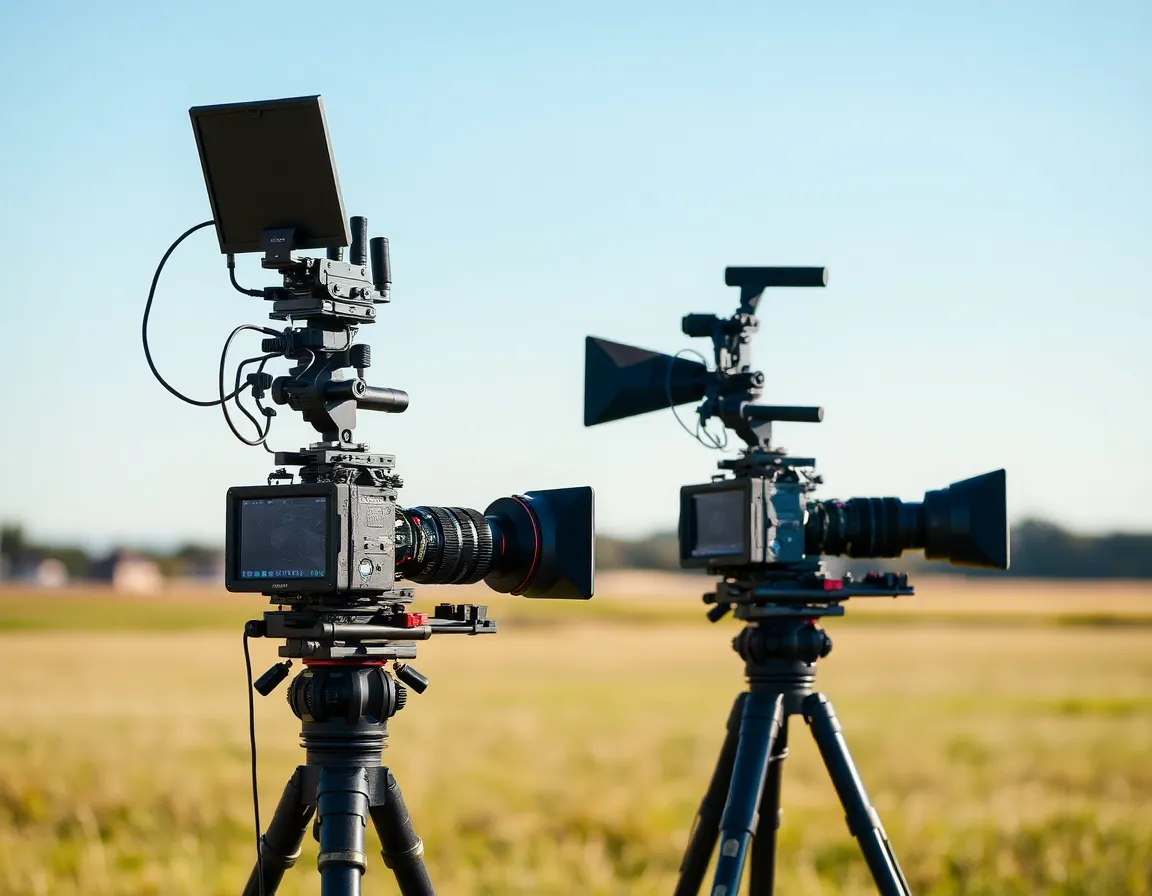
A machined camera rig is a modular system of components designed to support, stabilize, and enhance a camera for motion picture capture. Unlike mass-produced, cast components, "machined" refers to the manufacturing process: parts are precision-cut from solid blocks of aerospace-grade aluminum (typically 6061 or 7075) using Computer Numerical Control (CNC) machines. This process yields components with exceptional strength-to-weight ratios, exacting tolerances, and flawless consistency.
Core Components of a Professional Rig
Every rig is built from a suite of interoperable parts:
- Baseplates & Dovetails: The foundational interface between camera and rig. Machined dovetails offer buttery-smooth, slop-free sliding for perfect balance adjustments.
- Cage Systems: A rigid exoskeleton that surrounds the camera, providing numerous threaded mounting points (1/4"-20 and 3/8"-16) for accessories on all sides.
- Handles & Grip Arms: Ergonomically designed for comfortable handheld operation, often with rosette attachments for infinite angle adjustment.
- Follow Focus & Matte Box Systems: Precision gears and filter holders that mount directly to the rigid structure, eliminating flex and ensuring reliable operation.
- Support Rods & Mounting Clamps: High-strength rods and clamps that maintain perfect alignment for monitors, recorders, and other peripherals.
The Machining Advantage: Why Material and Process Matter
The CNC machining process is what sets these rigs apart. By carving components from solid billet, manufacturers eliminate the porosity and structural weaknesses inherent in cast parts. This results in:
- Zero Flex: The system remains perfectly rigid, even with heavy camera packages, preventing unwanted movement between accessories like follow focuses and lens gears.
- Perfect Alignment: Mounting holes are precisely positioned, ensuring accessories line up correctly every time, which is critical for maintaining lens axis and balance.
- Durability & Longevity: Machined aluminum is incredibly resilient, resisting wear, stripping threads, and deformation under load.
- Modular Consistency: Components from the same manufacturer are guaranteed to fit together perfectly, enabling limitless reconfiguration.
The Tangible Benefits: Why Filmmakers Demand Precision
Investing in a precision-machined rig translates directly to on-set efficiency and superior image quality. The benefits are profound and multifaceted.
Uncompromising Stability and Image Integrity
Any flex or movement in a rig between the camera, lens support, and follow focus can cause subtle focus shifts or micro-vibrations. A machined rig’s rigidity ensures that the only movement is the intended movement—whether it’s a smooth pan on a tripod or a deliberate handheld gesture. This stability is paramount for high-resolution shooting and when using long lenses, where even minute camera shake is magnified.
Enhanced Ergonomics and Operator Control
Proper weight distribution is the secret to stable handheld footage. Machined rigs allow for meticulous balancing by sliding the camera, battery, and monitor along rods and dovetails. Well-placed, adjustable handles transform the camera into a comfortable, controllable extension of the operator’s body, reducing fatigue and enabling longer, more consistent takes.
Scalability and Future-Proofing
A quality machined rig system is a one-time investment. As cameras evolve, a new baseplate or small adapter is often all that’s needed to integrate the latest body into your existing ecosystem. This modularity protects your investment and allows the rig to grow in complexity—from a simple stripped-down configuration for a gimbal to a fully loaded setup with monitors, wireless video, and audio recorders for shoulder-mounted documentary work.
Professional Workflow and On-Set Efficiency
Time is money on set. The predictable, tool-less (or quick-release) reconfiguration of a machined rig allows cinematographers to adapt rapidly: switching from tripod to handheld, adding a director's viewfinder, or mounting the camera in a tight spot like a car rig. The reliability of the components means no fiddling with loose parts or fighting misaligned accessories.
Applications Across the Filmmaking Spectrum
The versatility of machined rigs makes them indispensable in virtually every filming context.
Cinematic Narrative & Commercial Production
Here, the rig is the core of the camera department’s toolkit. It enables the precise, repeatable control needed for focus pulls, filter changes, and complex camera movements. Shoulder rigs provide the organic, immersive feel for run-and-gun scenes, while stripped-down configurations are ideal for stabilization systems like Steadicam or gimbals, where every gram matters.
Documentary & Event Filmmaking
For unpredictable, fast-paced environments, a well-configured handheld rig is essential. It allows operators to move quickly while maintaining professional control over focus, framing, and stability. The ability to mount onboard microphones and lights creates a self-contained unit capable of capturing broadcast-quality footage in any situation.
Specialized Applications: Car Rigs, Underwater, and More
Machined rigs form the foundation for specialized filmmaking tools. Custom brackets and clamps securely mount cameras to vehicles for chase sequences. Robust underwater housings are built around machined frames to ensure controls work reliably at depth. The inherent strength and precision make them the starting point for any custom camera solution.
Best Practices for Selecting and Using a Machined Camera Rig
Navigating the market requires a strategic approach focused on your specific needs.
Choosing the Right System
Consider your primary camera and typical shooting style. Research manufacturers with reputations for quality and strong customer support. Compatibility is king—ensure the system has a wide range of components and that key pieces like baseplates are available for your camera model. While price is a factor, view a rig as a long-term capital investment, not a disposable accessory.
The Art of Configuration and Balancing
The most common mistake is over-rigging. Start with the essentials: cage, baseplate, handles. Add accessories only as needed. When building a handheld or shoulder rig, always balance it on your hand at the camera’s center of gravity before tightening everything down. The goal is a neutral balance where the camera rests comfortably without tipping forward or backward.
Maintenance and Care
Although durable, precision tools deserve care. Periodically check and tighten screws with the correct hex keys. Clean threads and sliding surfaces (like dovetails) with a soft brush to remove dust and grit. Store components in a padded case to prevent dings and scratches that, while often cosmetic, can affect resale value.
Conclusion: The Foundation of Creative Vision
In the end, a machined camera rig is more than just metal and screws; it is an enabler of creative vision. It provides the physical and operational stability that allows cinematographers to focus on composition, light, and story. By eliminating the variables of unreliable gear, it empowers filmmakers to execute their shots with confidence and repeatability. In an era where image quality is paramount, the precision, durability, and flexibility of a machined camera rig are not just advantages—they are essential components for achieving truly flawless filming. It is the invisible hand that steadies the frame, the solid platform upon which cinematic dreams are built.