The Allure of Global Manufacturing: Why China for CNC Machining?
In the competitive landscape of product development and manufacturing, controlling costs without sacrificing quality is the ultimate goal. For engineers, startups, and established businesses alike, sourcing low-cost CNC machining has become a strategic imperative. While options exist globally, China has solidified its position as the world's premier hub for precision, scalable, and remarkably affordable CNC machining services. This isn't merely about finding the cheapest vendor; it's about unlocking a sophisticated ecosystem that combines advanced technology, deep manufacturing expertise, and economies of scale to deliver exceptional value.
The journey of China's manufacturing sector from a low-wage assembly center to a high-tech powerhouse is key to understanding this value proposition. Decades of investment in infrastructure, vocational training, and automation have created a dense network of suppliers specializing in CNC milling, turning, and multi-axis machining. This concentration fosters intense competition, driving innovation and efficiency while keeping prices highly competitive. For international buyers, this translates to accessing industrial-grade capabilities at a fraction of the cost typically found in North America or Europe, making prototyping and production runs financially viable for projects of all sizes.
Deconstructing the Cost Advantage: How China Achieves Low Prices
The significantly lower cost of CNC machining in China is not a mystery; it is the result of a confluence of structural and operational factors. Understanding these helps buyers make informed decisions and set realistic expectations.
Operational and Economic Drivers
Several key elements work in tandem to reduce the final price tag. First, lower labor costs, though rising, remain advantageous compared to Western nations. More impactful, however, is the sheer scale of operations. High-volume production runs allow Chinese machine shops to optimize material purchasing, machine utilization, and workflow efficiency, passing on the savings. Furthermore, the domestic supply chain for raw materials (aluminum, steel, brass, plastics) and machine components is vast and integrated, minimizing procurement costs and lead times.
Technological Parity and Investment
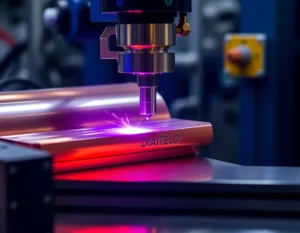
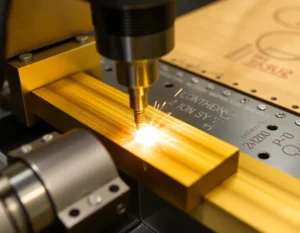
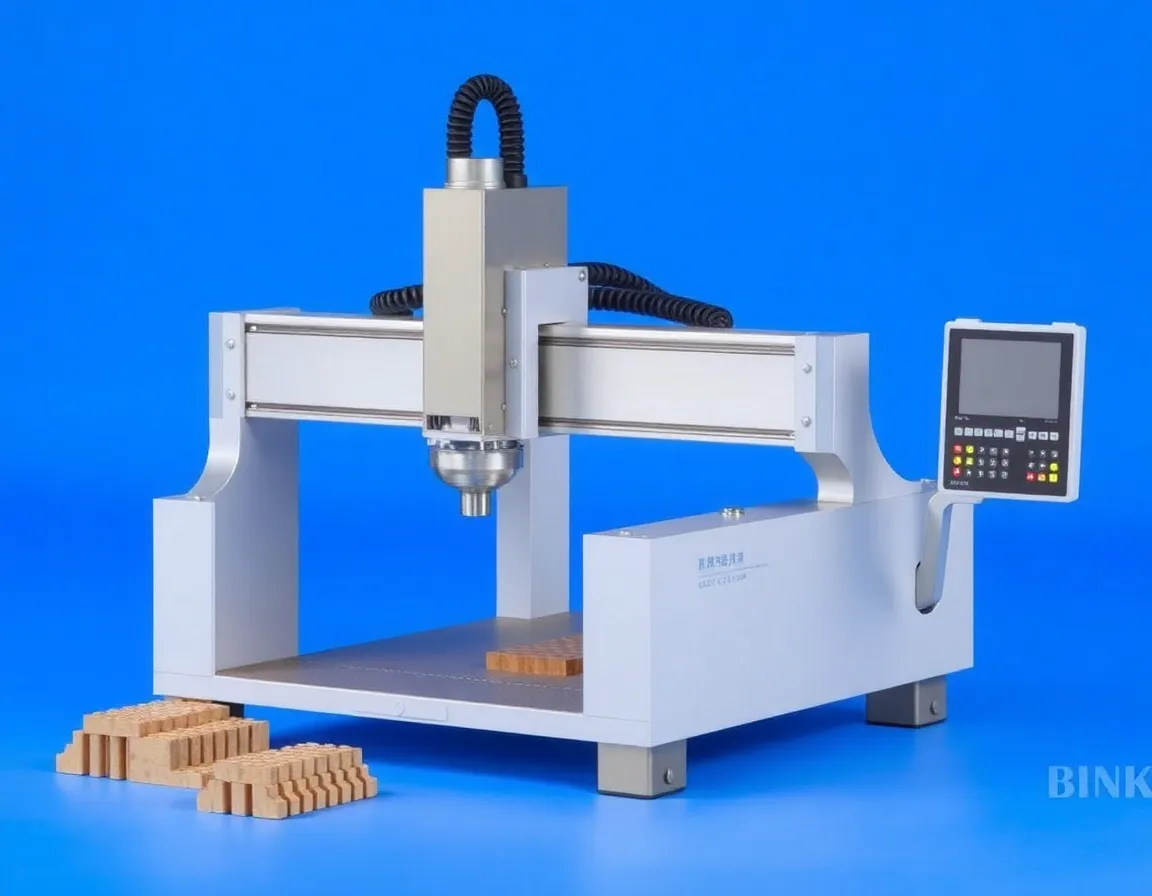
The stereotype of outdated machinery is profoundly outdated. Leading Chinese CNC machining centers are equipped with state-of-the-art 3, 4, and 5-axis CNC machines from brands like DMG Mori, Haas, and Mazak, alongside advanced CAD/CAM software and precision inspection equipment (CMMs). The competitive market forces continuous technological upgrades. This means you are not trading cost for capability; you are accessing modern technology operated by a skilled workforce at a lower operational cost basis.
The Direct Sourcing Model
Eliminating intermediaries is perhaps the most direct way to slash costs. By partnering directly with a qualified factory in China, you remove the markups added by domestic brokers or resellers. This model fosters clearer communication, greater control over the process, and a more transparent cost structure, ensuring you pay for the manufacturing service itself, not multiple layers of profit.
Navigating the Landscape: Best Practices for Successful Sourcing
To fully harness the benefits of low-cost CNC machining in China, a strategic and diligent approach is non-negotiable. Success hinges on more than just finding the lowest quote.
Vetting and Selecting the Right Partner
Thorough due diligence is the first and most critical step. Look for a machine shop with:
- Proven Expertise and Portfolio: Review their past work, especially in your industry (aerospace, automotive, medical, consumer electronics).
- Quality Certifications: ISO 9001 is a baseline. Industry-specific certifications like AS9100 (aerospace) or ISO 13485 (medical) are strong indicators of a mature quality management system.
- Communication Capability: Ensure they have English-speaking engineering and project management staff to avoid costly misunderstandings.
- Transparent Pricing: A reputable supplier will provide a detailed breakdown (material, machining, finishing, hardening).
Mastering the Technical Package
Clarity is king. Providing a comprehensive and unambiguous technical package prevents errors and delays. This must include:
- Fully Detailed CAD Files: 3D models (STEP, IGES) are essential for programming.
- Professional 2D Drawings: With all critical dimensions, tolerances (GD&T where applicable), surface finish requirements, and material specifications clearly called out.
- Material and Finish Specifications: Specify exact material grades (e.g., 6061-T6 aluminum, 304 Stainless Steel) and desired surface treatments (anodizing, powder coating, plating).
Prototyping and Quality Assurance
Never jump directly into a full production run. Start with a small-batch prototype order to evaluate the supplier's quality, communication, and timeliness. Implement a robust Quality Assurance (QA) plan:
- First Article Inspection (FAI): Require a detailed report with dimensional measurements and photos.
- In-Process and Pre-Shipment Inspections: Consider hiring a third-party inspection company in China for critical projects to verify quality before shipment.
- Clear Acceptance Criteria: Define what constitutes a pass/fail for parts in your initial agreement.
Applications and Industries Transformed
The accessibility of low-cost, high-precision CNC machining in China has been a democratizing force across countless industries. It enables innovation by lowering the barrier to entry for creating complex, functional parts.
In the aerospace and drone sectors, manufacturers source lightweight, high-strength aluminum and titanium components with intricate geometries. The automotive industry, both for OEMs and aftermarket tuners, relies on Chinese CNC shops for prototype parts, custom fixtures, and low-volume production components. The burgeoning robotics and automation field depends on precisely machined frames, actuators, and tooling. Furthermore, medical device startups use these services for prototyping enclosures and surgical instrument components, while the consumer electronics industry leverages it for creating sleek aluminum housings, heat sinks, and internal brackets for everything from routers to high-end audio equipment.
Conclusion: A Strategic Tool for Modern Business
Unlocking low-cost CNC machining in China is a powerful strategy for any business looking to optimize its manufacturing budget and accelerate development cycles. It represents a mature, technology-driven sector capable of delivering world-class quality. The key to success lies in recognizing that "low-cost" should not mean "low-effort." By investing time in selecting the right manufacturing partner, preparing impeccable technical data, and implementing a vigilant quality control process, companies can build a reliable and highly cost-effective extension of their production team. In today's global economy, leveraging the precision and efficiency of China's CNC machining ecosystem is not just a cost-saving tactic; it's a competitive advantage.