The Heart of the Chill: Why Precision is Paramount in GPU Block Manufacturing
In the relentless pursuit of higher frame rates, lower thermals, and extreme overclocking records, the modern PC enthusiast has turned liquid cooling from a niche novelty into a mainstream necessity. At the very core of any high-performance liquid-cooled graphics card lies a component of astonishing complexity and critical importance: the GPU water block. This is not a simple hunk of metal; it is a feat of thermal engineering where performance is directly sculpted by manufacturing precision. Precision machining is the unsung hero that transforms a design concept into a cooling masterpiece, dictating everything from thermal transfer efficiency to flow dynamics and long-term reliability. This article delves into the world of precision machining for high-performance GPU blocks, exploring the processes, technologies, and exacting standards that keep our most powerful graphics processors running cool under pressure.
Deconstructing the GPU Block: A Symphony of Micro-Channels and Manifolds
A GPU water block's primary mission is to efficiently extract heat from the graphics processing unit, its memory (VRAM), and voltage regulation modules (VRMs), transferring it into the circulating coolant. This is achieved through a multi-part design, typically comprising a cold plate, a mid-plate or jet plate, and a top cover. Each component demands specific machining strategies.
The Cold Plate: The Intimate Interface
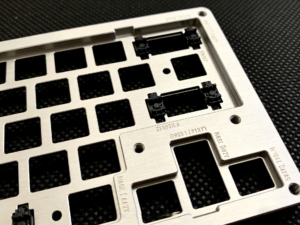
This is the foundation. The cold plate makes direct contact with the GPU die and other components via a thermal interface material. Its underside is often mirror-finished via fine milling or lapping to ensure perfect, gap-free contact. The true magic, however, lies on the inside. Modern cold plates feature intricate micro-channel arrays or pin-fin matrices. These structures dramatically increase the surface area in contact with the coolant, promoting turbulent flow and maximizing heat absorption. Machining these features—which can have fin widths and channel gaps as small as 0.2mm—requires exceptionally rigid machine tools, ultra-sharp end mills, and sophisticated CNC programming to achieve consistency and avoid tool deflection.
The Jet Plate and Flow Distribution
Sandwiched between the cold plate and the top, the jet plate is the block's traffic controller. It features precisely drilled or milled inlets that direct high-velocity jets of coolant onto the hottest spots of the cold plate (typically directly over the GPU die). This targeted impingement cooling is one of the most effective methods for breaking through the boundary layer of stagnant fluid. The precision of these jet orifices is critical; inconsistent sizing can lead to uneven cooling and localized hot spots.
The Top Cover: More Than Just a Lid
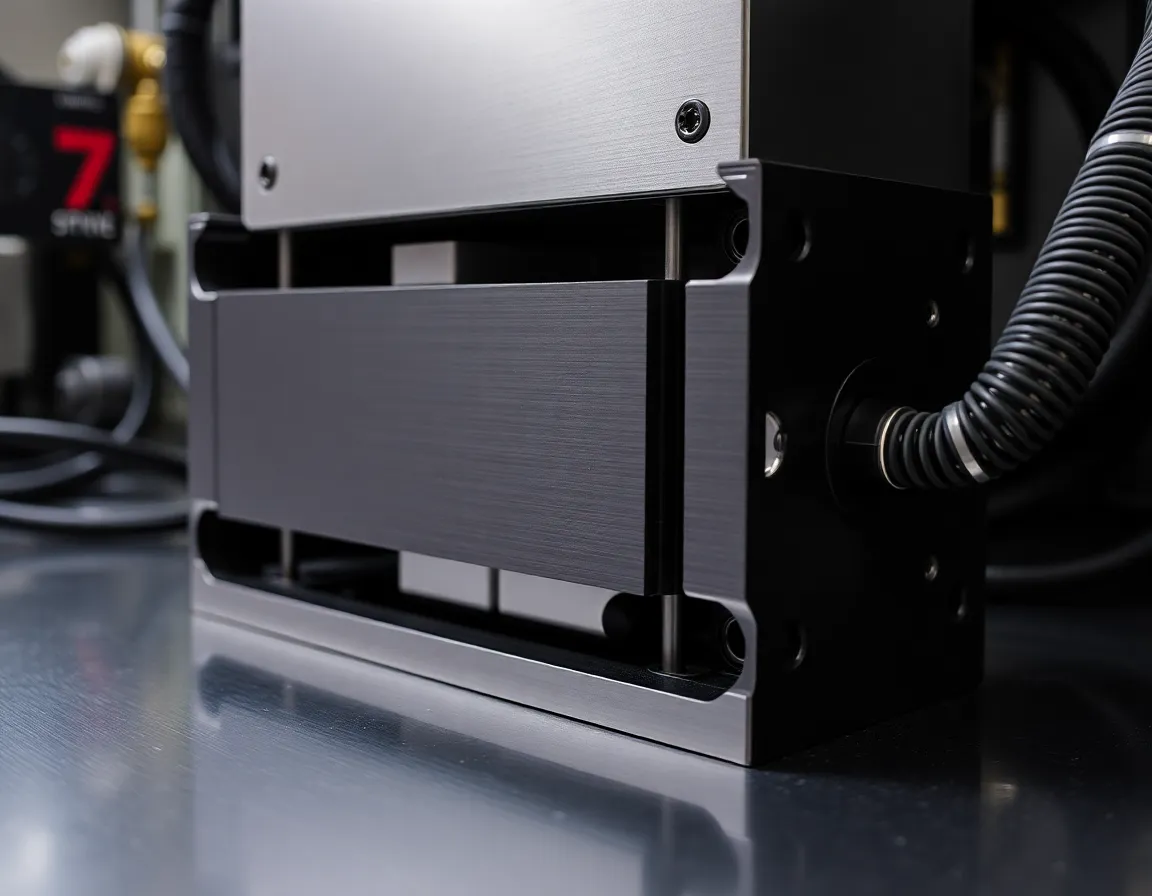
While often admired for its aesthetic appeal, the top cover's internal geometry is functionally vital. It houses the inlet and outlet ports and forms the coolant manifold—the chamber that distributes flow evenly to the jet plate or across the cold plate. CNC machining ensures these internal cavities are smooth to minimize flow restriction and that port threading is perfect to prevent leaks. For transparent acrylic or polycarbonate tops, machining parameters must be adjusted to prevent melting or cracking, requiring specialized tooling and coolant.
The Arsenal of Precision: Key Machining Techniques and Technologies
Creating a flawless GPU block requires more than a standard milling machine. It involves a suite of advanced manufacturing technologies, each selected for specific tasks and tolerances.
CNC Milling: The Workhorse
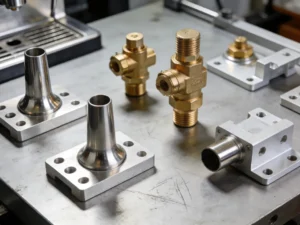
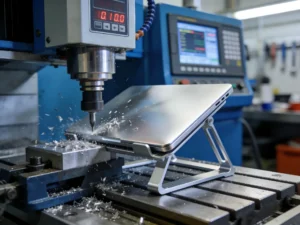
Computer Numerical Control (CNC) milling is the backbone of block manufacturing. Multi-axis CNC mills (often 3-axis or 5-axis) are used to carve the complex geometries from solid blocks of material—typically high-purity copper for the cold plate, and brass, aluminum, or acrylic for the tops. 5-axis machining is particularly valuable for creating complex, curved internal channels or for machining intricate port designs from multiple angles without re-fixturing, ensuring exceptional accuracy.
Micro-Machining and EDM
For the most delicate features, such as ultra-fine pin-fins or micro-channels, specialized micro-machining centers are employed. These machines use high-speed spindles (often exceeding 30,000 RPM) and tiny, diamond-coated tools to cut with micron-level precision. For features that are impossible with a rotating tool, Electrical Discharge Machining (EDM) is used. EDM, particularly wire EDM, can cut intricate shapes and sharp internal corners in conductive metals like copper with no physical tool contact, eliminating cutting forces and allowing for incredibly detailed and burr-free features.
Surface Finishing and Quality Assurance
Machining is only part of the story. Post-processing is equally crucial:
- Deburring: Every machined edge must be meticulously deburred to prevent tiny metal shavings from contaminating the loop.
- Lapping & Polishing: The GPU contact surface is often hand-lapped to a mirror finish, ensuring optimal thermal transfer.
- Cleaning: Ultrasonic cleaning in specialized solutions removes all machining oils and microscopic particulates.
- Inspection: Precision blocks undergo rigorous QA. This includes coordinate measuring machine (CMM) scans to verify channel dimensions, pressure testing to guarantee leak-free operation, and flatness checks using optical flats or precision straight edges.
The Tangible Benefits: Why Precision Directly Equals Performance
The investment in high-tolerance machining is not for show; it yields measurable, significant advantages for the end-user.
- Superior Thermal Performance: Tighter tolerances on micro-channels and jet plates ensure consistent, predictable flow and heat exchange. This translates directly to lower GPU core and memory junction temperatures, which can mean higher sustained boost clocks and greater overclocking headroom.
- Reduced Flow Restriction: Smoothly machined, optimized internal pathways minimize pressure drop across the block. This places less strain on the coolant pump, allowing for quieter operation or the use of smaller, more efficient pumps in compact builds.
- Perfect Component Compatibility: Precision-machined mounting holes and milled recesses for VRAM/VRM pads ensure the block mounts with even, correct pressure across the entire PCB. This prevents hot spots caused by poor contact and protects sensitive components.
- Long-Term Reliability and Aesthetics: Flawless threading, seamless O-ring grooves, and impeccable sealing surfaces eliminate the risk of leaks. Furthermore, the crisp lines, sharp edges, and flawless finishes achieved through precision machining satisfy the high aesthetic demands of the boutique PC market.
Material Matters: The Substrates of Cooling
The choice of material is intrinsically linked to the machining process and final performance.
- Copper (C110): The gold standard for cold plates due to its exceptional thermal conductivity. It is relatively soft and machines well but requires careful handling to avoid scratches and oxidation.
- Nickel-Plated Copper: Offers the thermal performance of copper with a shiny, corrosion-resistant, and aesthetically pleasing nickel surface. The plating must be applied after precision machining to maintain dimensional accuracy.
- Acrylic (PMMA) & Polycarbonate: Used for transparent tops. These thermoplastics require specific machining feeds, speeds, and coolants to achieve crystal-clear, crack-free finishes without melting or clouding.
- Brass and Aluminum: Often used for top covers or full-block designs for cost-effective solutions. They are easier to machine than copper but have lower thermal conductivity.
Best Practices in the Industry: From CAD to Final Assembly
The journey of a precision GPU block follows a meticulous path.
- Design for Manufacturability (DFM): Engineers must design the block with machining limitations in mind—considering tool access, minimum feature size, and optimal material use.
- Advanced CAM Programming: The CNC toolpaths are generated with simulations to prevent tool collisions, optimize cutting time, and ensure surface finish quality.
- Rigid Workholding: The raw material must be held absolutely secure with minimal vibration to achieve micron-level accuracy, often using custom machined vises or fixtures.
- Process Control: Consistent use of sharp tools, proper coolant filtration, and stable workshop temperatures are essential to maintain tolerances across production runs.
- Cleanroom Assembly: Final assembly should occur in a controlled, clean environment to prevent dust or debris from compromising the O-rings or internal channels.
In conclusion, the high-performance GPU cooling block is a monument to modern precision engineering. It is where thermal science meets the art of machining. As graphics cards continue to push the boundaries of power and heat output, the demand for ever-more sophisticated, precisely machined cooling solutions will only intensify. The difference between a good cooling result and a world-record setting one often resides in the microns—the thousandths of a millimeter—of accuracy achieved on the machining floor. For the serious enthusiast, understanding this deep interplay between design, material, and machining precision is key to selecting the component that will truly unlock their hardware's potential, ensuring that their GPU remains not just cool, but ice-cold under the most extreme loads.