In the world of commercial, industrial, and increasingly residential flooring, few solutions offer the transformative power and robust performance of epoxy. More than just a simple floor paint, a professionally applied epoxy coating is a seamless, resin-based system that creates a hard, durable surface capable of withstanding immense punishment while looking stunning. This comprehensive guide delves into the world of professional epoxy coating services, exploring its benefits, applications, and the crucial factors that determine its cost.
What is Epoxy Flooring and How Does It Work?
Epoxy flooring is a multi-coat system applied over a concrete substrate. It consists of two primary components: epoxy resin and a polyamine hardener. When these two chemical components are mixed, a catalytic reaction occurs, causing the mixture to cure into an incredibly rigid plastic-like material. This material bonds tenaciously to the concrete, creating a surface that is not just a coating but a new, unified wear layer.
Professional installation is a meticulous process that typically involves:
- Surface Preparation: This is the single most critical step. The concrete must be cleaned, repaired, and profiled, often through diamond grinding or shot blasting, to ensure optimal adhesion.
- Primer Application: A primer coat is applied to penetrate the concrete and create a strong bond for the subsequent layers.
- Base Coat & Top Coat Application: The mixed epoxy is applied, often in multiple layers. This is where color, flake broadcasts, or decorative quartz aggregates are introduced.
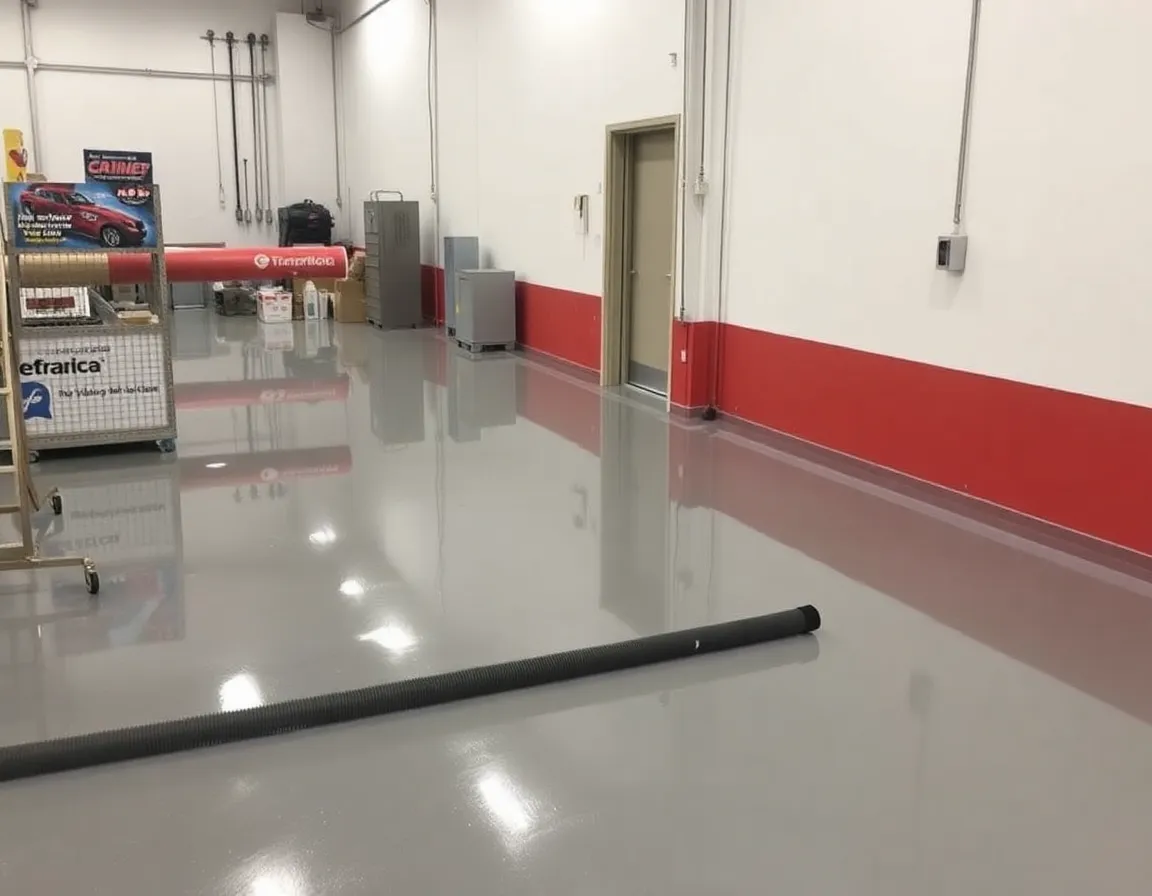
- Sealing: A clear polyurethane or epoxy topcoat is frequently added for enhanced UV resistance (preventing yellowing), chemical resistance, and an extra glossy, easy-clean finish.
The Compelling Benefits of Professional Epoxy Coatings
Choosing a professional epoxy coating service delivers a multitude of advantages that go far beyond aesthetics, offering a significant return on investment.
Unmatched Durability and Longevity
Epoxy floors are legendary for their toughness. They resist heavy impacts, abrasion from foot and vehicle traffic, and can last for a decade or more with proper maintenance. This drastically reduces the need for costly floor replacements, making it a long-term economical choice.
Superior Chemical and Stain Resistance
Epoxy creates a non-porous, seamless barrier. This makes it highly resistant to a wide range of chemicals including oils, greases, solvents, acids, and cleaning agents. Spills bead up and can be easily wiped away without leaving permanent stains, a critical feature for garages, workshops, and laboratories.
Enhanced Safety and Cleanliness
Professional installers can integrate safety features directly into the floor. Anti-slip additives can be broadcast into the coating to create a textured, slip-resistant surface even when wet. The seamless nature also eliminates grout lines and cracks where dirt, bacteria, and allergens can hide, promoting a more hygienic environment. This is why epoxy is the gold standard in food processing plants, hospitals, and commercial kitchens.
Low Maintenance and Easy Cleaning
The glossy, sealed surface requires minimal upkeep. Regular sweeping and occasional mopping with a neutral pH cleaner are typically all that's needed. There’s no waxing or stripping required, saving both time and money on maintenance labor and products.
Aesthetic Versatility and Brand Enhancement
Epoxy is not just gray. It can be customized with a vast array of colors, metallic pigments, decorative flakes, and quartz aggregates. Businesses can incorporate logos, color zones, and specific patterns. A high-gloss finish also brightens spaces by reflecting light, which can reduce lighting costs.
Where Are Epoxy Coating Services Used?
The application of epoxy flooring is vast and crosses numerous industries due to its adaptable performance characteristics.
- Industrial & Manufacturing: Factories, warehouses, assembly plants, and pharmaceutical facilities benefit from its heavy-duty resistance.
- Commercial & Retail: Showrooms, retail stores, airports, convention centers, and restaurants appreciate its durability and custom design potential.
- Automotive: Garages, auto dealerships, repair shops, and showrooms rely on its resistance to oil, gasoline, and tire marks.
- Institutional: Schools, hospitals, laboratories, and government buildings utilize its hygienic and safety properties.
- Residential: Homeowners are increasingly using epoxy in garages, basements, laundry rooms, and even living spaces for a modern, durable finish.
Epoxy Flooring Cost Guide: Factors That Influence Your Investment
The cost of a professional epoxy coating service is not a one-size-fits-all figure. It varies significantly based on several key factors. Understanding these will help you interpret quotes and make an informed decision. Prices typically range from $3 to $12 per square foot for full professional installation.
1. Condition and Preparation of the Existing Concrete
The state of your current slab is the largest variable. New, clean, level concrete requires minimal prep. Older concrete with cracks, spalling, moisture issues, or existing coatings requires extensive repair, grinding, and remediation, which increases labor and material costs. Proper preparation can account for up to 70% of the job's labor.
2. System Type and Decorative Complexity
- Solid/Garage Floor Coatings (~$3-$5/sq ft): Basic 1-2 coat systems with color flakes. Good for residential garages.
- Quartz-Filled Systems (~$5-$8/sq ft): Epoxy mixed with colored quartz sand for a textured, slip-resistant finish common in commercial restrooms and food service areas.
- Decorative Flake Systems (~$4-$7/sq ft): Broadcast vinyl flakes create a highly customizable, speckled look with good thickness.
- Metallic Epoxy Systems (~$7-$12+/sq ft): High-end, artistic finishes with dynamic, marbled, and 3D visual effects.
3. Square Footage and Job Size
Larger areas generally have a lower cost per square foot due to economies of scale. Mobilization, setup, and equipment costs are spread out over a bigger area. Small jobs (like a single residential garage) will have a higher per-square-foot price.
4. Required Performance Properties
Do you need extreme chemical resistance, USDA compliance, high thermal shock resistance, or specific anti-static (ESD) properties? These specialized requirements necessitate more advanced (and expensive) epoxy formulations and installation protocols.
5. Geographic Location
Labor rates, business overhead, and material costs vary by region. Services in major metropolitan areas typically cost more than in rural locations.
Best Practices for Hiring an Epoxy Coating Service
To ensure you get a floor that performs and lasts, follow these guidelines when selecting a contractor:
- Seek Specialists, Not General Contractors: Choose a company whose primary business is floor coatings. They understand the critical nuances of moisture testing, surface prep, and chemical application.
- Check Credentials and Portfolio: Look for licenses, insurance, and manufacturer certifications. Review their past project gallery, especially for work similar to yours.
- Get Detailed, Written Quotes: A professional quote should be itemized, specifying preparation methods, number of coats, product brands/mil thickness, and a clear scope of work. Beware of vague estimates or prices that seem too good to be true.
- Ask About Warranty: Reputable installers back their work with a warranty that covers both materials and labor. Understand its terms and duration.
- Prepare for the Process: Professional installation requires time. The area will be unusable for several days to allow for proper curing. Ensure you discuss the timeline and any business downtime implications.
Investing in a professional epoxy coating service is a strategic decision that pays dividends in durability, safety, and aesthetics. By moving beyond a commodity product to a engineered system installed by experts, you transform your concrete slab into a high-performance asset. Whether for a bustling factory floor, a sleek showroom, or a pristine residential garage, epoxy provides a resilient, easy-to-maintain surface that stands up to the demands of daily life while elevating the space it protects.