From Concept to Reality: What is One-Off Machining?
In a world dominated by mass production, the true spark of innovation often begins with a single, unique idea. A prototype for a revolutionary medical device, a critical replacement part for a vintage machine, a custom component for a research experiment, or an intricate piece of functional art. These are the domains where one-off machining shines. Also known as custom machining, prototype machining, or single-part manufacturing, one-off machining is the process of producing a single, standalone part or component, precisely crafted to meet exact specifications, without the need for large production runs.
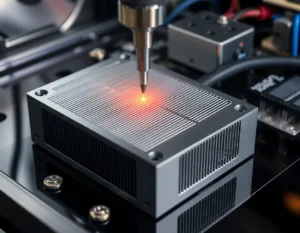
Unlike traditional manufacturing, which relies on expensive molds, dies, and tooling that only become cost-effective over thousands of units, one-off machining is agile and direct. It leverages advanced Computer Numerical Control (CNC) machines—including mills, lathes, and grinders—which are programmed with digital blueprints (CAD models) to sculpt a raw block of material into a finished part with astonishing precision. This process bypasses the tooling stage entirely, making it not only possible but also practical to create a single, high-quality piece.
At its core, one-off machining is a service that democratizes manufacturing. It empowers inventors, engineers, designers, and businesses of all sizes to test, validate, and implement their ideas without the daunting financial commitment of large-scale production. It transforms a digital concept into a tangible, hold-in-your-hand reality, serving as the critical first step in the journey from idea to impact.
The Engine of Innovation: How One-Off Machining Works
The journey of a one-off part from a digital file to a physical object is a symphony of modern technology and skilled engineering. The process is streamlined yet meticulous, ensuring the highest fidelity to the original design.
The Digital Foundation: CAD & CAM
Everything begins with a design. Engineers or designers create a detailed 3D model using Computer-Aided Design (CAD) software. This model defines every dimension, tolerance, and geometric feature of the desired part. This CAD file is then imported into Computer-Aided Manufacturing (CAM) software. Here, the digital model is translated into a set of instructions—known as G-code—that the CNC machine will follow. The CAM programmer defines the toolpaths, selecting the cutting tools, spindle speeds, feed rates, and the sequence of operations needed to machine the part efficiently and accurately.
The Machining Process: Material to Masterpiece
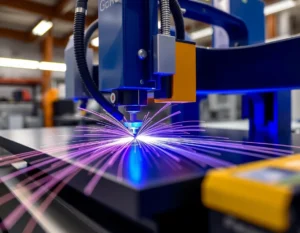
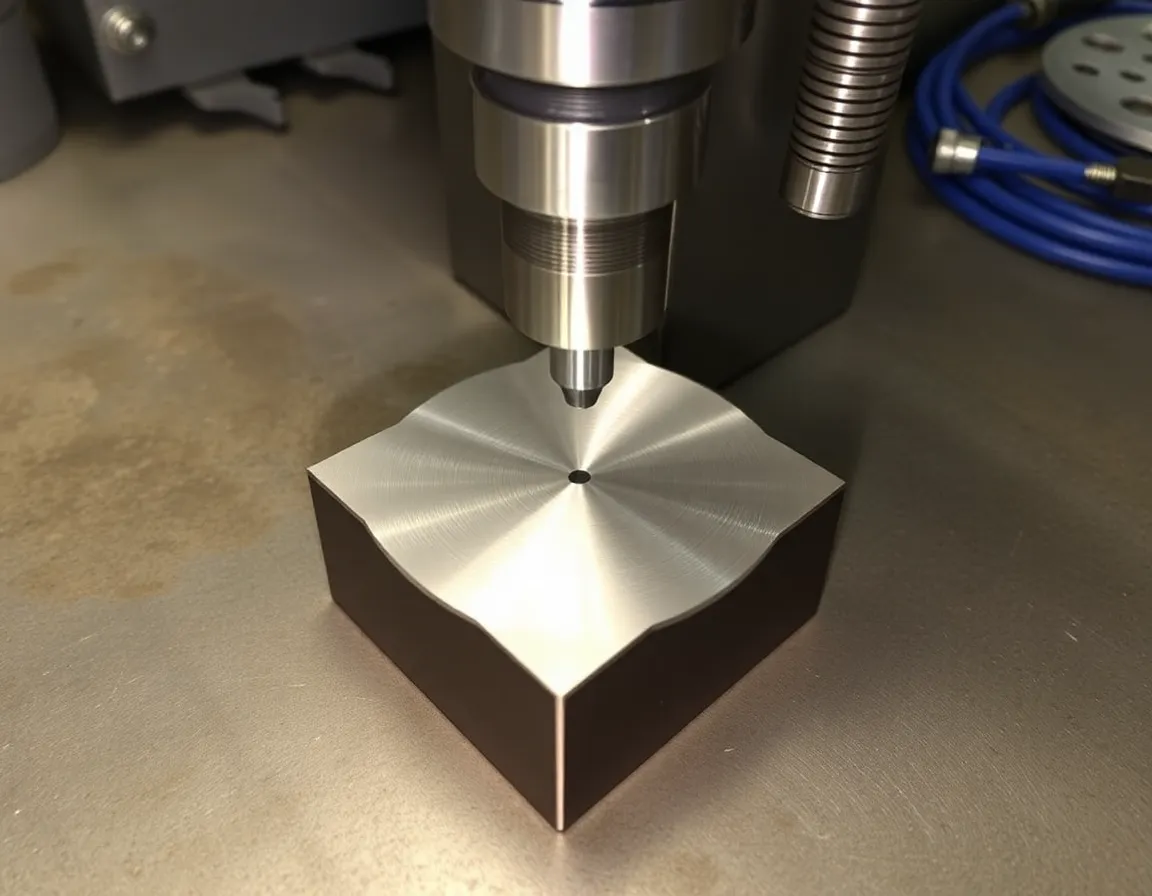
A suitable material is selected—common choices include aluminum, stainless steel, brass, plastics like Delrin or PEEK, and even exotic alloys. A solid block or bar of this material is securely fastened to the CNC machine's bed. The machine then executes its programmed instructions with robotic precision. Cutting tools spin at high speeds, removing material layer by layer, drilling holes, carving contours, and creating threads. For complex parts, the workpiece may be transferred between different machines (e.g., a CNC mill for features and a CNC lathe for turned elements). Throughout the process, the machinist monitors for quality, ensuring every cut meets the stringent specifications.
Finishing and Validation
Once the primary machining is complete, the part may undergo various finishing processes such as deburring (removing sharp edges), sanding, polishing, anodizing, or plating. The final, critical step is inspection. Using tools like coordinate measuring machines (CMM), calipers, and micrometers, the part is rigorously checked against the original CAD model to verify that all dimensions and tolerances are within the required limits. Only after passing this validation is the one-off part ready for delivery.
Why Go Solo? The Compelling Benefits of a Single Part
Choosing one-off machining over other manufacturing methods offers a suite of powerful advantages that are essential in today's fast-paced, innovation-driven landscape.
- Zero Tooling Costs: This is the most significant financial benefit. By eliminating the need for molds, dies, and jigs, you pay only for the programming, material, and machine time required to produce your single part.
- Unmatched Speed and Agility: From a finalized CAD model, a functional part can often be in your hands within days. This rapid turnaround is invaluable for prototyping, allowing for quick design iterations and faster time-to-market for new products.
- Total Design Freedom and Complexity: CNC machining can produce geometries that are impossible with injection molding or casting. Complex internal channels, intricate organic shapes, and extremely tight tolerances are all achievable in a single setup.
- Material Versatility: You are not limited to materials that can be molded or cast. One-off machining can handle a vast library of metals, plastics, and composites, allowing you to select the perfect material for your part's function—be it strength, weight, thermal properties, or biocompatibility.
- Risk Mitigation: Testing a design with a single, precision-machined prototype before committing to mass production tooling can save hundreds of thousands of dollars. It allows you to identify and correct design flaws, test fit and function, and conduct real-world performance testing.
- Solving Obsolescence and Uniqueness: It is the ideal solution for manufacturing a single, hard-to-find replacement part for legacy equipment, or for creating a truly bespoke component for a custom project, from robotics to luxury automotive restorations.
Where Ideas Take Shape: Key Applications of One-Off Machining
The versatility of one-off machining makes it indispensable across a breathtaking array of industries and applications.
- Prototyping & Product Development: The lifeblood of R&D departments. Engineers use one-off parts to create functional prototypes for testing form, fit, and function.
- Aerospace & Defense: Manufacturing flight-worthy prototypes, custom brackets, drone components, and test fixtures where materials and tolerances are critical and volumes are low.
- Medical & Dental: Creating surgical tool prototypes, custom surgical guides, implant trials, and specialized dental components that require biocompatible materials and exceptional surface finishes.
- Automotive & Motorsports: Developing prototype engine components, custom brackets, fluid fittings, and aerodynamic parts for testing and low-volume, high-performance vehicles.
- Research & Scientific Equipment: Fabricating unique components for experimental setups, vacuum chambers, sensor mounts, and lab apparatus that are not available off-the-shelf.
- Industrial Maintenance & Repair: The go-to solution for producing a single, exact replacement part for a broken machine, minimizing costly downtime in manufacturing plants.
- Consumer Products & Design: Enabling designers to create functional prototypes of gadgets, appliances, and hardware, as well as producing limited-edition or high-end custom products.
Best Practices for a Successful One-Off Machining Project
To ensure your one-off machining project is successful, cost-effective, and delivered on time, following these best practices is crucial.
Design for Manufacturability (DFM)
Even with the flexibility of CNC machining, designing with the manufacturing process in mind saves time and money. Consider factors like:
- Internal Sharp Corners: Cutting tools are round, so they cannot create perfectly sharp internal corners. Specify a corner radius that matches a standard tool size.
- Wall Thickness: Extremely thin walls can be fragile and may vibrate or warp during machining. Design with adequate thickness for the chosen material.
- Deep Cavities & Small Holes: These require specialized tools and can increase machining time and cost. Communicate with your machining partner early about such features.
Provide Clear, Complete Documentation
The golden rule is to supply a comprehensive package. This should include:
- A fully detailed 3D CAD file (e.g., STEP, IGES) that is the single source of truth.
- A 2D engineering drawing with critical dimensions, geometric tolerances (GD&T), surface finish requirements, and material specification.
- Clear notes on any non-standard features, post-processing requirements, or intended function of the part.
Choose the Right Partner
Not all machine shops are equally equipped or interested in one-off work. Seek out a partner that:
- Explicitly advertises prototype and low-volume manufacturing services.
- Has a track record in your industry or with similar materials.
- Offers DFM feedback and is willing to collaborate during the quoting process.
- Possesses the necessary inspection equipment to validate the quality of your single part.
Understand the Quote
A one-off machining quote typically includes costs for programming/setup, material, machine time, and any secondary finishing or inspection. While the per-part cost is higher than in mass production, you are paying for agility, expertise, and the elimination of tooling investment. View it as an investment in de-risking and accelerating your project.
In conclusion, one-off machining is far more than a simple manufacturing service; it is a powerful enabler of innovation. It breaks down the barriers between imagination and reality, providing a fast, flexible, and precise pathway to transform a singular idea into a tangible part. Whether you are an inventor taking the first step, an engineer solving a critical problem, or an artist bringing a vision to life, unlocking your idea begins with the power of a single, perfectly crafted component.