In the world of manufacturing, where precision, reliability, and performance are non-negotiable, custom milled parts stand as a cornerstone of modern engineering. Unlike off-the-shelf components, these parts are born from a digital blueprint and meticulously carved from solid blocks of material to meet exact specifications. Whether you're a startup engineer prototyping a groundbreaking device or a procurement manager for a major aerospace firm, understanding the intricacies of custom milling is essential. This comprehensive guide will navigate you through everything you need to know to make informed decisions and source the highest quality machined components for your project.
What Are Custom Milled Parts?
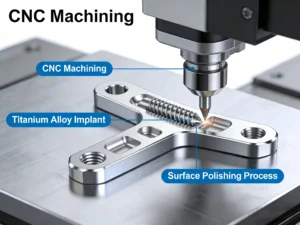
Custom milled parts are components manufactured through a subtractive process known as CNC (Computer Numerical Control) milling. In this process, a computer-controlled machine tool uses rotating cutting tools to selectively remove material from a solid workpiece—known as a blank or billet—until the desired shape is achieved. The "custom" aspect is dictated by a CAD (Computer-Aided Design) model, which is translated into machine instructions (G-code) that guide the cutter's path with extraordinary precision, often within tolerances of thousandths of an inch or less.
This method contrasts sharply with additive manufacturing (like 3D printing) or formative processes (like injection molding). While excellent for prototypes and complex geometries, milling is unparalleled for creating strong, dimensionally accurate, and finely finished parts from a vast array of materials, making it the go-to for functional end-use components.
Key Characteristics of the Milling Process
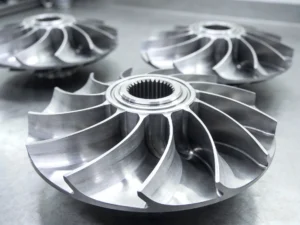
The CNC milling process is defined by several key characteristics. It is highly versatile , capable of producing simple flat surfaces and incredibly complex 3D contours. It is also multi-axis; while 3-axis milling is common, 4-axis and 5-axis machines can manipulate the part from nearly every angle in a single setup, enabling the creation of highly complex geometries. Furthermore, the process offersexceptional repeatability. Once the CNC program is verified, it can produce hundreds or thousands of identical parts with consistent quality.
The Benefits and Applications of Custom Milling
Choosing custom milling offers a suite of advantages that make it indispensable across industries. The benefits directly translate to part performance, project efficiency, and long-term value.
Primary Benefits
Unmatched Precision and Tight Tolerances:CNC milling machines can achieve exceptionally tight tolerances, critical for parts that must fit, function, and interact seamlessly in assemblies.
Material Versatility:Mills can process an enormous range of materials, including metals (aluminum, steel, titanium, brass), plastics (ABS, PEEK, Delrin), composites, and even wood.
Superior Strength and Material Integrity:Since parts are machined from solid blocks, they retain the full strength and grain structure of the base material, unlike layered additive parts.
Excellent Surface Finishes:Milling can produce very fine surface finishes directly off the machine, and can be further refined with secondary operations like polishing or anodizing.
Scalability from Prototype to Production:It is ideal for low to medium-volume production runs, allowing for iterative design changes and on-demand manufacturing without the high cost of custom molds.
Industry Applications
The applications for custom milled parts are virtually limitless. Here are some of the most critical industries that rely on them:
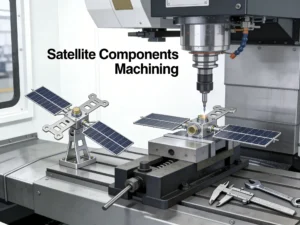
- Aerospace & Defense: Engine components, landing gear parts, brackets, and drone assemblies, where lightweight, high-strength materials like titanium and aluminum are machined to extreme tolerances.
- Medical & Dental:Surgical instruments, implant prototypes, MRI components, and custom dental guides, often requiring biocompatible materials like stainless steel or PEEK and flawless surface finishes.
- Automotive & Motorsports:Cylinder heads, suspension components, custom brackets, and fluid system parts that demand durability, heat resistance, and precision under stress.
- Electronics & Semiconductor:Enclosures, heat sinks, wafer chucks, and test fixtures that require precise dimensions, electrical insulation, or thermal management properties.
- Industrial Machinery:Gears, housings, shafts, and molds that form the backbone of manufacturing equipment, requiring wear resistance and long-term reliability.
A Buyer's Guide: Best Practices for Sourcing
Successfully sourcing custom milled parts requires careful planning and clear communication. Following these best practices will ensure a smooth process, a high-quality outcome, and optimal cost-efficiency.
1. Design for Manufacturability (DFM)
This is the most critical step. A design that looks perfect in CAD may be unnecessarily expensive or difficult to machine. Engage with your milling partner early for a DFM review. Key considerations include:
- Internal Sharp Corners: Cutting tools are round, so they cannot create perfectly sharp internal corners. Specify a radius that matches standard cutter sizes.
- Wall Thickness:Extremely thin walls can vibrate during machining or be too fragile. Ensure walls are thick enough for the chosen material.
- Depth-to-Diameter Ratios:Deep pockets or holes with small diameters require specialized tools and can increase cost and machining time.
- Standardized Features:Use standard drill and thread sizes whenever possible to avoid non-standard tooling.
2. Material Selection
Your choice of material impacts cost, machinability, lead time, and part performance. Consider:
- Functional Requirements: Strength, weight, corrosion resistance, thermal stability, electrical conductivity, and biocompatibility.
- Machinability:Softer materials like aluminum and brass machine quickly and are cost-effective. Harder materials like stainless steel or titanium are stronger but wear tools faster and take longer to machine, increasing cost.
- Cost vs. Performance:Balance the material cost against the required performance. Sometimes a more expensive material that machines easily can be more economical than a cheaper, harder-to-machine alternative.
3. Choosing the Right Manufacturing Partner
Not all machine shops are created equal. Vet potential partners thoroughly:
- Capabilities & Equipment: Do they have the right machine tools (e.g., 5-axis for complex parts)? Can they handle your material and tolerance requirements?
- Quality Assurance:Inquire about their quality control processes. Do they have in-house CMM (Coordinate Measuring Machine) inspection, and can they provide inspection reports (e.g., AS9102 FAIs)?
- Communication & Expertise:A good partner will offer proactive DFM feedback and communicate clearly about timelines and challenges.
- Certifications:For regulated industries (aerospace, medical), ensure they hold relevant certifications like ISO 9001, AS9100, or ISO 13485.
4. Understanding Tolerances and Finishes
Specify only the tolerances that are critical for your part's function. Tighter tolerances exponentially increase machining time, cost, and inspection requirements. Similarly, define your surface finish requirements clearly (e.g., "125 µin Ra" or "as-machined"). Unnecessarily fine finishes can be a significant cost driver.
From Quote to Delivery: The Procurement Process
Understanding the typical workflow will help you manage expectations and timelines effectively.
Step 1: Request for Quotation (RFQ)
Provide the machine shop with a complete package: detailed CAD files (STEP or IGES are preferred), 2D drawings with critical dimensions and tolerances, material specifications, quantity, and any applicable industry standards.
Step 2: Review and DFM Feedback
A reputable shop will analyze your design and may suggest modifications to improve manufacturability and reduce cost without compromising function. Review this feedback carefully.
Step 3: Quotation and Lead Time
The quote will detail part cost, setup/NRE (Non-Recurring Engineering) costs, and estimated lead time. Lead time includes programming, setup, machining, and any secondary operations or inspections.
Step 4: Production and Quality Control
Upon order placement, the shop will program the machines, set up the job, and begin production. First-article inspection is often conducted to validate the process before full production runs.
Step 5: Delivery and Support
Parts are delivered with necessary documentation. A good partner will follow up to ensure the parts meet your expectations and are available for future runs or modifications.
By investing time in design optimization, selecting the appropriate materials, and partnering with a capable and communicative machine shop, you can leverage the full power of custom milling. The result will be precision components that elevate your product's performance, reliability, and success in the market. In an era of customization and innovation, custom milled parts remain an essential, enabling technology for turning visionary designs into tangible reality.