In the world of custom mechanical keyboards, the switch is the soul, the keycap is the personality, but the case is the foundation. It’s the chassis that holds your vision together, influencing not just aesthetics but the very sound, feel, and heft of your typing experience. Choosing the right case material is one of the most critical decisions in your build, transforming a collection of parts into a cohesive instrument. This guide will delve into the most popular case materials, comparing their characteristics to help you craft the keyboard of your dreams.
The Foundation of Feel and Sound
Before diving into materials, it's essential to understand why the case matters so much. The case acts as a resonance chamber. When a switch actuates, vibrations travel through the PCB and plate into the case. The material's density, rigidity, and internal structure absorb or reflect these sound waves, defining the board's acoustic signature—be it a sharp clack, a deep thock, or a muted whisper. Furthermore, the material's weight and stiffness directly impact typing feel, contributing to a sense of stability or flexibility. A well-chosen case elevates the entire build from functional to phenomenal.
Material Deep Dive: The Contenders
The landscape of case materials is rich, each offering a unique blend of properties. We'll compare the most common options: aluminum, polycarbonate, brass, and emerging favorites like FR4 and wood.
Aluminum: The Modern Standard
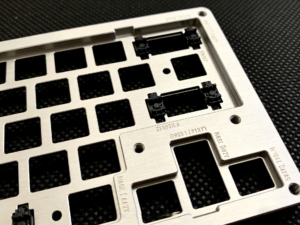
Aluminum is the undisputed king of the custom keyboard scene, favored for its excellent balance of properties. It is typically used in CNC-machined cases, allowing for incredibly precise tolerances and complex, sleek designs.
Characteristics & Benefits:
- Sound Profile: Produces a crisp, clean, and relatively bright sound. It offers a clear "clack" or higher-pitched "thock" depending on other components. Its rigidity provides a consistent acoustic response.
- Feel & Weight: Imparts a solid, premium, and substantial feel. Aluminum cases are heavy, anchoring your keyboard firmly to the desk and eliminating any flex during aggressive typing.
- Aesthetics & Build: Offers a premium, minimalist, or industrial look. Anodization allows for a vast array of vibrant, durable colors, while sandblasting creates a soft, matte finish. CNC machining enables intricate designs.
- Drawbacks: Can be expensive due to material and machining costs. It is a good conductor of sound, so switch noise can be pronounced without proper internal damping. The hard surface can sometimes lead to a "harsher" sound compared to softer materials.
Best For: Enthusiasts seeking a premium, heavy, and solid typing experience with a clear, defined sound. Ideal for those who value a wide range of color options and design complexity.
Polycarbonate (PC): The Acoustic Artist
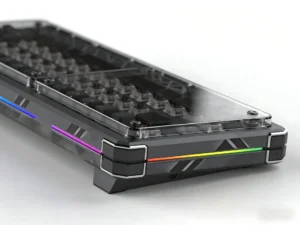
Polycarbonate, a transparent or translucent thermoplastic, has surged in popularity for its unique acoustic properties. It's often used in injection-molded or CNC-machined cases.
Characteristics & Benefits:
- Sound Profile: Known for producing a deeper, mellower, and "thockier" sound. The plastic absorbs higher frequencies, resulting in a more rounded and pleasant acoustic profile that many find less fatiguing.
- Feel & Weight: Generally lighter than aluminum. It can have a slight amount of flex, which some users feel gives a more "lively" or forgiving typing sensation. The translucent nature allows for stunning RGB underglow effects.
- Aesthetics & Build: Offers a unique, often "creamy" or smoky aesthetic. It can showcase internal components like RGB strips or custom badges. Molding allows for complex shapes at a lower cost than metal CNC.
- Drawbacks: More prone to scratching than anodized aluminum. Can develop a yellowish tint (yellowing) over time if exposed to UV light without stabilizers. May feel less "premium" to those who prefer the heft of metal.
Best For: Builders prioritizing a deep, thocky sound signature and those who love the aesthetic of underglow lighting. A great choice for a slightly more forgiving, "bouncier" feel.
Brass: The Niche Weight Class
Brass is a premium, high-density metal used for full cases or, more commonly, as a weight or accent piece in aluminum cases. A full brass case is a statement of luxury and performance.
Characteristics & Benefits:
- Sound Profile: Creates an exceptionally bright, sharp, and high-pitched sound. It is incredibly resonant, leading to a loud and clear acoustic signature that is unmistakable.
- Feel & Weight: Extremely heavy, providing unparalleled desk stability. The typing feel is supremely solid and rigid, with zero flex. It develops a natural patina over time, which some enthusiasts cherish.
- Aesthetics & Build: Offers a gorgeous, warm, golden aesthetic that exudes luxury. Often used as a contrasting bottom weight or badge to elevate an aluminum design.
- Drawbacks: Very expensive and heavy (which can be a pro or con). The bright sound can be too sharp or loud for some environments (like offices). Requires maintenance to prevent tarnishing if you prefer the shiny look.
Best For: The connoisseur seeking the ultimate in weight, rigidity, and a bright, metallic acoustic profile. Often used for top-tier, no-expense-spared "endgame" builds.
Other Notable Materials
FR4 (Glass-Reinforced Epoxy): Popular for plates, FR4 is now used for cases. It offers a sound profile between aluminum and polycarbonate—poppy and clacky but slightly rounded. It's lightweight, rigid, and provides a distinct, pleasant acoustic.
Wood (Walnut, Oak, etc.): Offers a warm, organic, and unique aesthetic. Acoustically, it tends to create a very warm, muted, and soft sound, absorbing a lot of vibration. Durability and consistency can vary, and it requires careful craftsmanship.
Acrylic: Often used in stacked or layered cases. It's similar to polycarbonate but more brittle and prone to cracking. Excellent for showcasing layers and lighting at a lower cost.
Crafting Your Decision: A Practical Guide
Choosing your ideal case material isn't just about picking the "best" one; it's about matching material properties to your personal preferences and use case.
Prioritizing Your Preferences
Ask yourself these key questions:
- Sound: Do I want a bright clack, a deep thock, or a muted silence?
- Feel: Do I prefer a heavy, immovable slab or a lighter, slightly flexible board?
- Aesthetics: Am I drawn to minimalist metal, translucent glow, or natural wood?
- Budget: What is my budget? Aluminum and PC are common in mid-range to high-end, while brass is a luxury.
- Environment: Will this be used in a quiet office, a home office, or a private space where noise is no concern?
The Synergy of Components
Remember, the case does not work in isolation. It's part of an ecosystem:
- Plate Material: A brass plate will make a keyboard brighter and stiffer, while a polycarbonate plate will soften and deepen the sound, interacting with the case's base profile.
- Switches: Linear switches (like reds) will showcase the case's acoustics clearly. Tactile switches add their own bump sound, and clicky switches will dominate the audio regardless of case.
- Damping: Case foam, PCB foam, and plate foam are used extensively to modify the sound of any material, softening harsh frequencies and reducing empty case echo. A well-damped aluminum case can sound surprisingly deep.
Best Practice: Watch and listen to sound tests of boards with your target case material, but pay attention to the other components listed. This gives you the most accurate preview.
Conclusion: Building Your Acoustic Identity
The journey to your dream keyboard is a personal exploration of sensory preferences. The case material is the cornerstone of that journey. Aluminum offers a premium, solid, and bright foundation. Polycarbonate provides a deep, thocky, and visually unique alternative. Brass is the uncompromising choice for maximum weight and acoustic sharpness, while materials like FR4 and wood offer distinctive middle paths.
There is no single "best" material—only the best material for you. By understanding how each one shapes the sound, feel, and look of your build, you move from simply assembling parts to intentionally crafting an instrument that reflects your individuality. Start with your priority—be it sound, aesthetics, or feel—and let that guide your choice. Your perfect typing experience awaits, built from the case up.